-
by sayum
28 August 2026 2:11 PM








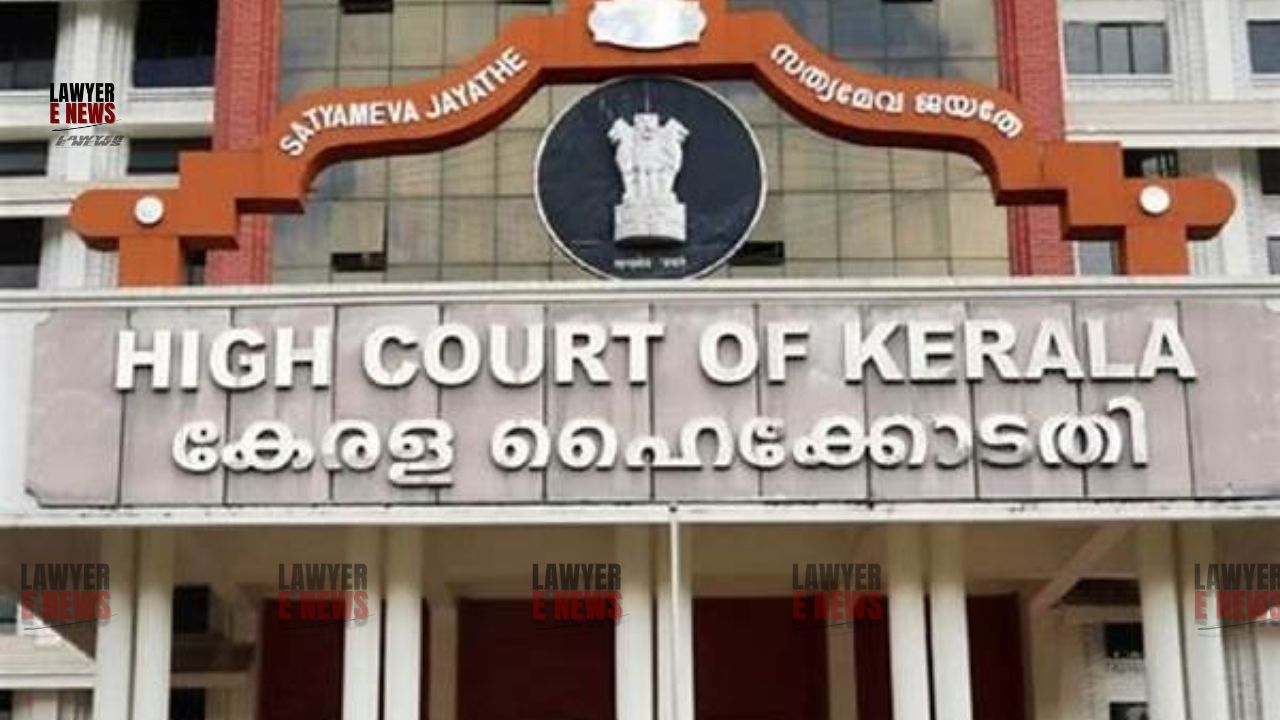
"A simple termination order that reflects dissatisfaction with a probationer’s conduct is not stigmatic, even if a disciplinary inquiry precedes it" — Calcutta High Court in a significant judgment dismissed two writ petitions filed by Rounak Bandyopadhyay, a former Manager (Technical) in Energy Efficiency Services Ltd. (EESL), a public sector undertaking under the Ministry of Power, challenging both the disciplinary inquiry and his subsequent termination from service.
Justice Rai Chattopadhyay ruled that since the petitioner was on probation, his termination did not require strict adherence to Article 311(2) of the Constitution unless it was stigmatic or punitive in nature — which the Court held it was not.
"Even During Inquiry, Termination Can Be Non-Stigmatic if Based on General Unsuitability" — Court Applies SC Precedent in Rajasthan HC v. Ved Priya
The petitioner was appointed on August 4, 2016, and placed on one-year probation. The dispute arose in May 2017, when he was suspended following allegations of financial misconduct and abuse of authority, including misappropriation of ₹11.5 crores, unauthorized private trade, and illegal sale of company assets.
Despite facing disciplinary proceedings, the petitioner was terminated on December 8, 2017, via an order citing unsatisfactory conduct and lack of integrity, but without referring to any specific imputation of charges. The Court held that such language did not amount to stigma, and therefore did not necessitate a full-fledged inquiry under Article 311.
Relying on the Supreme Court's ruling in Rajasthan High Court v. Ved Priya, (2021) 13 SCC 151, the Court reiterated:
“The entire objective of probation is to provide the employer an opportunity to evaluate the probationer’s performance… Termination based on general unsuitability does not invite constitutional protection unless it is founded on specific misconduct.”
“A Termination Order That Merely Reflects Unsuitability Is Not Punitive” — Article 311 Not Attracted in Absence of Stigma
The petitioner’s counsel, Mr. Saptarshi Roy, had argued that the termination was punitive, alleging:
Incompetency of the officers who issued the suspension and termination orders;
Violation of principles of natural justice in the disciplinary proceedings;
And stigmatic nature of the termination order during an ongoing writ petition.
He claimed the disciplinary process violated the NTPC CDA Rules, 1977, which governed EESL’s disciplinary matters, and emphasized that the officer issuing the suspension (AGM HR) was not of competent rank, as only a General Manager or Executive Director could issue such orders under the Schedule of Delegation of Powers.
The Court, however, disagreed and made a critical legal distinction:
“A termination order which explicitly tells what is implicit in every probationer’s termination is not stigmatic… There must be specific imputation of charges in the order to render it punitive or stigmatic.”
Referencing State of Punjab v. Jaswant Singh, (2023) 9 SCC 150 and Pavanendra Narayan Verma v. Sanjay Gandhi PGI, (2002) 1 SCC 520, the Court held:
“Termination of a probationer based on general dissatisfaction, even after an inquiry, does not attract Article 311 protections unless it is clearly punitive or stigmatic.”
"No Mala Fide or Procedural Illegality Proven" — Court Finds Employer Acted Fairly Despite Alleged Defects
The Court examined whether the suspension and termination were vitiated by lack of authority. It noted:
The AGM (HR) who issued the orders was competent under the rules, as per Serial No.1 of the Delegation of Powers for Grade E3 employees.
The petitioner’s charge sheet, dated June 15, 2017, and the inquiry process followed reasonable procedural fairness, including notice and opportunity to respond.
Justice Chattopadhyay emphasized:
“Fairness in the process would eradicate any possibility of challenges… No mala fide or serious procedural violation has been established.”
The Court also rejected the argument that the termination was cloaked as non-confirmation of probation, stating that even if a disciplinary inquiry took place, the foundation — not the form — of the termination determines whether it is punitive.
Disciplinary Inquiry Does Not Automatically Make Termination Punitive for Probationers
Addressing the nuanced point of law that initiation of inquiry during probation does not itself make a termination stigmatic, the Court relied on the landmark SC decision in Bishan Lal v. State of Haryana, (1978) 1 SCC 202, holding:
“Probationers can be terminated based on suitability; even when an inquiry is conducted, unless the termination order refers to guilt or misconduct, it remains non-punitive.”
In this case, the termination letter merely cited lack of integrity and devotion to duty, without elaborating on the inquiry’s findings. The Court clarified:
“There is no material on record to show the order damaged the petitioner’s reputation or career prospects.”
Judicial Interference in Probationary Termination Must Be Limited — Writ Petitions Dismissed
Reiterating judicial restraint in matters involving probationers, the Court noted:
The petitioner was provided opportunities to respond.
Two independent committees (Internal Complaint and Finance Committees) conducted fact-finding inquiries.
The petitioner participated initially in the disciplinary proceedings and responded to the charge sheet.
Thus, the principle of fairness was met, even if every procedural formality was not followed to the letter.
The Court concluded:
“No illegality or impropriety in the termination order dated December 8, 2017… Petitioner was on probation, and the order was not stigmatic or punitive.”
"A Probationer's Unsuitability Can Be a Just Ground for Termination Without Invoking Article 311"
This judgment clarifies an important area of service law: that disciplinary action initiated during probation does not elevate a termination to punitive status, unless specific allegations of misconduct form the basis of the final order. Employers in the public sector are thus not barred from terminating probationers, provided procedural fairness is respected and termination does not impose stigma.
Date of Decision: 22nd September 2025