-
by sayum
15 August 2026 10:03 AM







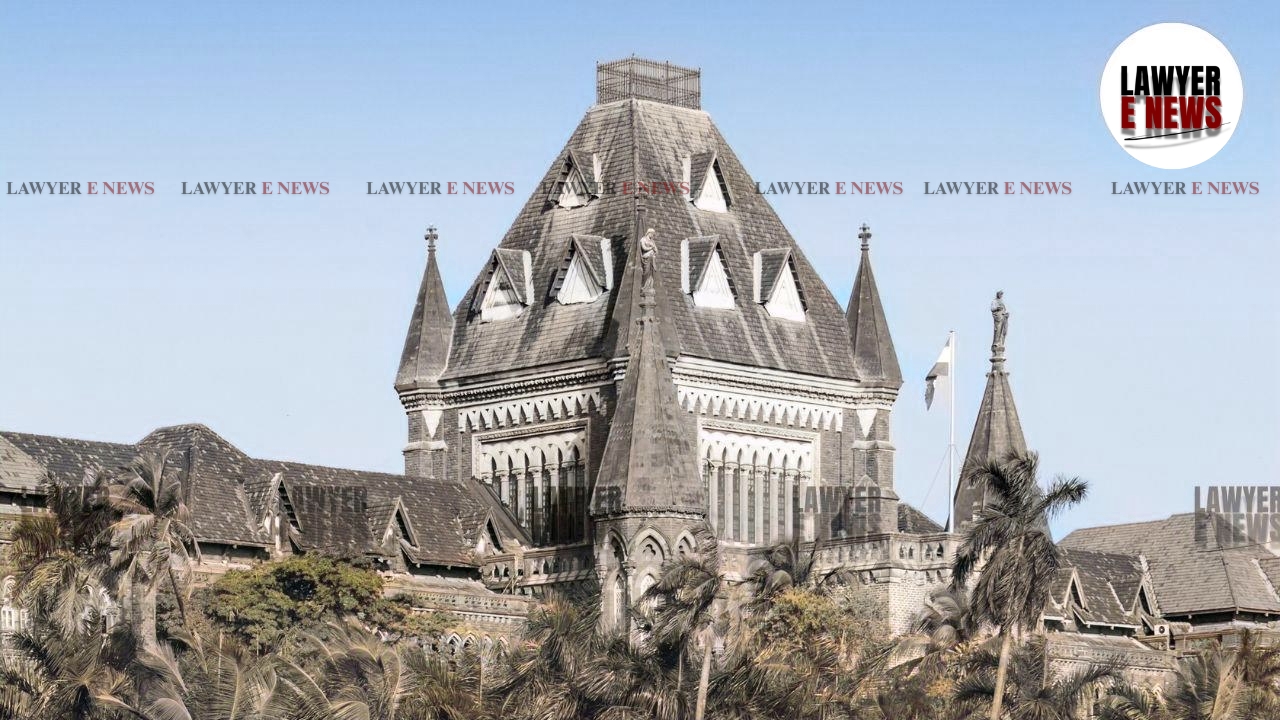
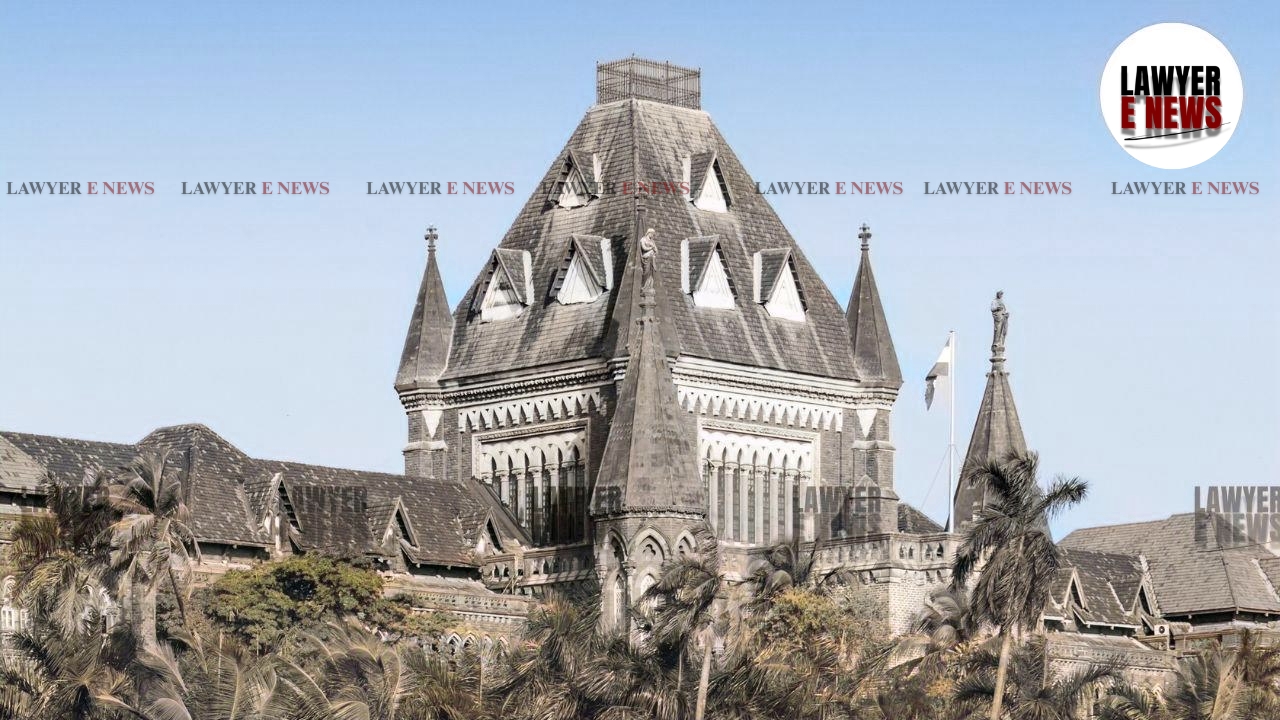
"In a Section 6 suit, the foundation is prior possession and later dispossession otherwise than in due course of law, whereas in a licensor-licensee possession dispute, the foundation is the right flowing from such relationship." Bombay High Court, in a significant ruling, held that a suit instituted under Section 6 of the Specific Relief Act, 1963, for restoration of possession does not fall within the exclusive jurisdiction of the Court of Small Causes under Section 41 of the Presidency Small Causes Courts Act, 1882.
A single-judge bench of Justice Farhan P. Dubash observed that a "suit under Section 6 stands on a limited and distinct footing" where the "status of the parties is not determinative," and remanded the matter to the regular civil court for adjudication.
The appellant company was inducted into commercial premises in Worli pursuant to Leave and License Agreements executed in October 2017. Alleging forcible dispossession by the owners in October 2018, the appellant filed a suit before the City Civil Court under Section 6 of the Specific Relief Act seeking restoration of possession. The Trial Court directed the return of the plaint, holding that the dispute arose between a licensor and licensee and thus exclusively fell within the jurisdiction of the Court of Small Causes, prompting the present appeal.
The primary question before the court was whether a suit for restoration of possession, explicitly framed under Section 6 of the Specific Relief Act, falls within the exclusive jurisdiction of the Court of Small Causes under Section 41 of the Presidency Small Causes Courts Act merely because the parties originally shared a licensor-licensee relationship. The court was also called upon to determine whether the Trial Court erred in returning the plaint under Order VII Rule 10 of the Code of Civil Procedure instead of rejecting it under Order VII Rule 11(d).
Status Of Parties Irrelevant In Section 6 Suit
Analyzing the scope of the statutory remedy, the High Court emphasized that Section 6 of the Specific Relief Act embodies a salutary principle that no person can take the law into his own hands. The court noted that such a remedy is summary in nature, where the judicial inquiry is strictly confined to prior possession and subsequent illegal dispossession within six months preceding the suit. The court clarified that questions relating to title or better rights to possession are expressly excluded from this limited scope of inquiry.
"The status of the parties is not determinative in such a suit. What is material is the prior possession and dispossession otherwise than in due course of law."
Foundation Of The Plaint Determines Jurisdiction
The court observed that the Trial Court proceeded on the incorrect legal premise that every dispute relating to possession between an admitted licensor and licensee must necessarily fall under Section 41 of the Presidency Small Causes Courts Act. It underscored that the appellant was not seeking to enforce contractual rights flowing from the Leave and License Agreements or to protect a continuing license. Instead, the suit was firmly rooted in the allegation of forcible dispossession contrary to the due process of law.
"The existence of such agreements, by itself, cannot alter the dominant nature of the suit when the relief is founded on alleged dispossession under Section 6 of the Specific Relief Act."
Supreme Court Precedents Affirm Distinction Placing heavy reliance on the Supreme Court's decision in Mansukhlal Dhanraj Jain v. Eknath Vithal Ogale, the bench reiterated that Section 6 gives a summary remedy without reference to the title of the parties. The High Court rejected the respondents' reliance on various precedents, including Nagin Mansukhlal Dagli v. Haribhai Manibhai Patel, noting that those cases applied to disputes substantially focused on the recovery of possession on the basis of a licensor-licensee relationship. The bench affirmed the ratio laid down in Faijulbee Hajeel v. Yadali Amir Shaikh Ansari, confirming that the civil court retains jurisdiction over summary actions founded solely upon prior possession.
Cross-Objections For Rejection Of Plaint Dismissed Addressing the cross-objections filed by the respondents, who sought the rejection of the plaint under Order VII Rule 11(d) of the Civil Procedure Code, the High Court held that such a statutory bar was not made out. Since the suit, as framed, was maintainable before the City Civil Court under Section 6 of the Specific Relief Act, the question of rejecting the plaint as barred by law did not arise. The court clarified that it was not delving into the actual merits of the dispossession claims at this stage.
"Once it is held that the City Civil Court possesses jurisdiction to entertain the instant suit as framed, the Cross Objections preferred by the Respondents seeking rejection of the plaint under Order VII Rule 11(d) of the Code necessarily fail."
The High Court allowed the appeal and set aside the Trial Court's order returning the plaint. The civil suit was directed to be restored to the file of the City Civil Court at Mumbai to proceed from the stage prior to the impugned order, while the cross-objections were dismissed. The ad-interim protection granted to the appellant was extended for a period of six weeks to allow the parties to appear before the Trial Court.
Date of Decision: 14 July 2026