-
by sayum
15 August 2026 5:59 AM








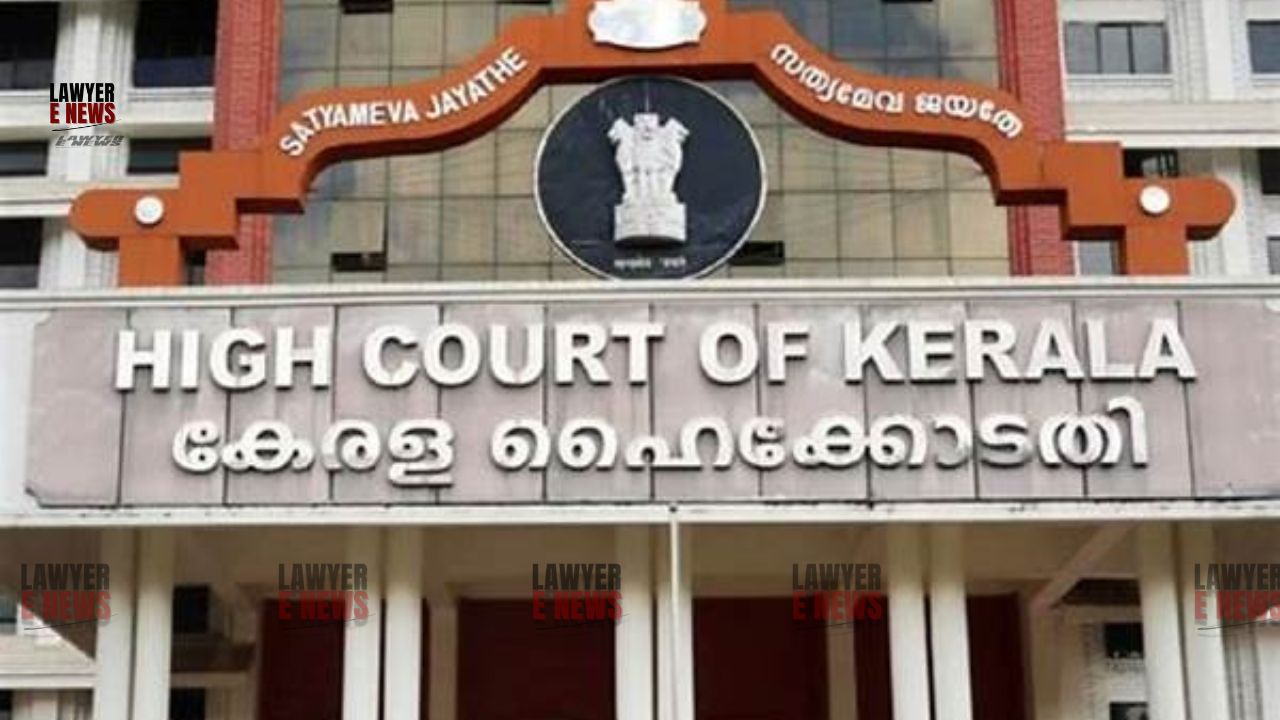
"In view of the subsequent events, the property directed to be returned is no longer available with the defendants, since it has already been sold in court auction. As such, nothin g survives to be executed in the decree as it stands now." Kerala High Court, in a judgment, held that a trial court decree directing the return of an industrial unit and discharge of bank liabilities becomes inexecutable when the underlying property is subsequently sold in a court auction.
A single bench of Justice T.R. Ravi observed that subsequent developments altering the status of the suit property render the original reliefs infructuous, warranting the setting aside of the trial court's directions.
The dispute arose out of a civil suit filed by the plaintiff seeking a decree to direct the defendants to pay off an entire loan debt owed to the Malappuram District Co-operative Bank Limited. The plaintiff had originally established a factory by availing a loan from the bank, with the defendants standing as sureties and mortgaging their properties. When the plaintiff faced default, an arrangement was entered into allowing the defendants to take over and operate the factory to liquidate the bank liabilities from the profits earned.
The primary question before the high court was whether a decree directing the operation and return of a factory unit remains executable when the property has changed hands through subsequent auction proceedings. The appellate court was also called upon to evaluate the impact of third-party court auctions on inter-se contractual agreements between principal debtors and sureties.
Trial Court Decreed Suit In Part
The trial court had partly decreed the suit by directing the defendants to discharge the bank liability and return the factory known as "Sreedevi Chemicals" to the plaintiff, relying on an earlier agreement recorded by the high court. The remaining monetary prayers sought by the plaintiff were explicitly disallowed. While the plaintiff accepted the dismissal of the other prayers by not filing any appeal, the defendants approached the high court challenging the mandatory direction to return the factory.
Subsequent Events Altered Subject Matter
During the appellate proceedings, the plaintiff brought to the notice of the court that the properties in question had already been sold in auction for the settlement of dues to the Malappuram District Co-operative Bank Limited. It was revealed that the property was initially purchased in auction by the brother of the first appellant, who subsequently alienated it to a third party through a registered sale deed executed by the first appellant acting as a power of attorney holder.
Court Notes Inexecutability Of Decree
The bench directed the counsel for the appellant to obtain specific instructions regarding these subsequent developments. Upon receiving no contra instructions from the appellants confirming the alienation of the property, the court evaluated the legal consequence of the changed circumstances. The bench noted that since the property directed to be returned was no longer available with the defendants, the substratum of the decree had vanished.
"As such, nothing survives to be executed in the decree as it stands now," the court recorded while emphasizing the practical impossibility of enforcing the trial court's mandate.
Appellate Interference And Final Directions
Consequently, the high court disposed of the regular first appeal by setting aside the specific directions requiring the defendants to discharge the bank liability and return the factory to the plaintiff. The court clarified, however, that the judgment and its findings would not in any manner prejudice or bind the Malappuram District Co-operative Bank Limited, given that the lending institution was not impleaded as a party to the ongoing litigation.
The Kerala High Court disposed of the appeal by setting aside the trial court's direction for the discharge of bank liabilities and the return of the factory, taking cognisance of the fact that intervening court auction sales had rendered the decree completely inexecutable. The ruling underscores the principle that appellate courts must take judicial notice of subsequent events that radically alter the subject matter of a civil dispute.
Date of Decision: 31 July 2026