-
by sayum
26 October 2026 4:04 PM







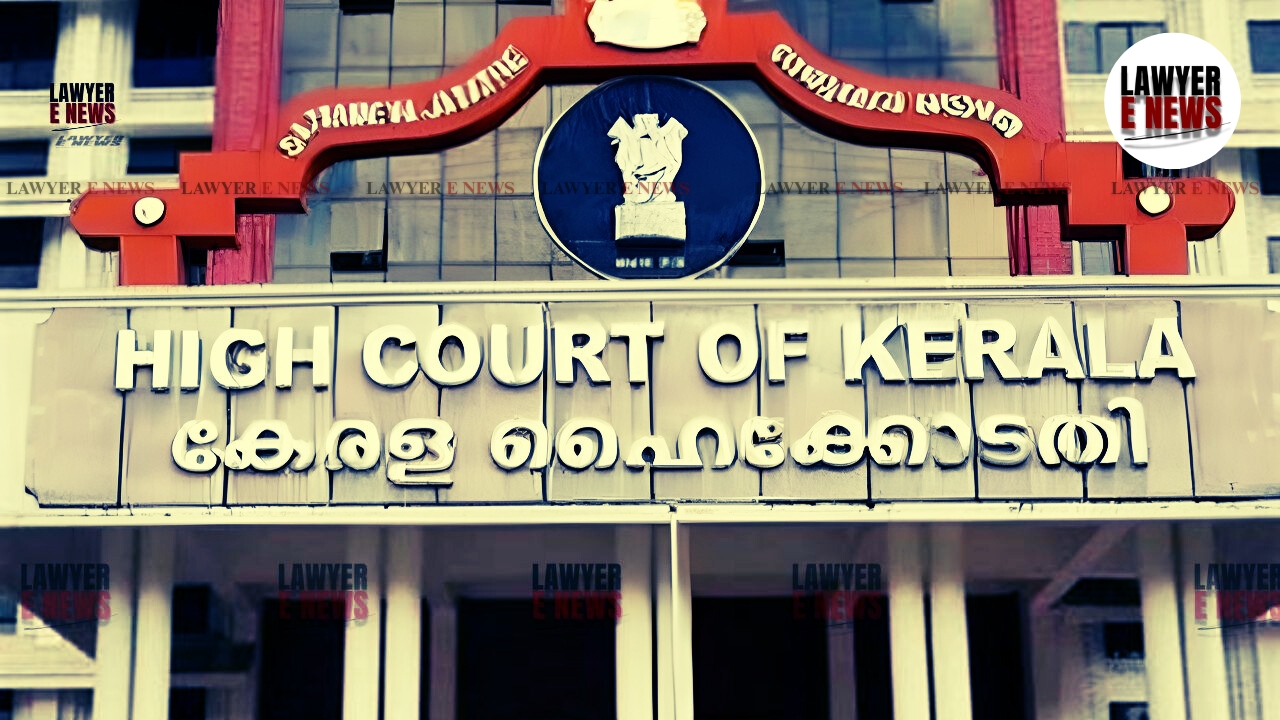
"The mere preference of a party for a particular mode of recording of evidence cannot curtail the discretion of the Judge. The contention that the witness was giving a tutored version does not, by itself, confer on the accused a right to insist upon the question-and-answer form." Kerala High Court, in a significant ruling dated September 29, 2026, held that the recording of evidence in narrative form is the statutory rule under Section 311 of the Bharatiya Nagarik Suraksha Sanhita (BNSS), and the discretion to switch to a question-and-answer format rests solely with the presiding judge.
A bench led by Justice C.S. Dias observed that "the mere preference of a party for a particular mode of recording of evidence cannot curtail the discretion of the Judge," while dismissing a plea by accused persons seeking to transfer their trial and challenge a refusal to record evidence in a specific format.
The petitioners are the accused in S.C. No. 596 of 2018, currently pending before the Additional Sessions Judge-III, Thalassery, concerning the 2018 murder of one Shuhaib. During the chief-examination of PW2, the defense counsel insisted that evidence be recorded in a question-and-answer format under Section 311 of the BNSS, alleging that the witness was "tutored." Upon the trial court's refusal to accede to this request and subsequent procedural friction, the accused moved the High Court seeking a transfer of the trial and a setting aside of the order denying the requested recording format.
The primary questions before the court were whether the refusal of the trial judge to record evidence in a question-and-answer format was legally erroneous and whether the allegations of bias necessitated the transfer of the criminal trial to another court. The court was also tasked with determining the extent of the discretionary power vested in a presiding judge under Section 311 of the BNSS.
Discretion under Section 311 BNSS
The Court clarified that under Section 311(2) of the BNSS, the ordinary mode of recording evidence is the narrative form. While the presiding judge possesses wide judicial discretion to opt for a question-and-answer format, this power must be exercised based on relevant considerations and not at the whim of the litigants. The Court noted that any concerns regarding a "tutored" witness could be adequately addressed through rigorous cross-examination.
"The above provision undoubtedly establishes that the ordinary rule is to record the evidence in the narrative form. Although the discretion conferred on the Presiding Judge is undoubtedly wide, it is a judicial discretion and must necessarily be exercised on relevant considerations and in furtherance of a fair trial."
No Justification for Transfer
The High Court held that neither an erroneous order nor the frustration of a party constitutes sufficient grounds for the transfer of a criminal trial. Citing the principle that the apprehension of bias must be "reasonable, genuine, and justifiable," the Court noted that the cancellation of bail bonds had already been rectified by the High Court in a separate proceeding, thereby addressing the core of the petitioners' grievance.
"It is well-nigh settled that merely because a court has passed an erroneous order, the same is not a ground to order the transfer of a case. The test to transfer proceedings is not whether the impugned orders are correct in law, but whether, having regard to the totality of the circumstances, the apprehension that a fair and impartial trial may not be had is reasonable, genuine and justifiable."
Judicial Decorum and Neutrality
While ruling against the transfer, the Court emphasized the "delicate balance" required of a judge. Justice Dias cautioned that while a judge must be an active participant to elicit truth, they must refrain from "motivating" witnesses, as such actions could create an appearance of partiality. The Court directed the trial judge to ensure both sides are given an effective opportunity to participate, including the possibility of suo motu reopening evidence for cross-examination if necessary.
"The Court should refrain from motivating any witness, because it would naturally send a wrong message to the accused that the court is against them. Judges must deal with cases in accordance with the fourfold principles of Socrates, so that such unnecessary situations can be averted."
The High Court dismissed both the transfer petition and the criminal miscellaneous case, finding no legal infirmity in the trial court's procedure or grounds for bias. The court directed the trial to proceed with expedition, urging both the Bench and the Bar to resolve their differences to ensure the trial's completion.
Date of Decision: 29 September 2026