-
by sayum
26 October 2026 4:04 PM







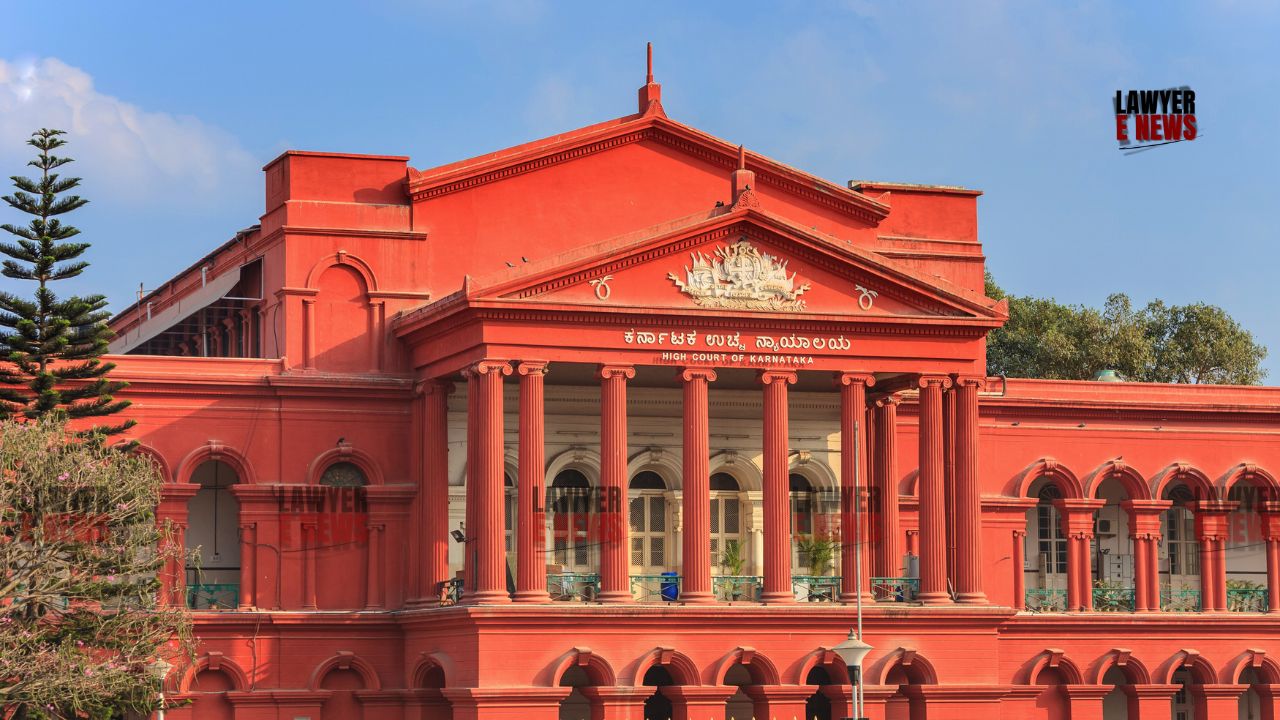
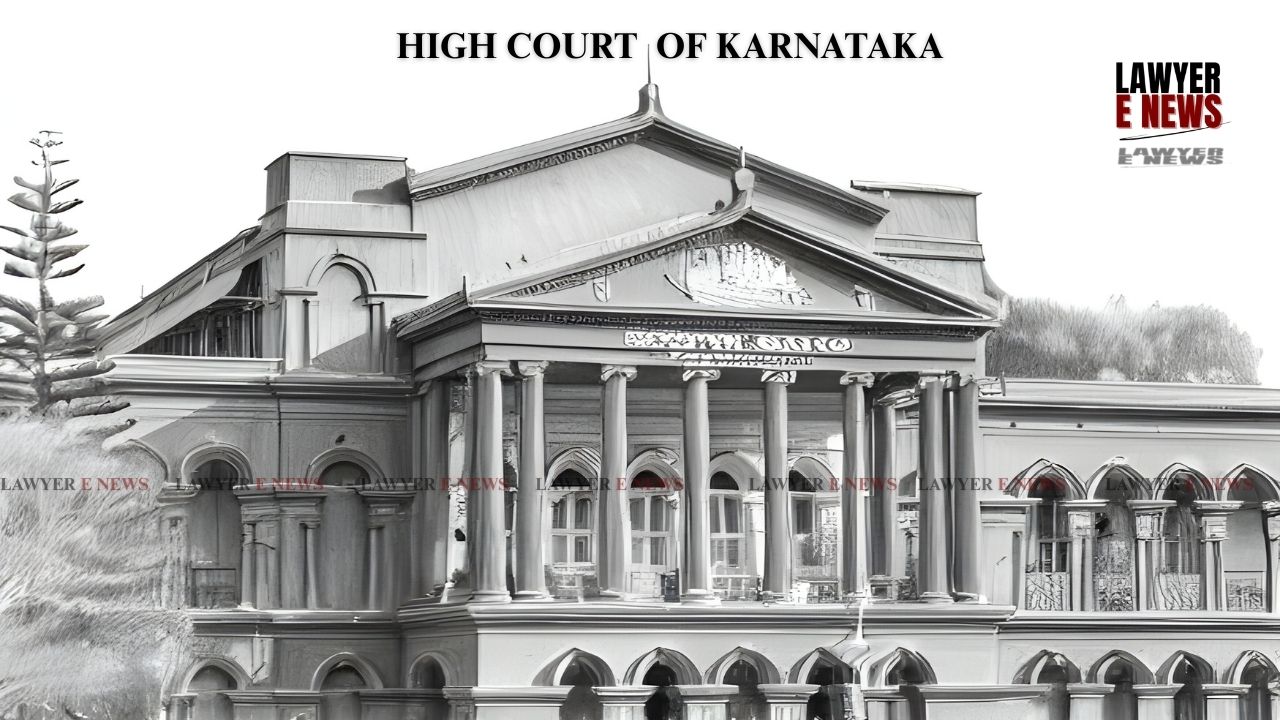
"Permanent alimony was not granted to petitioner No.1 only because she failed to establish the financial capability and status of the respondent/husband. Therefore, this Court is of the view that Family Court ought not to have rejected her claim for maintenance in the proceedings initiated by her under Section 125 Cr.P.C." Karnataka High Court, in a significant ruling dated August 24, 2026, held that a wife is not barred from seeking maintenance under Section 125 of the Code of Criminal Procedure (CrPC) merely because her previous prayer for permanent alimony in a matrimonial dissolution suit was rejected.
A single bench of Dr. Justice Chillakur Sumalatha observed that the denial of alimony in divorce proceedings due to a failure to prove the husband's financial status does not equate to a finding that the wife is disentitled to support.
The petitioners—a wife and her minor son—had filed a petition under Section 125 CrPC seeking maintenance from the respondent-husband. The Family Court in Hubballi granted maintenance of Rs. 5,000 per month to the son but dismissed the wife’s claim, citing that her earlier request for permanent alimony in a divorce decree had been rejected and that, being an M.A. graduate, she was capable of earning her own livelihood. The wife subsequently challenged this order in the High Court.
The court was primarily called upon to determine whether the rejection of a permanent alimony claim in a matrimonial suit acts as res judicata or a legal bar to subsequent maintenance claims under Section 125 CrPC. The court also addressed the relevance of a spouse’s educational qualifications in determining their entitlement to maintenance.
Educational Qualification Is Not A Bar To Maintenance
The court clarified that possessing an academic degree does not automatically disqualify a dependent spouse from claiming maintenance. The bench noted that while the wife holds an M.A. degree, it was not the respondent’s case that she was currently employed or financially independent. The court held that the mere potential to earn does not satisfy the statutory requirement for maintenance support when the wife has no actual source of livelihood.
Distinguishing Alimony And Maintenance
The court meticulously distinguished between the rejection of a lump-sum permanent alimony claim and the right to monthly maintenance. It observed that the Family Court had rejected the permanent alimony claim solely because the wife failed to lead evidence regarding the husband's income at that time. Such a procedural failure to prove financial status in a matrimonial suit cannot be used to permanently extinguish the wife's right to seek sustenance under the protective umbrella of Section 125 CrPC.
No Absolute Right To Disentitlement
"Only because she holds M.A. degree, maintenance cannot be denied to her."
The High Court emphasized that the purpose of Section 125 CrPC is to prevent vagrancy and destitution. By rejecting the claim based on the outcome of a separate divorce proceeding, the Family Court had failed to fulfill the legislative intent of the provision. The bench further noted that the respondent's plea regarding his own financial obligations—supporting his parents and brother—could not entirely absolve him of his duty to maintain his wife, especially when no evidence was produced to substantiate the alleged dependency of his extended family.
Assessment Of Quantum
Regarding the amount, the court acknowledged that the petitioners had not produced definitive evidence of the husband's income. However, based on the respondent’s own admission of earning Rs. 29,000 per month as an Assistant Accountant, the court found it equitable to grant the wife a monthly maintenance of Rs. 5,000. This amount is to be paid from the date of the original application, with all arrears to be cleared within five months.
"This Court is of the view that petitioner No.1 is entitled to claim maintenance from respondent/husband."
The High Court ultimately allowed the revision petition, modifying the lower court’s order to include the wife as a recipient of maintenance, thereby affirming that the right to maintenance under the CrPC remains an independent and vital remedy for a spouse in need.
Date of Decision: 24 August 2026