-
by sayum
26 October 2026 4:04 PM








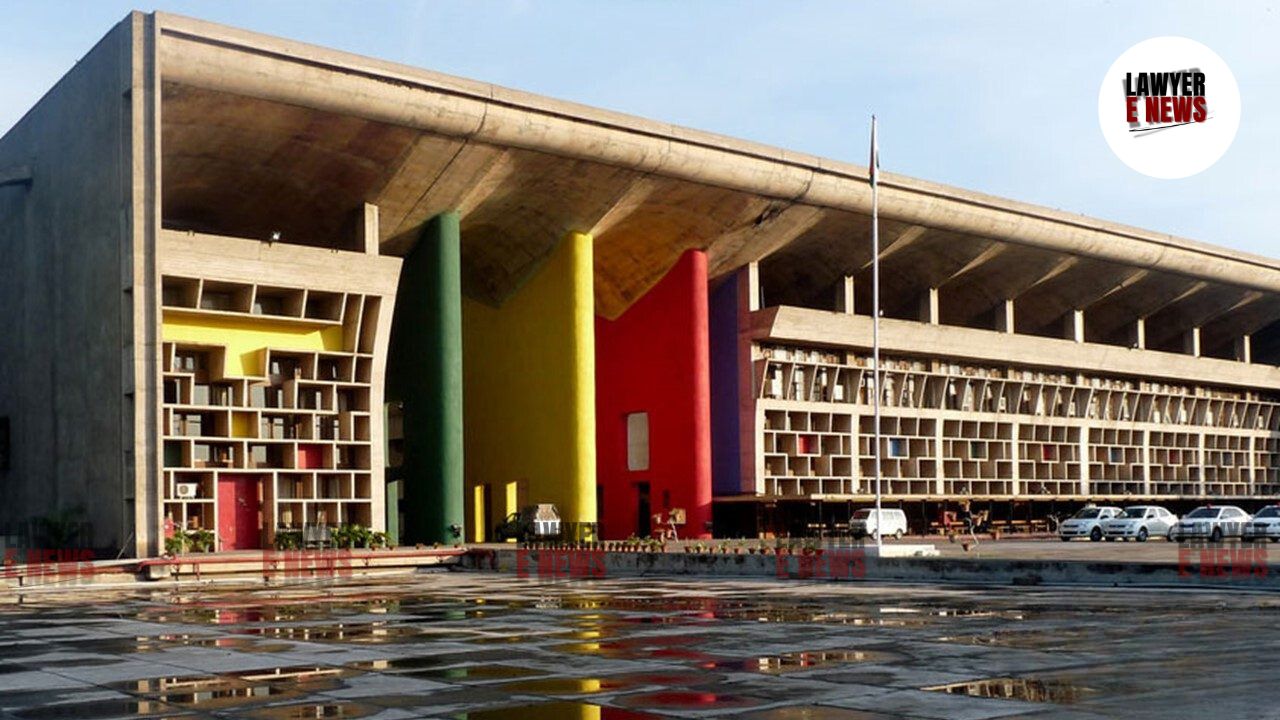
"The legislature has consciously provided this right of refund on demand as an unconditional absolute right to the allottee, if the promoter fails to give possession of the apartment, plot or building within the time stipulated under the terms of the agreement." Bombay High Court, in a significant ruling dated 28 September 2026, has affirmed that the obligation of a promoter to refund the amount received from an allottee with interest upon the latter's withdrawal from a project under Section 18(1) of the Real Estate (Regulation and Development) Act, 2016 (RERA), is absolute and unqualified.
A bench of Justice Sandeep V. Marne held that the Real Estate Regulatory Authority (MahaRERA) and the Appellate Tribunal lack the discretion to grant concessions, such as permitting the promoter to delay refunds until the receipt of an Occupation Certificate (OC), even if the promoter has made genuine efforts to complete the project or faces mitigating circumstances.
The dispute arose from a real estate project "Waterways" in Nashik, where the appellants (promoters) failed to deliver possession of a flat by the agreed date of 31 December 2017. While MahaRERA originally allowed the allottees to withdraw and seek a refund, it granted the promoters an option to delay the payment of the principal and interest until they secured the OC, citing mitigating circumstances. The Maharashtra Real Estate Appellate Tribunal later modified this, ordering an immediate refund. The promoters challenged this before the High Court, seeking to restore the flexibility granted by the MahaRERA.
The court was tasked with determining whether the refund obligation under Section 18(1) of RERA is absolute or subject to the exercise of discretion by the regulatory authorities. It also examined whether the observations of the Supreme Court in Newtech Promoters and Developers Private Limited vs. State of U.P. regarding the absolute nature of the refund right constitute ratio decidendi or merely obiter dicta. Additionally, it questioned whether the previous findings of the Bombay High Court in Neelkamal Realtors Suburban Pvt. Ltd. vs. Union of India allowed for the molding of relief based on a promoter’s genuine efforts.
Court Explains Absolute Nature of Refund
The court underscored that the expression "on demand" in Section 18(1) of RERA signifies the priority and expediency accorded to the allottee’s right to restitution. The court observed that while compensation under Section 18(2) may involve a complex adjudicatory process, the refund of the principal amount and interest under Section 18(1) is a bare minimum right.
"Return of amount received by the promoter from the allottee together with interest is the bare minimum which the promoter must perform in every case, including a case where the promoter has made genuine efforts to complete the project within the agreed timeline."
Rejection of Discretionary Relaxation
Addressing the promoter’s argument that they should be permitted to pay only after obtaining the OC to protect the project's financial viability, the court rejected the plea for "molding of relief." It clarified that such an interpretation would defeat the legislative intent of the Act, which seeks to protect homebuyers from being trapped in delayed projects.
"The right to seek return of amount with interest is absolute and unqualified. The right cannot be diluted by the Regulatory Authority or by the Appellate Authority or even by the High Court by giving any concession to the promoter."
Newtech Promoters Judgment Confirmed as Precedent
The High Court categorically dismissed the contention that the Supreme Court's findings in Newtech Promoters regarding the absolute right to refund were obiter. Relying on the "inversion test," the court held that the Supreme Court’s interpretation of Section 18 of RERA was essential to the legal determination of the Act's scope and thus constitutes a binding ratio decidendi. The bench further distinguished the current situation from the Neelkamal Realtors judgment, noting that the latter did not authorize regulatory bodies to dilute the statutory obligation of a refund.
"Findings recorded by the Apex Court in Newtech Promoters are not obiter dicta and they constitute ratio decidendi."
The High Court dismissed the appeal, holding that the directive to refund the entire consideration with interest from 1 January 2018 was valid. The judgment reinforces that a promoter's struggle to complete a project does not supersede the statutory, unconditional right of a homebuyer to exit the project and recover their investment upon the promoter's failure to meet possession deadlines.
Date of Decision: 28 September 2026