-
by sayum
15 August 2026 10:03 AM







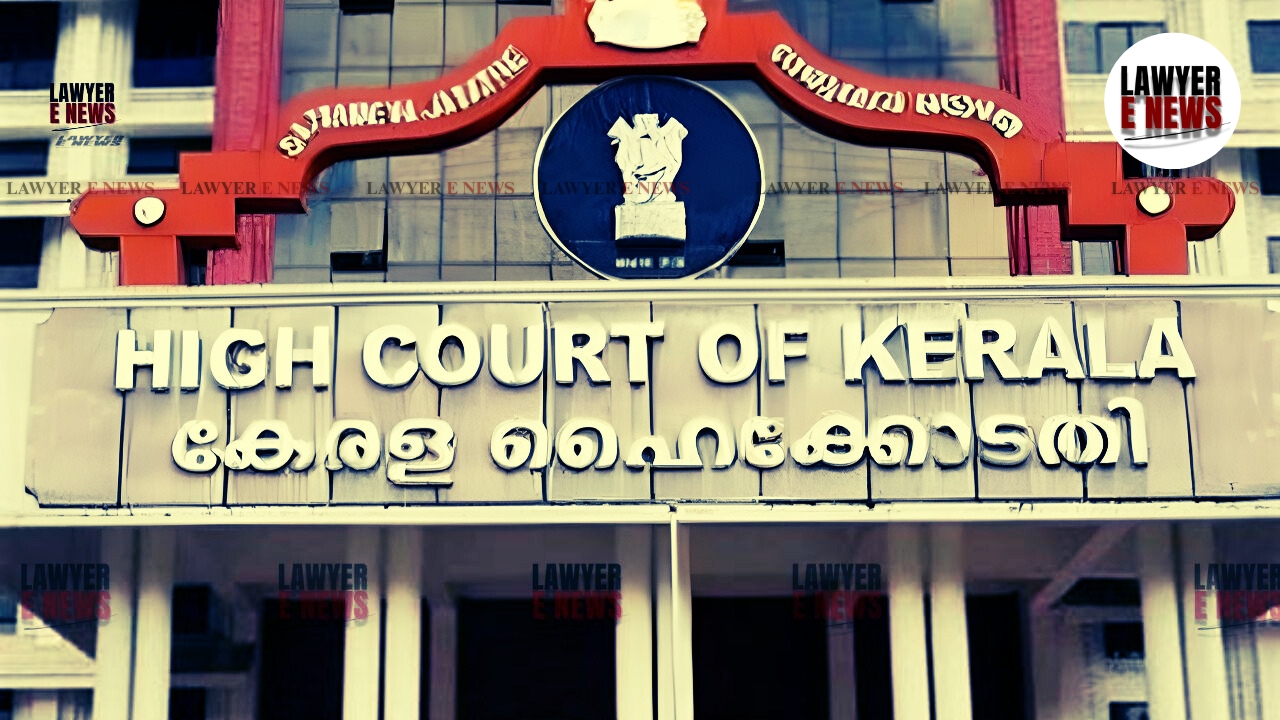
"When Hindu male dies intestate, the children of the deceased employee born out of the second wedlock would be entitled to share in the family pension and death-cum-retirement gratuity. However, the second wife will not be entitled to get the retirement benefits..." Kerala High Court, in a significant, held that while a second wife from a void marriage cannot claim the family pension or retirement benefits of a deceased government employee, the children born out of such a wedlock are legitimate and entitled to a share.
A bench of Justice Shoba Annamma Eapen observed that under Section 16 of the Hindu Marriage Act, 1955, these children have property rights equal to those of the first wife and her children.
The writ petition was filed by the legally wedded first wife and her son, seeking the disbursement of terminal benefits and a compassionate appointment following the death of a KSRTC employee in 2015. A dispute arose when another woman, claiming to be the deceased's second wife, filed a counter-affidavit asserting financial rights for herself and her two children. Due to the conflicting claims, KSRTC withheld the disbursement of service benefits and did not process the application for the dying-in-harness scheme.
The primary question before the court was whether the second wife and her children could claim a share in the family pension and terminal benefits of the deceased employee when the first marriage was still subsisting. The court was also called upon to determine the rightful claimant for employment under the dying-in-harness scheme amidst the familial dispute.
Second Marriage During Subsistence Of First Is Void
The court noted that there was no dispute regarding the subsistence of the employee's first marriage when he cohabited with the sixth respondent. Consequently, the court observed that the second marriage was void in the eyes of the law, and the second wife could not be recognized as a legal heir.
Legitimacy Of Children Under Section 16 HMA
Relying on Section 16 of the Hindu Marriage Act, 1955, the court emphasized that children born out of void and voidable marriages are statutorily conferred with legitimacy. The bench noted that the legal heirship certificate issued by the Tahsildar rightly excluded the second wife but included her two children alongside the first wife, her son, and the deceased's mother.
Right To Family Pension And Terminal Benefits
Placing reliance on the Supreme Court's judgment in Rameshwari Devi v. State of Bihar, the court clarified the property rights of the respective parties. It held that the children from the second marriage, being legitimate, are entitled to a share in the property of the deceased employee in equal shares along with the first wife and the son born from the first marriage.
"That being the legal position, when Hindu male dies intestate, the children of the deceased employee born out of the second wedlock would be entitled to share in the family pension and death-cum-retirement gratuity."
Second Wife Has No Claim Over Retirement Benefits
The bench strictly ruled out any financial relief for the second wife who entered into the void marriage. The court clarified that while the children of the second wife are entitled to benefits until they attain majority, the second wife herself holds no legal right over the retirement benefits or the family pension.
Directions On Compassionate Appointment
Addressing the petitioner's plea for employment under the dying-in-harness scheme, the court directed KSRTC to consider the application filed by the son from the first marriage within three months. The court added a equitable caveat, clarifying that if the first wife's son does not intend to seek the appointment, the children of the second wife would be at liberty to apply, subject to their eligibility as per law.
The writ petition was allowed with specific directions to KSRTC to disburse the death-cum-retirement gratuity and family pension to the legal heirs strictly as identified in the legal heirship certificate. The ruling reaffirms the statutory protection granted to children of void marriages while unequivocally denying terminal service benefits to a spouse from an invalid second marriage.
Date of Decision: 23 June 2026