-
by sayum
04 August 2026 1:39 PM







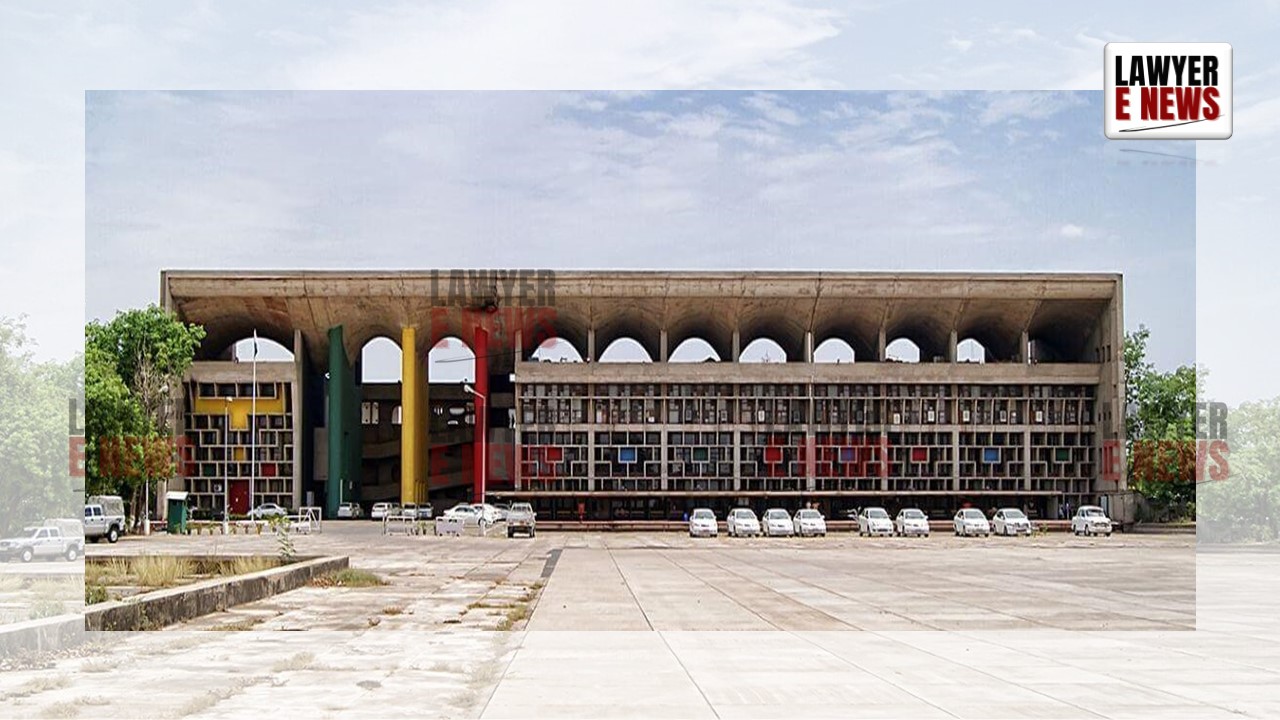
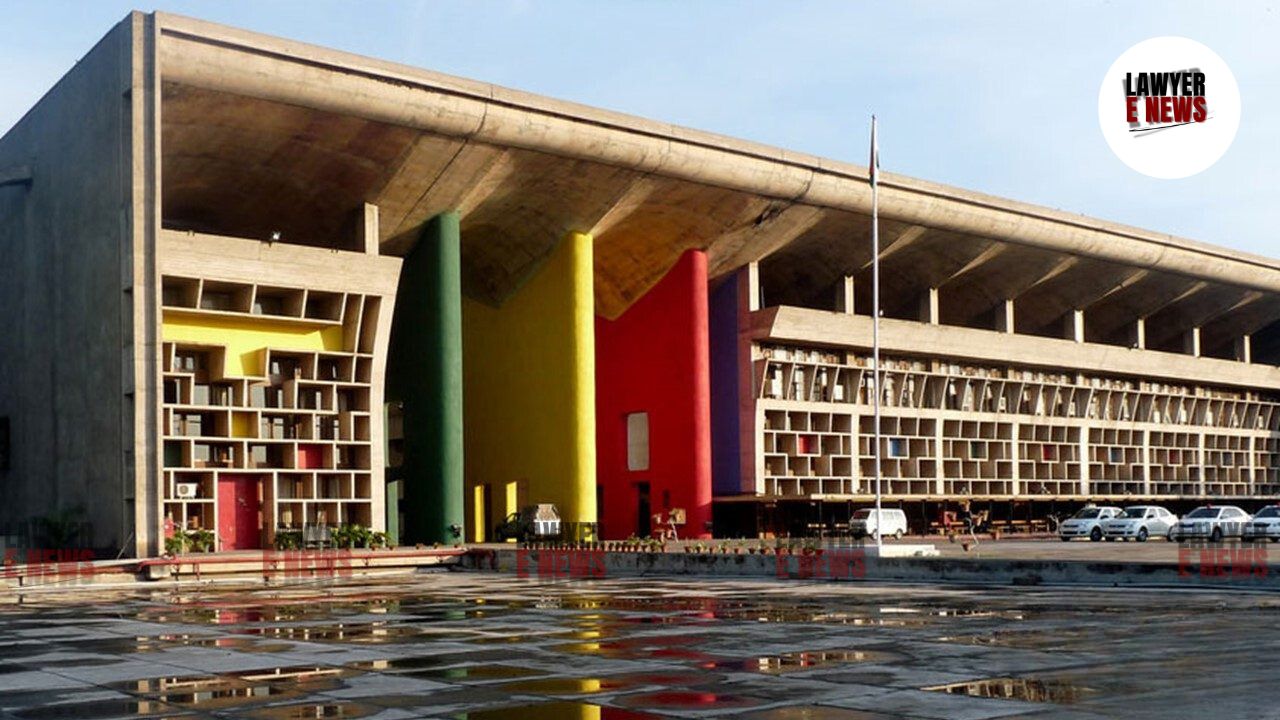
“No Substantial Question of Law Arises When Facts Are Settled by Concurrent Findings”— In a firmly reasoned ruling dated May 19, 2025, the Punjab and Haryana High Court dismissed a second appeal arising from a failed suit seeking declaration of inheritance rights over alleged coparcenary property. Justice Alka Sarin, in a reportable judgment, held that the second appeal was barred by res judicata, and further observed that: “No question of law, much less any substantial question of law, arises in the present case.”
The Court upheld the concurrent findings of the courts below, rejecting the plaintiff-appellants’ claims based on both prior litigation and lack of proof of ancestral title.
The plaintiffs, Gopal Singh and another, had approached the civil court claiming joint ownership of 6/25th share of land in village Dosanjh, Tehsil Moga, asserting inheritance from their father Amar Singh and their deceased uncle Satnam Singh, who allegedly died issueless and of unsound mind.
The plaintiffs contended that Satnam Singh could not have legally transferred the land and that the property was ancestral coparcenary property belonging to a joint Hindu family, originating from Surmukh Singh and descending through Inder Singh.
They sought declaration of title and permanent injunction against Nasib Singh (defendant No.1), claiming he fraudulently obtained a transfer deed dated 28.12.2005 from Satnam Singh.
However, the defendants raised a crucial preliminary objection: the suit was barred by res judicata, citing an earlier civil suit RT No. 1259/2011, filed by Amar Singh and Gurnam Singh (from whom the plaintiffs claim inheritance), which had been dismissed twice, even after remand by the appellate court.
“Earlier Judgment Involving Same Dispute Is Binding”
Justice Alka Sarin meticulously dissected the matter and upheld the Trial Court and First Appellate Court’s findings, observing:
“The plaintiffs themselves were parties to the earlier suit as they had been impleaded as legal representatives of Amar Singh, which fact was admitted by plaintiff-appellant No.1 in his cross-examination.”
She emphasized that the previous suit involved the same property, the same parties, and the same transfer deed dated 28.12.2005, which was being challenged again under a new guise. The Court held: “Re-litigation on same grounds not maintainable.”
Claim of Coparcenary Status Rejected: “Mere Assertion Is Not Proof”
The appellants attempted to characterize the suit land as joint Hindu family property, thus invoking coparcenary rights. However, the Court rejected this claim, stating:
“There is nothing on the record to even remotely suggest that the property was coparcenary joint Hindu family property in the hands of the plaintiff-appellants.”
No documentary or circumstantial evidence was brought on record to establish the existence of a joint Hindu family or coparcenary as required under Hindu law.
The High Court concluded that both courts below had rightly held that Satnam Singh had a separate and alienable share, which he transferred validly to Nasib Singh.
Allegation of Unsoundness of Mind Held Baseless
The plaintiffs had also alleged that Satnam Singh was of unsound mind and hence incapable of executing the transfer deed. However, the Court noted:
“No medical or legal evidence produced to support this claim – Deed held validly executed and registered.”
The High Court found that the allegation of unsoundness of mind and forgery were unsupported and speculative, and could not override a duly executed and registered transfer deed.
Res Judicata Fully Applies: Finality to Earlier Litigation
Applying Section 11 CPC, the Court upheld the bar of res judicata, reiterating the settled legal principle:
“Once a competent court has adjudicated upon a dispute between the same parties over the same subject matter, subsequent litigation on the same issue is barred.”
The Court emphasized that the earlier litigation concerning the very same transfer deed had been finally adjudicated, and the plaintiffs could not “give it a different colour” to reopen the dispute.
No Substantial Question of Law—Second Appeal Not Maintainable
Finally, Justice Sarin concluded that the second appeal under Section 100 CPC was not maintainable, as:
“No substantial question of law arises in the present case.”
The High Court underscored that findings of fact, when based on proper evidence and rendered concurrently by two courts, are binding in second appeal unless serious legal errors are demonstrated—which was not the case here.
Appeal Dismissed, Litigation Closed
Accordingly, the second appeal was dismissed as meritless, with all pending applications disposed of, and interim orders vacated.
“I do not find any merits in the present appeal... The appeal, being devoid of any merits, is accordingly dismissed.”
Date of Decision: May 19, 2025