-
by sayum
26 August 2026 10:38 AM







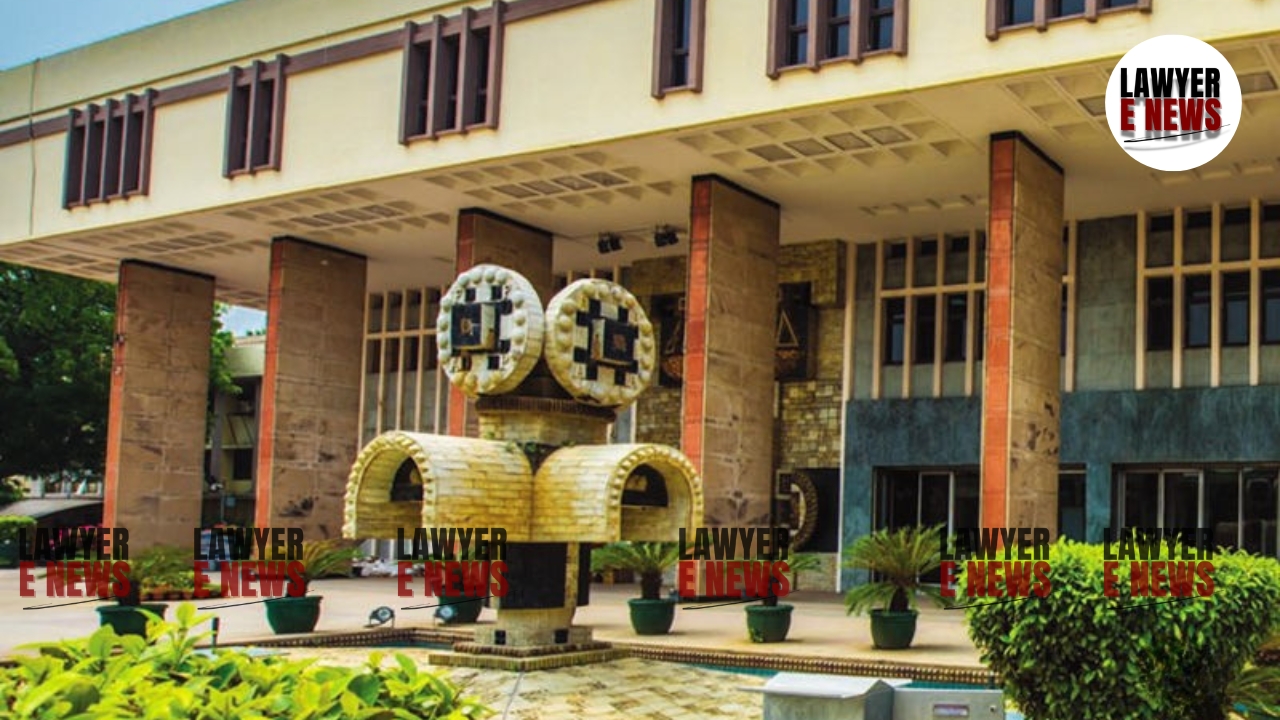
“This Is A Case Of Triple Identity”, In a significant ruling reaffirming the strict standards applicable to pharmaceutical trade mark disputes, the Delhi High Court on 28 February 2026 granted an interim injunction in favour of Novartis AG and its group entities, restraining the defendants from using the mark “NOVIETS” for pharmaceutical and veterinary products.
Justice Tejas Karia held that the impugned mark “NOVIETS” was visually, phonetically and structurally deceptively similar to the registered mark “NOVARTIS”. The Court found that this was a clear case of “triple identity” — identical marks, identical goods and identical trade channels — warranting immediate injunctive relief under Order XXXIX Rules 1 and 2 CPC.
A Global Pharmaceutical Giant Versus A Regional Player
The Plaintiffs, part of the Novartis Group, asserted longstanding and continuous use of the mark “NOVARTIS” since 1996, with registrations across more than 100 jurisdictions, including India. The mark stands registered in Class 05 for pharmaceutical products since 28 February 1996.
The Plaintiffs demonstrated extensive goodwill, including Indian sales of ₹3,67,20,00,000 in FY 2022–2023 alone. They also highlighted decades of presence in India, including rural healthcare initiatives.
In January 2024, the Plaintiffs discovered the Defendants’ use of the mark “NOVIETS” on IndiaMart in relation to pharmaceutical and veterinary products. The Defendants had also applied for registration of “NOVIETS” in Class 05, which was eventually abandoned after opposition.
Despite repeated legal notices, the Defendants continued use of the impugned mark, prompting the present suit for infringement and passing off.
“At The Demurrer Stage, Pleadings Must Be Presumed True”: Jurisdiction Objection Rejected
The Defendants argued that their business was confined to Bihar and that their IndiaMart listing was merely passive, contending that no cause of action arose in Delhi. They sought rejection of the plaint under Order VII Rules 10 and 11 CPC.
The Court rejected this contention at the interim stage, applying the demurrer principle:
“At this preliminary stage, the objection to jurisdiction is to be decided by demurrer, thereby all pleaded facts are assumed to be true.”
The Plaintiffs had pleaded that the Defendants’ IndiaMart page displayed “Delhi” as their place of business and contained a “Contact Us” page, making the products accessible to Delhi consumers.
The Court held that whether the website was sufficiently interactive was a mixed question of law and fact requiring evidence at trial. Relying on Sun Pharmaceutical Industries Ltd. v. Artura Pharmaceuticals Pvt. Ltd., the Court observed that mentioning the impugned mark on an online platform with a “contact us” page was sufficient at this stage to allow the suit to proceed.
Accordingly, the plea of lack of territorial jurisdiction was rejected, leaving the issue open for trial.
“Replacing ‘AR’ With ‘IE’ Is Not Enough”: Deceptive Similarity Established
On merits, the Court held that the Plaintiffs had established a strong prima facie case of infringement under Section 29 of the Trade Marks Act, 1999.
The Court noted that the Defendants had merely replaced the letters “AR” in “NOVARTIS” with “IE” and removed one “I” to arrive at “NOVIETS”. Such minor alterations were held insufficient to distinguish the competing marks.
“Replacing the letters ‘AR’ with ‘IE’ and removing the letter ‘I’ from the Plaintiffs’ Mark, ‘NOVARTIS’ to form the Impugned Mark, ‘NOVIETS’, is not enough to distinguish the goods of the Defendants from those of the Plaintiffs.”
Applying the test of the “average consumer with imperfect recollection”, the Court held that an ordinary purchaser would not be able to distinguish between the rival marks.
The Court further found that the Defendants had also imitated the colour combination and placement of features in the Plaintiffs’ device mark, reinforcing the inference of dishonest adoption.
“In Pharmaceutical Cases, Stricter Approach Is Required”
The Court invoked the Supreme Court’s landmark ruling in Cadila Healthcare Ltd. v. Cadila Pharmaceuticals Ltd., reiterating that a stricter standard applies in cases involving medicinal products.
“The staff of the pharmacists and chemists are not always literate and the handwriting of the doctors are often illegible, thus confusion and deception is inevitable.”
Emphasising public interest, the Court observed that confusion between medicinal products “may be life threatening, not merely inconvenient”.
Even a lesser degree of proof of confusion suffices in pharmaceutical trade mark disputes.
“Initial Interest Confusion Is Actionable”
Justice Karia applied the doctrine of “initial interest confusion”, holding that even transient confusion at the preliminary stage of purchase is actionable under Section 29 of the Act.
“Even such transient confusion at the initial stage is sufficient to meet the requirement of deceptive similarity.”
The Court observed that an infringer’s objective may be served merely by diverting the consumer’s initial attention, even if the consumer later realises the true source.
Trade Name Defence Rejected
The Defendants contended that “NOVIETS” was used only as a trade name and not as a product brand.
The Court rejected this defence, holding that use as a trade name in an identical line of business constitutes infringement and passing off.
In cases of infringement and passing off, the Court reiterated:
“In cases of infringement and passing off of Trade Marks an injunction must follow.”
“Having Sought Registration, They Cannot Claim It Is Generic”
The Defendants argued that the prefix “NOV” was generic and common to trade, derived from “Nova” or “New”.
The Court found this argument untenable. The Defendants themselves had applied for registration of “NOVIETS”. Having sought statutory exclusivity, they could not turn around and claim the prefix was common to trade.
“The Defendants are not allowed to approbate and reprobate and take contrary stands.”
The Court held that “NOVARTIS” had acquired distinctiveness and was exclusively associated with the Plaintiffs in the pharmaceutical field.
“Dominant Feature ‘NOV’ Identical”: Prima Facie Infringement Made Out
Applying the dominant feature test, the Court held that the prefix “NOV” was the dominant component in both marks.
“The dominant feature of the Plaintiffs’ Marks and the Impugned Marks, i.e., the prefix ‘NOV’, is identical.”
Combined with identical goods and consumer base, this established a strong prima facie case.
Balance Of Convenience Favours Novartis
The Court concluded that the Plaintiffs had demonstrated prior use, registration, goodwill and likelihood of confusion. It held that this was a case of “triple identity” where the similarity was so close that the marks were “indistinguishable”.
“Grave prejudice is likely to be caused to the Plaintiffs if interim injunction… is not granted.”
Accordingly, the Defendants and all those acting on their behalf were restrained from using “NOVIETS” or any deceptively similar mark, whether as a trade mark or trade name, in relation to pharmaceutical and veterinary products, including on internet and e-commerce platforms.
The application under Order XXXIX Rules 1 and 2 CPC was allowed.
Date of Decision: 28 February 2026