-
by sayum
28 August 2026 2:11 PM







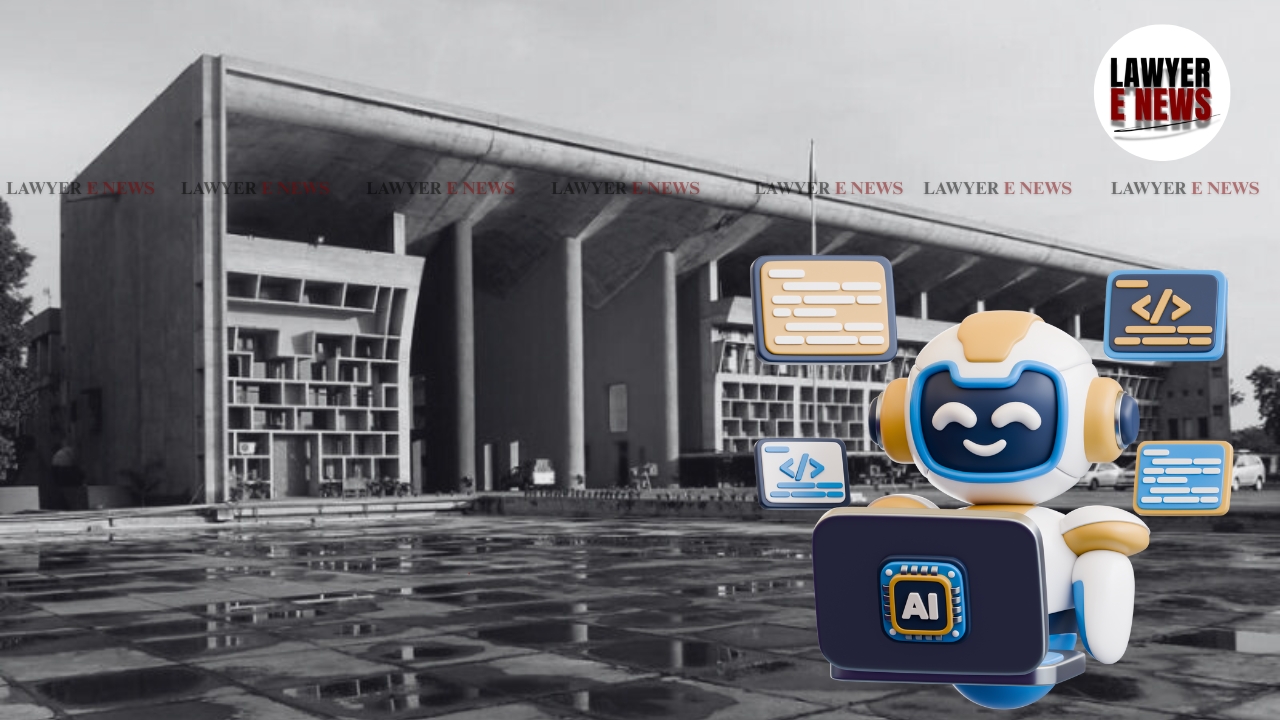
“Advocates must come prepared — proceedings cannot be stalled for AI, Google searches or mobile-based information retrieval during hearings.” - In a sharply worded order dated 30 September 2025, the Punjab and Haryana High Court expressed its serious concern over a growing trend among lawyers of using mobile phones inside the courtroom to fetch information during hearings, particularly from AI-based tools, online databases, and Google searches. Justice Sanjay Vashisth, while presiding over RXXXXXX v. State of Haryana , noted with disapproval that even during the course of arguments, counsel was seen retrieving case-related information via mobile phone, which ideally should have been gathered in advance as part of professional preparation.
“Court Proceedings Are Being Stalled Because Counsel Waits to Retrieve Information Mid-Hearing — This Practice Must End”
The Court recorded its clear displeasure in the opening paragraphs of the order:
“Again, during the midst of hearing in the present case, mobile phone is being used by learned counsel for answering the Court query by searching the required information therein, which in fact, ought to have been collected by the learned counsel in advance to the hearing, while preparing the case for arguments.”
Justice Vashisth emphasized that this was not an isolated incident and referred to repeated disruptions in judicial proceedings, with advocates relying on mobile phone searches to respond to judicial queries:
“This Court is concerned and bothered time and again by the respective members of the Bar using mobile phones during the course of hearing, just in front of the Court. Even sometimes, proceedings are to be stalled, awaiting the answer, which would come only after retrieving information from such mobile phone.”
“Artificial Intelligence and Online Platforms Cannot Replace Proper Courtroom Preparation”: Court Recalls Earlier Mobile Phone Seizure Incident
The Bench referred to an earlier case, CRM-M-50544-2025, Ravneet Singh Sandhu @ Manveer Singh v. UT of Chandigarh, wherein on 19 September 2025, a mobile phone was seized during the hearing for similar conduct. The information regarding that incident was communicated to the High Court Bar Association.
Referring to that, the present order reiterates the Court’s expectation of professional decorum:
“Let today’s order be also supplied, so that the President/Secretary of the Bar Association may apprise the worthy members not to compel the Court to pass any harsh order on account of repeated use of mobile phones during the course of hearing to update themselves through artificial intelligence/online platforms/google information.”
The emphasis here is unmistakable: the Court is drawing a line between courtroom preparedness and digital dependency, warning that further misuse may lead to stricter action or formal restrictions.
Court Orders Circulation of Order to Bar Association; Next Hearing Fixed
Justice Vashisth directed that the present order be circulated to the President and Secretary of the Bar Association, with the clear intent that the legal fraternity must take corrective steps voluntarily, failing which, the Court may be compelled to enforce formal prohibitions.
“Let today’s order be also supplied... not to compel the Court to pass any harsh order…”
The case has been listed for further hearing on 20 November 2025.
Judicial Caution in the Age of AI and Courtroom Technology
This order adds to the ongoing judicial discourse around the use of artificial intelligence and online resources by legal professionals inside courtrooms. While the legal fraternity is increasingly integrating AI-based tools for research and drafting, the Bench has drawn attention to the timing and manner of such usage, asserting that the sanctity and efficiency of court proceedings cannot be compromised.
While not opposing the use of technology per se, the Court makes it clear that it cannot tolerate unpreparedness being masked as real-time learning.
Date of Order: 30 September 2025