-
by sayum
28 August 2026 2:11 PM







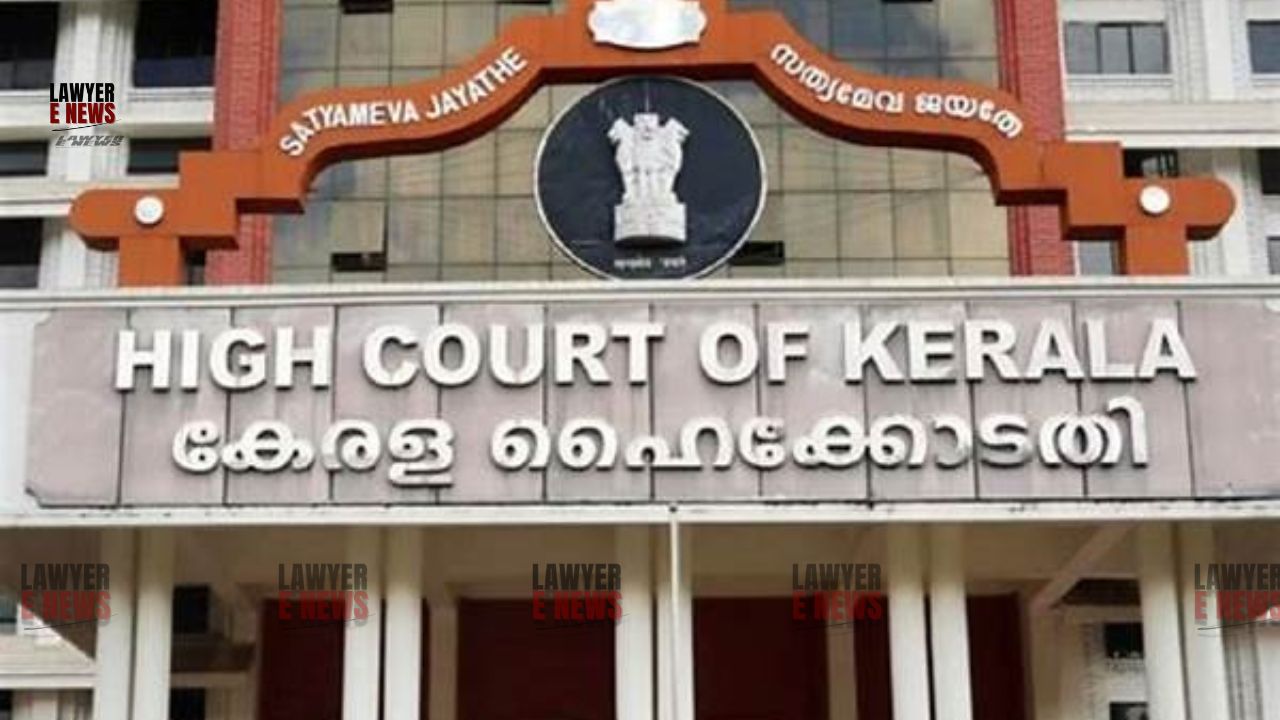
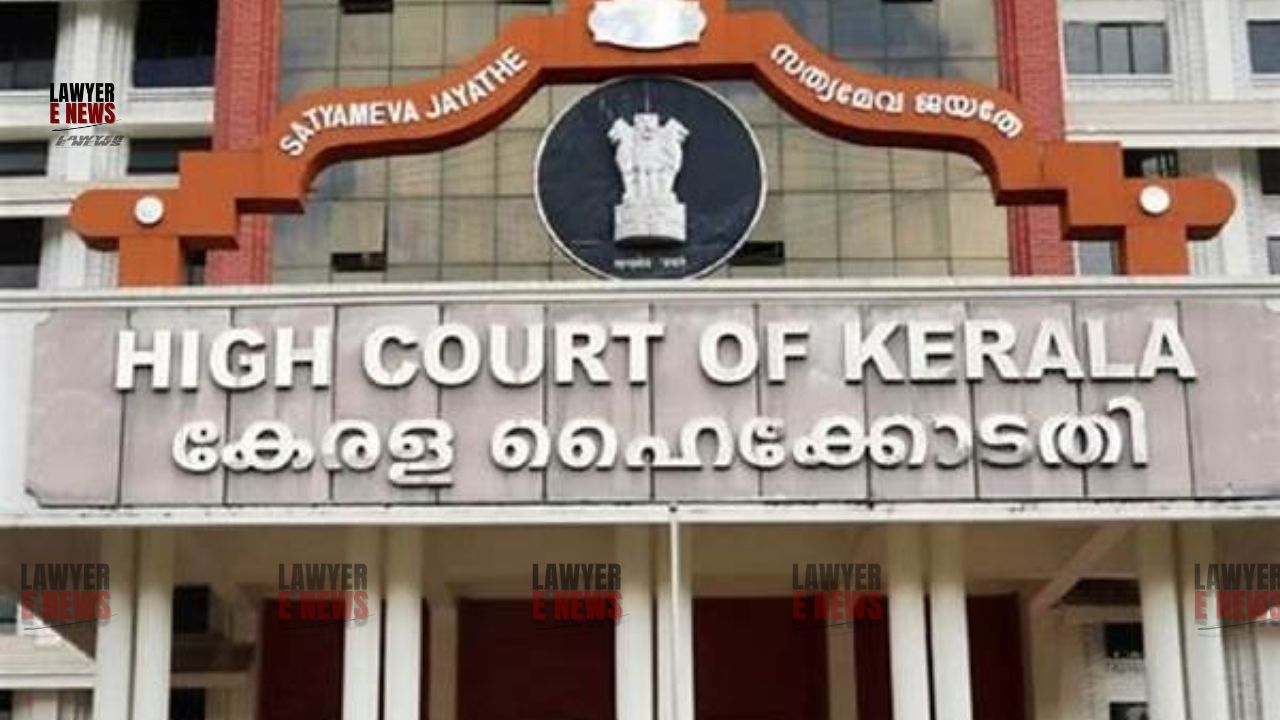
“The person in whose name the vehicle stands registered is the ‘owner’ under Section 2(30) of the Motor Vehicles Act, irrespective of any private transfer or indemnity bond. The object of the law is to protect victims and their families from uncertainty in compensation claims,” held the Kerala High Court while deciding a crucial motor accident claim dispute, reinforcing the statutory presumption of ownership based on official vehicle registration.
In a significant decision, Justice Shoba Annamma Eapen dismissed an appeal filed by the registered owner of a vehicle involved in a fatal road accident, upholding the Motor Accident Claims Tribunal’s (MACT) direction allowing the insurer to recover compensation from the registered owner and the driver, despite claims of a prior sale of the vehicle and execution of an indemnity bond. The ruling affirms the principle that, unless a statutory transfer of ownership under Section 50 of the Motor Vehicles Act is duly effected, the registered owner remains liable under the Act.
"Section 2(30) Makes It Clear – Name on Registration Certificate Determines Ownership"
Kerala High Court adjudicated upon the issue of liability for compensation in a fatal motor accident that occurred in 2006. The primary legal question was whether the registered owner, Abdul Khader (the appellant), could be held liable when he asserted that the vehicle had been sold prior to the accident, and an indemnity bond had been executed by the buyer.
The Tribunal had earlier directed the insurance company to compensate the claimants – legal heirs of the deceased victim – and granted the insurer the right to recover the compensation amount from Abdul Khader (the registered owner) and the rider, Shakeer, who was found to be riding without a valid driving licence.
Fatal Collision and Conflicting Claims of Ownership
The tragic accident occurred on 07.09.2006, when the deceased Sujith, riding motorcycle KL-8/AK 1426, was hit by another motorcycle (KL-8/AJ 4127) allegedly driven rashly by Shakeer. Sujith succumbed to his injuries the same day. His legal heirs approached the MACT seeking compensation.
The insurer did not deny the existence of an insurance policy but pointed to a violation of the policy conditions as Shakeer had no valid driving licence. The Tribunal, acknowledging the insurer’s limited liability due to the policy breach, directed the insurance company to pay and recover the compensation from the registered owner and driver.
Abdul Khader appealed, asserting that he had sold the vehicle to the additional fifth respondent (Ansari) before the accident and that an indemnity bond had been executed. However, the Tribunal rejected this defence and held him liable as the registered owner.
Statutory Ownership Over Private Arrangements
Justice Eapen examined the matter with reference to Section 2(30) and Section 50 of the Motor Vehicles Act, 1988. The Court emphasized:
“The person in whose name a motor vehicle stands registered is the owner of the vehicle for the purpose of the Act.”
It was observed that the appellant continued to be the registered owner of the offending motorcycle at the time of the accident. Despite his claim of having sold the vehicle and executed an indemnity bond, there was no official record of transfer of ownership as per Section 50, which mandates the procedure for such transfers.
The Court reinforced the statutory position by quoting from Naveen Kumar v. Vijay Kumar, (2018) KHC 6083:
“For the purposes of the Act, it is the person whose name is reflected in the records of the registering authority who is the owner. He continues to be liable to third parties unless the ownership is officially transferred.”
The Court dismissed the appellant’s reliance on Said Mohammed v. Rema and Sreekumar v. Abdeen, holding that these did not override the settled position in Naveen Kumar.
On the Indemnity Bond: No Evidentiary Value Without Production
One of the key arguments made by the appellant was that an indemnity bond was executed in his favour by the subsequent owner (Ansari) and the rider (Shakeer). The Court noted that while the appellant raised this contention before the Tribunal, there was no record of the actual bond being produced:
“On a perusal of the trial court records, no such indemnity bond is seen produced by the appellant herein. Hence, I am not inclined to accept the above argument.”
Accordingly, the Court held that no evidentiary value can be attached to a document which was not produced or proved during trial, and the Tribunal had rightly not relied upon it.
Driver Without Valid Licence – Policy Violation Sustains Insurer’s Right of Recovery
It was undisputed that the second respondent, Shakeer, was riding the motorcycle without a valid driving licence. This amounted to a breach of the terms of the insurance policy.
The Court upheld the Tribunal’s decision permitting the insurer to recover the compensation paid from both the registered owner and the rider, in line with settled legal principles governing policy violations.
Liability of Registered Owner Affirmed – Limited Relief to Appeal
While the Court upheld the Tribunal’s direction regarding recovery, it partially allowed the appeal by clarifying that if the compensation amount is recovered from the appellant (registered owner), he would be entitled to seek reimbursement from the alleged buyer through independent legal proceedings:
“...in case the amount awarded by the tribunal is realised from the appellant/owner, the appellant can recover the said amount with interest awarded by the tribunal from the date of payment till realisation from the additional fifth respondent, through due process of law.”
Thus, the registered owner’s liability to third parties remains intact under the statute, but recourse against the subsequent buyer is preserved through separate litigation.
Date of Decision: 10 July 2025