-
by sayum
19 August 2026 8:35 AM







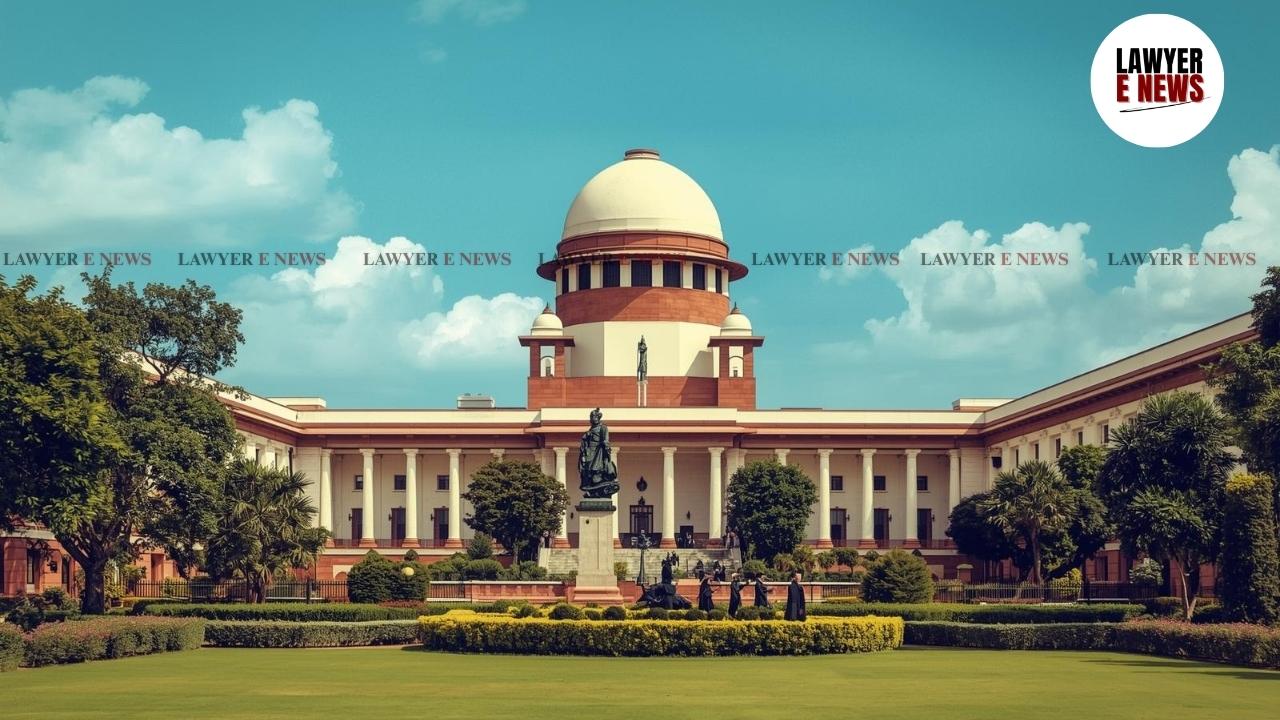
The Supreme Court of India, in a significant ruling, held that an accused is entitled to regular bail on the grounds of prolonged incarceration and parity when the trial is yet to commence and co-accused have already been released. A bench of Justice B.V. Nagarathna and Justice Ujjal Bhuyan observed that "considering the facts on record," a clear case for bail was established despite the serious nature of the charges under the Indian Penal Code and the Arms Act.
The appellant, Chinmay Dattatray Shinde, had been in custody since January 14, 2023, in connection with an FIR registered in Thane, Maharashtra, for offences including attempt to murder and armed rioting. He approached the Supreme Court after the Bombay High Court rejected his regular bail application on June 23, 2025.
The primary question before the Court was whether prolonged pre-trial incarceration and the release of similarly situated co-accused entitle an accused to regular bail, despite allegations of a specific and serious role in the crime. The Court was also called upon to determine if the presence of criminal antecedents entirely precludes the relief of bail under such circumstances.
Prolonged Incarceration And Pending Trial
The Court took note of the significant period the appellant had spent behind bars, observing that he had been in custody for over three years since January 2023. The bench noted the submission that the trial had not yet commenced and that the prosecution had listed at least thirteen witnesses to be examined, indicating that the proceedings would inevitably take substantial time to conclude.
The Principle Of Parity In Bail Jurisprudence
Crucially addressing the issue of parity, the Court evaluated the custody status of the other individuals named in the FIR. The bench acknowledged the appellant's argument that out of the eight accused persons involved in the incident, five had already been granted the relief of bail by the courts, while one remained absconding. Emphasizing the need for consistent treatment under bail jurisprudence, the Court found merit in extending the same benefit to the appellant.
Rejection Of State's Objections
The State vehemently opposed the bail plea, arguing that the appellant's role in the crime was "specific and serious" and highlighting his previous criminal antecedents. The State also suggested that a direction could be issued to the Sessions Court to expedite the trial instead of releasing the accused. However, the Court weighed these arguments against the broader principles of personal liberty and the fact that even the alleged victim possessed criminal antecedents.
Final Directions And Liberty To State
Ultimately, the bench concluded that continued detention was unwarranted. The Court set aside the High Court's order and allowed the appeal, asserting that the factual matrix justified granting relief. The bench directed the trial court to release the appellant on bail subject to appropriate conditions to secure his presence during the ensuing trial.
"The appellant shall be produced before the concerned trial Court as early as possible and the trial Court shall release him on bail, subject to such conditions as it may deem appropriate to impose to ensure his presence in the proceedings..."
Strict Compliance And Consequences Of Breach
While granting the relief, the Court imposed strict behavioural conditions on the appellant. The bench mandated that he "shall extend complete cooperation in the trial" and must not misuse his liberty. The Court explicitly reserved the right of the State to seek cancellation of the bail if the appellant is apprehended in any other offence, warning that "any infraction of the conditions may entail in cancellation of bail."
The Supreme Court set aside the Bombay High Court's refusal of bail and ordered the appellant's release subject to conditions set by the trial court. This judgment reinforces the foundational bail jurisprudence that prolonged pre-trial detention and the principle of parity remain potent grounds for securing liberty, even when the State alleges serious offences and cites criminal antecedents.
Date of Decision: 01 April 2026