-
by sayum
06 October 2026 10:09 AM







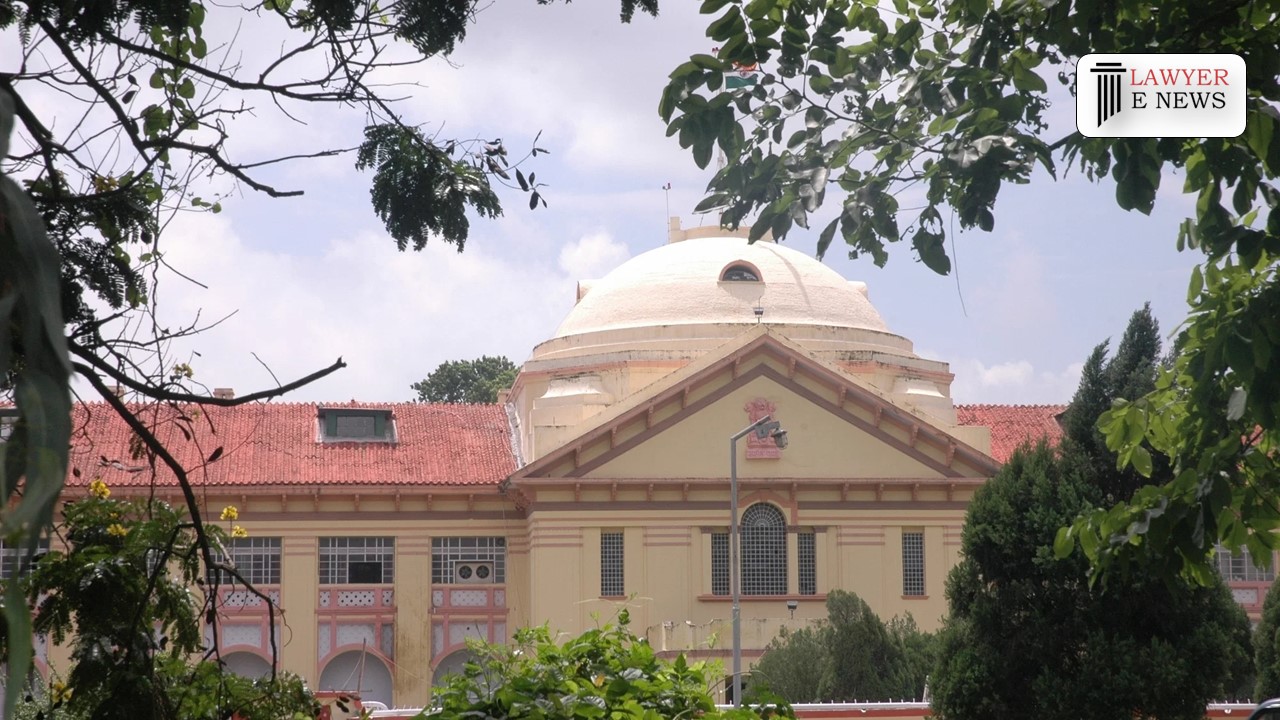
In a significant ruling, the Patna High Court has set a new precedent in the interpretation of partition suits and the application of compromise decrees. The court, under the bench of Justice Arun Kumar Jha, partially set aside a previous order in the Partition Suit No. 201 of 2016/544 of 2016, directing the amalgamation of this suit with a related one, Partition Suit No. 186 of 2015.
The ruling came on the heels of a petition filed under Article 227 of the Constitution of India, challenging an order by the Sub Judge VIIIth, Gaya. The order had previously rejected the petitioners' plea for dismissal of a plaint in a partition suit. The petitioners contended that the suit was barred by law, citing a previous compromise decree in Partition Suit No. 158 of 1990.
In his observation, Justice Arun Kumar Jha stated, "The plaintiff cannot avoid the compromise as he was having knowledge and he did not take any immediate step after attaining majority for setting aside the compromise decree within the period of limitation." This remark underscored the court's stance on the acknowledgment of the compromise decree by the plaintiff.
The court further noted, "It has been consistently held by the Hon'ble Apex Court that the plaint could either be rejected as a whole or not at all." This pivotal observation guided the decision to not reject the plaint against the petitioners, as it involved other defendants.
The decision marks a crucial development in how compromise decrees are interpreted in partition suits. The court's directive to amalgamate the two suits aims to provide a comprehensive adjudication of the matter.
The petitioners were represented by Mr. Binod Kumar Singh, while the respondents' case was presented by Mr. J.S. Arora. The High Court’s decision sets a precedent, emphasizing the careful consideration required in partition suits, especially those involving previous compromise decrees.
This ruling is expected to have significant implications in future cases involving partition suits and the application of Order 23 Rule 3A of the Code of Civil Procedure. The High Court's approach reflects a nuanced understanding of the complexities involved in family property disputes and the importance of a holistic judicial process.]
Date of Decision: 29-02-2024
Mohan Prasad Keshari VS Kundan Kumar Keshari and Other