-
by sayum
25 August 2026 12:32 PM







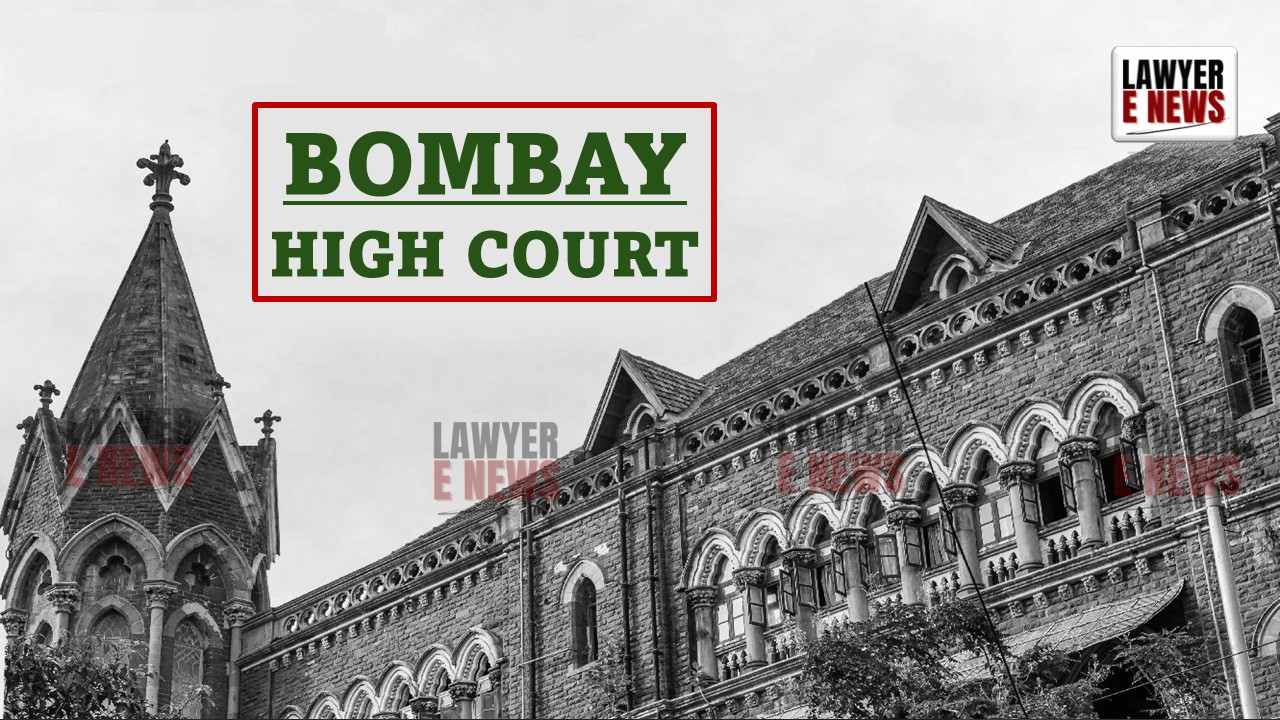
“Justice must not only be done, but it must manifestly and undoubtedly be seen to be done. It cannot bloom in the shadow of ideological hostility”— in a judgment with far-reaching implications for the interface between free speech, ideological conflict, and fair trial rights, the Bombay High Court allowed the transfer of five defamation suits filed by Sanatan Sanstha against prominent journalist Nikhil Wagle, social activist Hamid Dabholkar, and others, from Ponda, Goa, to Mumbai, Maharashtra. The ruling came in Miscellaneous Civil Application No. 52 of 2021 and four connected matters.
The High Court ruled that where there exists a “reasonable and well-founded apprehension to life and liberty” and the venue of the trial is "ideologically hostile", a civil suit—otherwise maintainable under jurisdictional rules—must be transferred in the interest of justice.
“A Courtroom Cannot Function Under the Gaze of Perceived Perpetrators”
The Bombay High Court, through Justice N.J. Jamadar, observed that:
“The apprehension of the Applicants that the proximity of the Sanstha’s headquarters to the Court at Ponda, Goa, would interfere with their right to a fair trial, cannot be brushed aside as fanciful. It is rooted in a history of violence, ideological antagonism, and tangible threats.”
Sanatan Sanstha had filed civil defamation suits seeking damages of ₹10 crores, alleging that statements made by the Applicants during public meetings and published articles had defamed the organization.
The Applicants, in turn, pointed out that the Respondent’s followers were implicated in the assassinations of prominent rationalists like Dr. Narendra Dabholkar, Comrade Govind Pansare, Prof. M.M. Kalburgi, and journalist Gauri Lankesh, all of whom had publicly opposed superstition and right-wing extremism.
Referring to chargesheets filed by the CBI and the Anti-Terrorism Squad, the Applicants submitted that "those who were murdered held similar views as we do. The same ideological climate persists. Our fears are not hypothetical.”
“Transfer Is Not a Matter of Convenience; It Is a Constitutional Necessity When Life and Liberty Are at Stake”
The Court rejected Sanatan Sanstha’s objections that the applicants were seeking to delay the proceedings and had previously participated without complaint. It held:
“Transfer jurisdiction under Section 24 of the CPC exists precisely for those cases where justice is likely to be compromised not by the law, but by the locale. If the atmosphere is charged with ideology, prejudice, and fear, then the courtroom ceases to be neutral ground.”
Sanatan Sanstha had argued that being the plaintiff, it had the right to choose the forum where the harm occurred. The Court, while acknowledging this doctrine of “Dominus Litis”, stated:
“Where the fundamental right to life and fair trial is under genuine threat, the convenience of the Plaintiff must yield to the sanctity of justice.”
The Court went on to reference several authoritative decisions, including Maneka Gandhi v. Rani Jethmalani and Subramaniam Swamy v. Ramakrishna Hegde, affirming that “mere convenience cannot override the imperative of a fair and fearless trial.”
“Apprehension Rooted in History Cannot Be Treated as Hypersensitivity”
The judgment makes special reference to Hamid Dabholkar, son of Dr. Narendra Dabholkar, stating: “The murder of Dr. Dabholkar is not a distant event; its ideological echo resonates still. The applicant is a direct stakeholder in that legacy. The threats are not imagined; they are inherited.”
The Court also noted that Wagle had previously received police protection and had been vocal in demanding a ban on the Sanstha. The Court said: “Where past murders remain unsolved or disputed, and ideological hostility continues to be actively expressed, the threat becomes chronic—even if dormant.”
Even in the absence of a direct threat from the Respondents in the current litigation, the Court held that the "overwhelming presence" of the Sanstha’s sadhaks at Ponda posed a "constant fear" for the applicants, especially when required to appear in person.
“It Is Not About Venue—It Is About the Vibe”
In perhaps the most powerful line from the judgment, the Court remarked:“Justice cannot function in a theatre of ideological intimidation. It must be removed from all such atmospheres—be it physical, psychological, or political.”
Respondent Sanstha’s reliance on the acquittals of some of its members in the Dabholkar trial did not persuade the Court to accept that the atmosphere at Ponda was neutral.
“Acquittal is not the end of ideology. The fear, the hostility, and the context remain. So does the public perception,” the Court observed.
Suits Transferred to Mumbai
The Court concluded that the balance of justice, safety, and constitutional protection lay in transferring the suits from Ponda to Mumbai. It held: “The environment at Ponda does not inspire the psychological neutrality required for the Applicants to face a trial uninhibitedly. The cause of justice demands relocation.”
The judgment reaffirms that courts must be arenas of calm, not battlegrounds of ideology, and that transfer is not merely an administrative exercise but a constitutional safeguard.
Date of Decision: 3rd September 2025