-
by sayum
04 August 2026 1:39 PM








Order 7 Rule 11 CPC | Limitation and Custom Cannot Be Decided Without Trial: Punjab & Haryana High Court Rejects Plea to Dismiss 94-Year-Old Inheritance Suit at Threshold
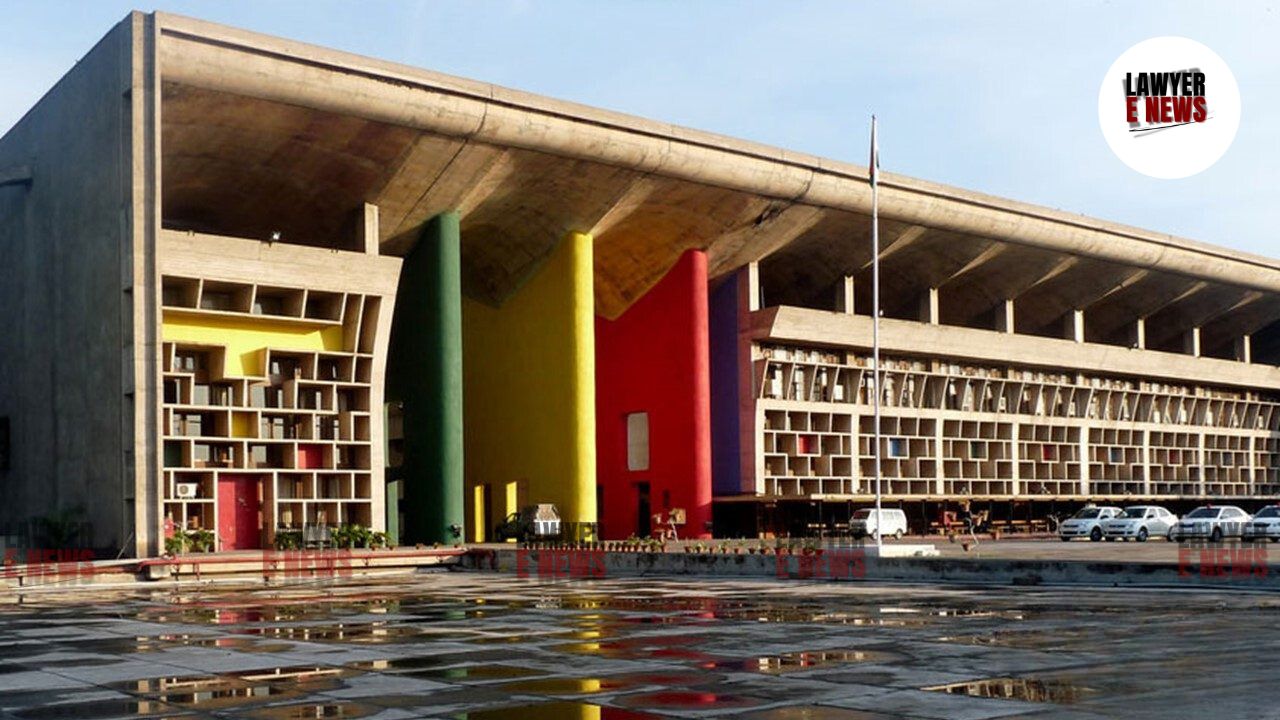
“Only plaint averments are relevant in Order 7 Rule 11 applications; disputed facts, custom and limitation must be proved through evidence” – Punjab and Haryana High Court, in a significant ruling upholding the scope of preliminary objections in civil suits, dismissed a revision petition challenging the trial court’s refusal to reject a plaint filed in 2021 over an inheritance dispute tracing back to a mutation in 1926. The Court decisively ruled that issues such as customary law, limitation, and inheritance rights demand adjudication based on evidence and cannot be decided summarily under Order VII Rule 11 of the Civil Procedure Code.
The case involved a plea by the petitioner-defendant to reject the civil suit filed by the plaintiffs, descendants of one Nihali d/o Punjaba. The plaintiffs had sought a declaration regarding inheritance rights from Punjaba, whose estate had been mutated in favour of his brother Attru in 1926. The petitioners argued that the mutation had already settled succession as per Customary Law, which allegedly barred inheritance through daughters, and that the claim was hopelessly barred by limitation, having been raised nearly a century later.
The trial court rejected this contention, and upon a revision under Article 227 of the Constitution, Justice Nidhi Gupta upheld the trial court’s decision, declaring:
“Whether or not any Customary Law was applicable at the relevant time... can be ascertained only by way of leading cogent and convincing evidence.”
The Court firmly reiterated the principle that in adjudicating an application under Order VII Rule 11 CPC, only the averments in the plaint can be examined, not the contents of the written statement or the petitioner’s version. It stressed that the plea of limitation, like customary inheritance rules, is a mixed question of law and fact which cannot be summarily dismissed.
Quoting the Supreme Court’s three-judge bench decision in Srihari Hanumandas Totala v. Hemant Vithal Kamat, the Court underscored:
“Whether the suit is barred by any law must be determined from the statements in the plaint and it is not open to decide the issue on the basis of any other material including the written statement in the case.”
The Court further dismissed the petitioner’s reliance on the delay of 94 years, holding that such delay, though substantial, still required factual inquiry, including the plaintiffs’ explanation, which the defendant was free to challenge during trial.
In line with precedents from Kamala v. K.T. Eshwara Sa and Eldeco Housing v. Ashok Vidyarthi, the Court emphasized that it is impermissible to test merits or consider evidence while disposing of a plaint under Order VII Rule 11.
Justice Gupta thus concluded: “Clearly, therefore, for invoking Clause (d) of Order 7 Rule 11 CPC, only the averments made in the plaint are relevant; and for that purpose there cannot be any addition or subtraction.”
With this ruling, the High Court clarified that even historical and seemingly delayed claims may proceed if the plaint discloses a triable issue, and reaffirmed the limited jurisdiction under Order VII Rule 11.
Date of Decision: 06 May 2025