-
by sayum
04 August 2026 1:39 PM







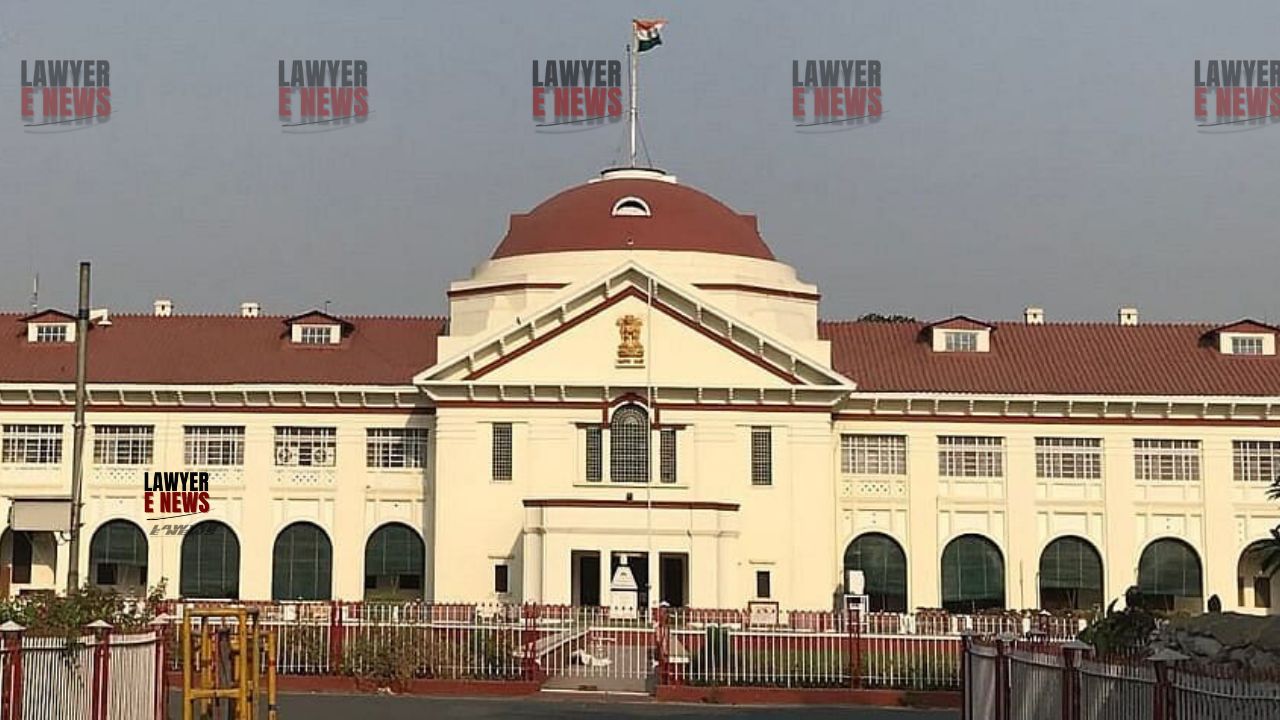
“A clear transfer of title with a clause for repurchase does not create a mortgage — absence of debt defeats the very foundation of a conditional mortgage”, - Patna High Court affirming that a deed executed in 1953 was a valid sale with a repurchase condition and not a mortgage by conditional sale under Section 58(c) of the Transfer of Property Act, 1882. Justice Arun Kumar Jha upheld the concurrent findings of the trial and first appellate courts, dismissing the appeal and denying the plaintiffs’ claim for redemption.
In doing so, the Court reaffirmed that clear and unambiguous recitals transferring ownership and rights of possession, even if coupled with an option to repurchase, do not constitute a mortgage when there is no underlying debt.
“A Right to Repurchase Does Not Convert a Sale Into a Mortgage in the Absence of Debtor-Creditor Relationship”
The litigation arose from a dispute over a document dated March 24, 1953, executed by Bibi Akikul Nisa. The plaintiffs, her descendants, claimed this document was a zerpeshgi (mortgage) with a five-year redemption clause and that the defendant, Dwarika Prasad, was only a mortgagee. They argued that upon non-acceptance of the repayment after expiry, they tendered the money through court under Section 83 of the Transfer of Property Act and sought redemption of the property.
The defendants, descendants of Dwarika Prasad, contended that the deed was a registered sale with a right to repurchase, not a mortgage, and that the property was transferred absolutely after consideration of ₹7337, of which ₹3200 was adjusted from an earlier 1950 mortgage.
The trial court and appellate court both ruled in favour of the defendants, holding that the document was a sale deed, not a mortgage. The plaintiffs then approached the High Court under Section 100 CPC.
“Document Must Reflect Debt to Qualify as Mortgage; Mutation, Possession and Full Title Transfer Support Outright Sale”
Justice Arun Kumar Jha’s judgment revolved around a singular but complex question: Does the 1953 document amount to a mortgage by conditional sale or a straightforward sale with repurchase rights?
Referring to the foundational ruling in Pandit Chunchun Jha v. Sheikh Ebadat Ali, the Court held: “The intention of the parties is the determining factor. If the words are express and clear, effect must be given to them and any extraneous enquiry into what was thought or intended is ruled out.”
The Court carefully examined the language of the 1953 document (Exhibit-C), observing that it unequivocally transferred all rights to the purchaser, allowed him to mutate his name, pay taxes, and enjoy possession as owner.
As the Court noted: “Such complete divestment of ownership and mutation rights is wholly inconsistent with the idea of a mortgage. A mortgagor does not abandon all future claims or authorize the mortgagee to become a recorded owner.”
On the plaintiffs’ contention that the transaction should be seen as a loan arrangement because of the buyback clause, the Court firmly rejected this:
“There is no debtor-creditor relationship. There is no interest clause. The vendor parted with ownership, not merely possession.”
The Court further stated: “A conditional repurchase clause cannot on its own transform an absolute sale into a mortgage, especially when the document bears no ambiguity and no residual right of redemption exists beyond the specified period.”
“In Absence of Ambiguity, Oral Evidence Has No Role — Deed Speaks for Itself”, Says Court
The plaintiffs also argued that the courts below erred in discarding oral evidence that allegedly supported their version. The High Court ruled that where the document’s language is unambiguous, oral testimony is irrelevant.
Quoting from the precedent, the Court reiterated: “When the recital is unambiguous, there is no need to look into surrounding circumstances or oral testimony. What matters is the legal effect of the words used, not what the parties may have intended in hindsight.”
Justice Jha also clarified that the lower appellate court fulfilled its obligations under Order XLI Rule 31 CPC, and there was no procedural flaw in rejecting oral evidence.
“Label ‘Bai Miyadi’ Doesn’t Alter Legal Character of Sale Deed with Repurchase Clause”
One of the plaintiffs' arguments was based on the deed’s reference to “Bai Miyadi” (term lease), suggesting it was a mortgage instrument. The Court dismissed this contention, emphasizing that titles and labels are not determinative when the body of the document clearly establishes an outright transfer.
Justice Jha explained: “Nomenclature is not conclusive. The document must be read as a whole. The vendor not only transferred title but expressly declared that neither she nor her heirs would retain any right or claim if the amount wasn’t repaid within five years.”
“Prior Mortgage Followed by Outright Sale with Higher Consideration Indicates Clear Intent to Sell”
The Court attached significance to the fact that the same property had been mortgaged earlier in 1950 for ₹3200. Just three years later, the same executant received ₹7337 (more than double), and the prior mortgage amount was adjusted in the new deed.
“Had it been another mortgage, it wouldn’t warrant such a drastic increase without any interest clause. It shows intention to conclude the transaction with finality.”
The High Court concluded that the 1953 deed was “a clean transfer of title with a limited window for repurchase that expired in 1958.”
In unequivocal terms, the Patna High Court held that the deed of March 24, 1953, was a sale with a right to repurchase and not a mortgage by conditional sale. The plaintiffs’ right of redemption, even if it ever existed, stood extinguished in 1958, and the suit filed in 1979 was not maintainable.
Justice Arun Kumar Jha summed it up: “There was no ambiguity in the deed. The vendor divested herself of all rights. The condition of buyback did not make it a mortgage when no debt existed. The concurrent findings of fact by both subordinate courts are sound and legally sustainable.”
Date of Decision: 20 May 2025