-
by sayum
19 August 2026 8:35 AM







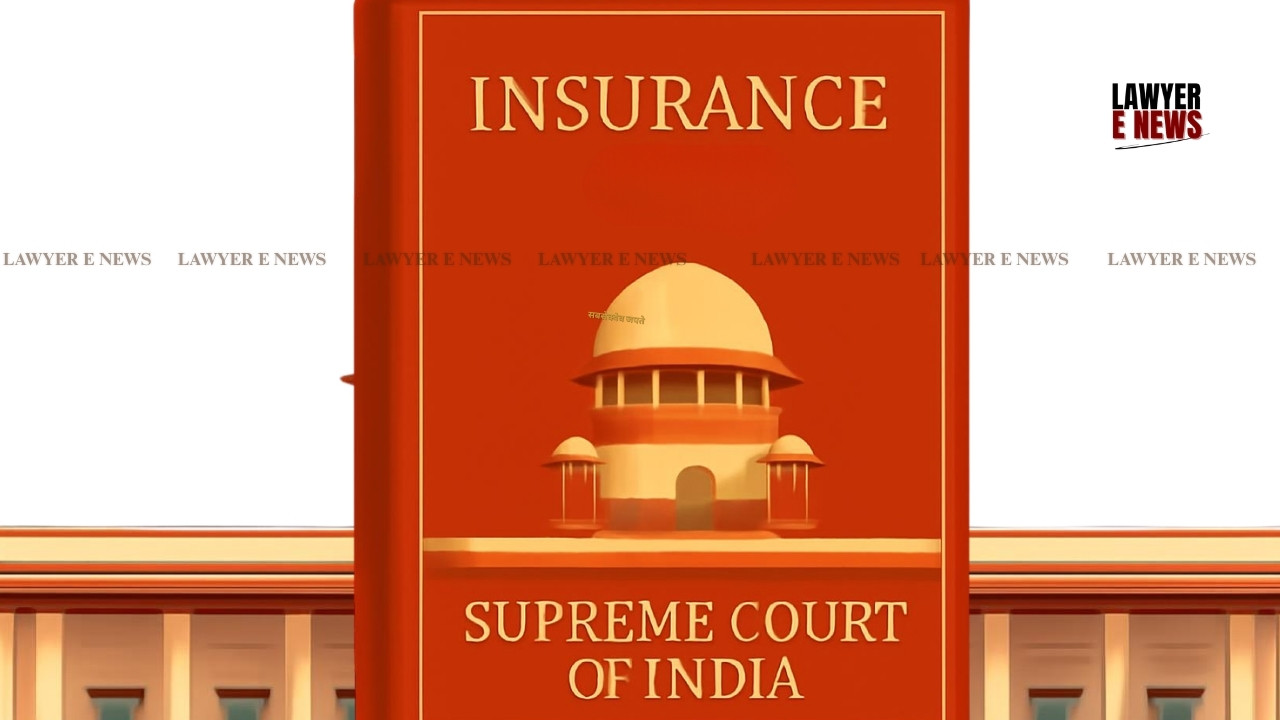
"Qua a vacancy/post under “Unreserved” category for the PWD-LV candidates, all PWD-LV candidates are equal and have similar rights even if they belong to different social reserved categories, and the most meritorious amongst them has to be preferred," Supreme Court, in a significant ruling dated April 7, 2026, held that a more meritorious Person with Disability (PWD) candidate belonging to a reserved social category is entitled to be appointed against an Unreserved PWD vacancy in open competition.
A bench of Justice Sanjay Karol and Justice Nongmeikapam Kotiswar Singh observed that the "Unreserved" category is not a separate social class but an open field, declaring that "merit is the co-attendant and inseparable attribute of appointment to any post under the 'Unreserved' category."
The dispute arose during a recruitment drive by the West Bengal State Electricity Transmission Co. Ltd. for the post of Junior Engineer. An OBC-A candidate with Low Vision (PWD-LV) who scored 66.667 marks was appointed against the sole Unreserved PWD-LV vacancy, bypassing a General category PWD-LV candidate who scored 55.667 marks. A Single Bench of the Calcutta High Court upheld the appointment, but a Division Bench subsequently reversed it, ruling that the unreserved vacancy must strictly go to the unreserved candidate if available, prompting the present appeal.
The primary question before the court was whether a vacancy horizontally reserved for the Unreserved PWD category can be filled by a more meritorious PWD candidate from a reserved social category. The court was also called upon to determine whether a recruitment condition providing for the alternate filling of vacancies creates an absolute bar against open competition by reserved category candidates.
Nature Of Unreserved Posts In Open Competition
The bench clarified that the "Unreserved" or "Open" category does not constitute a distinct communal or social pool but remains an open field available to the world at large. The court emphasized that this characteristic applies equally to horizontal reservations meant for special categories like Persons with Disabilities. When a special reservation is applied to an unreserved category, it is open to all candidates irrespective of their social category, provided they possess the required horizontal attribute.
Mobility And Merit For PWD Candidates
Relying on the landmark constitutional principles laid down in Indra Sawhney v. Union of India and Saurav Yadav v. State of U.P., the court held that the principle of migration based on merit applies squarely to horizontal reservations. The bench ruled that all PWD candidates, whether belonging to SC, ST, or OBC categories, have equal rights to compete for an unreserved PWD vacancy. The court firmly established that less meritorious unreserved candidates must give way to more meritorious reserved candidates in open competition.
"The Unreserved post/vacancy for PWD-LV is available and open to all, irrespective of the social category they may belong to, provided they also belong to the same special category of PWD-LV."
Flawed Interpretation Violates Equality Clause
The Supreme Court strongly criticized the Calcutta High Court Division Bench for presuming that an unreserved PWD post must be exclusively allocated to an unreserved candidate. The court held that interpreting the recruitment notification to create an absolute bar against meritorious reserved candidates defies the very principle of merit. The bench observed that any contrary view preventing open competition would be patently arbitrary and opposed to the equality clause enshrined under Articles 14 and 16 of the Constitution of India.
Caveat On Availing Relaxations
While cementing the rights of PWD candidates to migrate to open categories, the court introduced a critical doctrinal caveat based on precedents like Deepa E.V. v. Union of India and Union of India v. Sajib Roy. The bench explained that a reserved PWD candidate seeking appointment against an unreserved vacancy must not have availed any relaxation in the essential eligibility criteria applicable to the unreserved post. Such relaxations are confined to reserved categories and disqualify a candidate from claiming an unreserved seat.
Original Category Status Remains Intact
Addressing the broader implications of such migration, the court noted that a reserved category candidate successfully competing in the open pool retains their original social identity. The bench observed that if an OBC, SC, or ST candidate is appointed to an unreserved post by virtue of their merit, they will not lose their original identity for other purposes, nor will this migration affect the overall extent of reservation in their original category.
The Supreme Court allowed the appeal and set aside the impugned judgment of the Division Bench. The court restored the Single Bench decision, thereby validating the appointment of the more meritorious OBC-A PWD candidate to the unreserved vacancy on the basis of open competition and merit.
Date of Decision: 07 April 2026