
-
by sayum
28 August 2026 2:11 PM







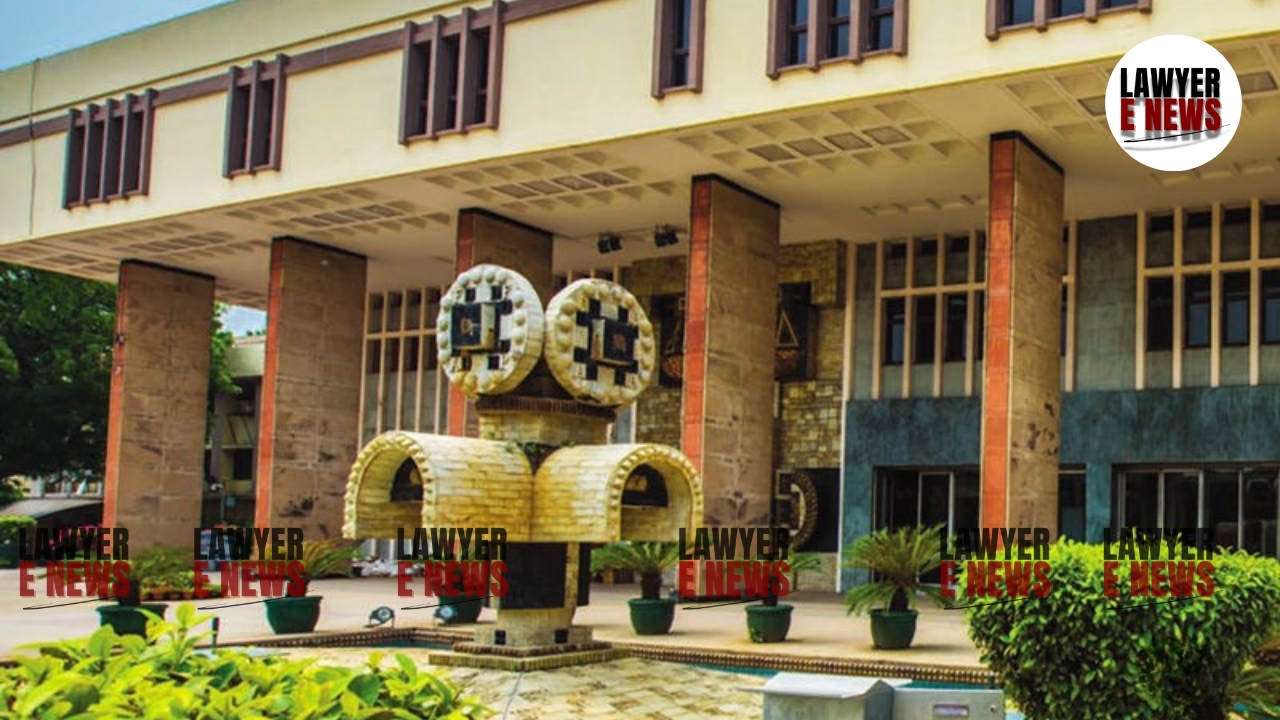
Delhi High Court refused to interfere with the conviction and sentence awarded to Liyakat Ali and Riyasat Ali in a gruesome murder case dating back to 1996, stating that the eyewitness accounts were clear, natural, and corroborated by medical evidence. The Court dismissed the appeal filed against the Judgment dated 18.02.2003 and the Order of Sentence dated 20.01.2003, by which the Trial Court had convicted the appellants under Sections 302/34 IPC for murdering one Karamatullah, who had been stabbed repeatedly in full public view over a loan dispute.
The Division Bench of Justice Subramonium Prasad and Justice Saurabh Banerjee observed: “The evidences of the eye-witnesses appear to be quite natural, straightforward and trustworthy. Moreover, the evidences of the eye-witnesses got ample corroboration from other facts established in the trial by the prosecution.”
“He Kept Demanding ₹5,000 – So We Taught Him a Lesson”: When Debt Turned into Homicide
The fatal incident occurred on 2nd May 1996, around 9:30 PM near a tea shop in Z-Block, Patel Nagar. According to Sharafatullah (PW-13), the brother of the deceased, Liyakat Ali confronted Karamatullah for repeatedly asking him to return ₹5,000—a loan amount. Humiliated, Liyakat declared he would “teach him a lesson”. Immediately thereafter, Riyasat Ali grabbed Karamatullah from behind, and Liyakat Ali delivered multiple knife blows, soon joined by Nazakat Ali, who was facing trial before the Juvenile Justice Board.
The Court noted that the entire act was witnessed by multiple persons who were known to the victim. Asgar Mahmood (PW-7) and Iftikhar Ahmed (PW-19) supported the prosecution case in detail.
The High Court found no merit in the defence argument that these witnesses were interested or unreliable:
“The testimony of witnesses cannot be disregarded merely on the basis that they are interested/related witnesses.”
“Minor Contradictions Do Not Shatter the Core Truth” – Court Rejects Defence’s List of Discrepancies as Trivial
The appellants tried to raise various contradictions in eyewitness testimonies regarding how the victim was taken to hospital, the presence of a doctor, and police arrival. However, the Court dismissed these as insignificant, holding that consistency in core facts, not peripheral details, is the test of credibility.
“It is well settled that minor discrepancies or variations in testimony do not shake the core of the prosecution’s case if the overall narrative remains intact.”
The Court further stated:
“It will be a wild imagination to suggest that in order to cook up a story by lodging an FIR within three hours, fabrication was meticulously made by the eye-witnesses.”
“A Trail of Blood and 19 Incised Wounds”: Post-Mortem Report Silences Doubt
The post-mortem examination conducted by Dr. K. Goel (PW-16) found 19 stab injuries, including deep cuts on the chest, abdomen, back, arms, and legs. The cause of death was noted as hemorrhagic shock resulting from lung and liver damage. The High Court observed that the injuries perfectly aligned with the nature and sequence of attack described by the eyewitnesses.
“The above mentioned injuries… clearly show that there were brutal stab injuries and due to the said stabbing, the deceased Karamatullah died. This is corroborated with the version of the statement of Sharafatullah (PW-13).”
Furthermore, the murder weapon (knife) was recovered at the instance of the accused, further strengthening the prosecution case.
“Conviction Under Section 302/34 IPC is Just and Fair” – No Grounds for Appellate Interference
The High Court concluded that the Trial Court had rightly appreciated the evidence, and there was no perversity or miscarriage of justice in convicting the appellants for murder. The Court observed:
“There is no material warranting a finding that the eye-witnesses had any motive to falsely implicate the accused persons on the charge of murder.”
“Upon reading the Impugned Judgment and Order of Sentence… it is clear that the conviction of the Appellants herein under Section 302/34 of the IPC is just and fair.”
Accordingly, the appeal was dismissed, and the life sentence awarded by the Trial Court was upheld, along with the direction to pay a fine of ₹10,000 each, and two years’ simple imprisonment in case of default.
“Three Eyewitnesses Who Named the Killers Immediately, a Post-Mortem That Matched Their Words, and a Recovery That Closed the Loop” – Justice Delivered After 29 Years
The judgment reinforces the judicial approach that direct, natural, and corroborated testimony stands firm even in the face of tactical defence strategies that focus on non-material discrepancies.
The High Court noted that nothing in the record suggested false implication, and that the sequence of events, evidence collection, and FIR registration all occurred promptly and legally.
“There are no serious discrepancies in the case of the prosecution… there is no reason to interfere.”
Date of Decision: 26 September 2025





