
-
by kapil
27 October 2026 6:21 AM







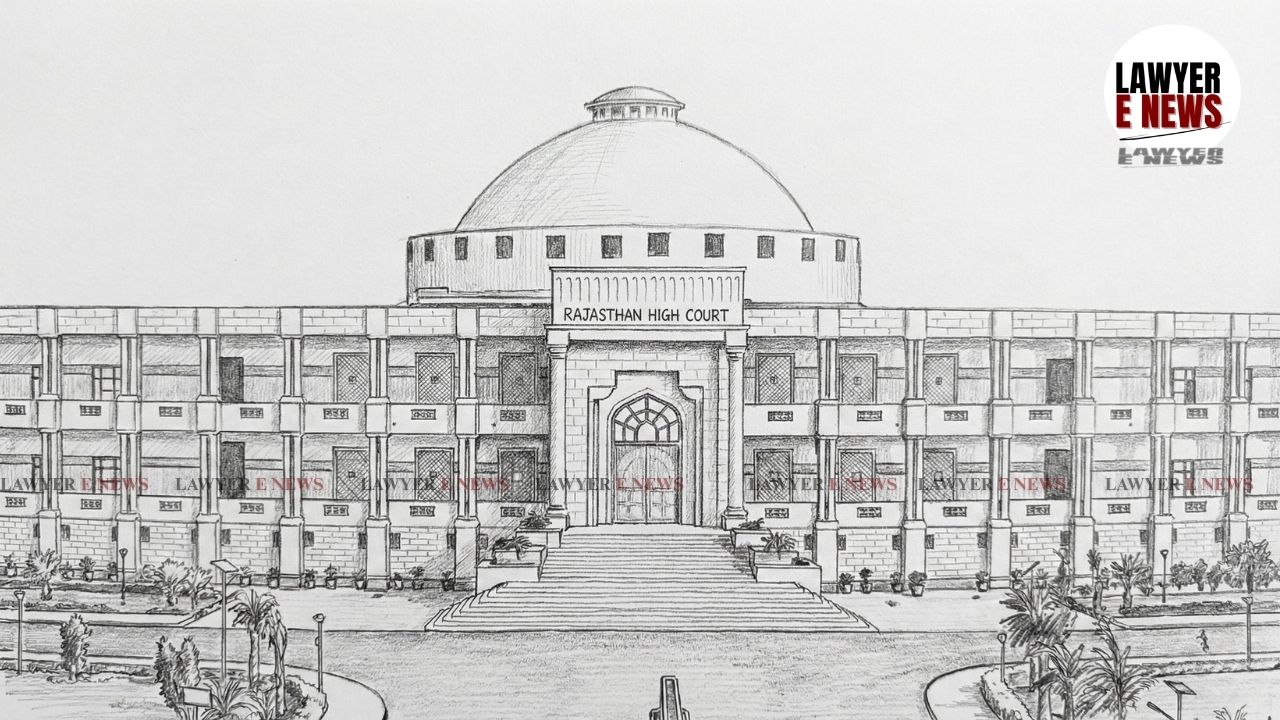
"The impugned penalty order was passed only on the basis of the recommendation of the Hon’ble Minister concerned who has no authority for the same." Rajasthan High Court, in a significant ruling dated August 13, 2026, quashed a disciplinary penalty imposed on an Executive Officer, holding that departmental proceedings cannot be dictated by the whims of political authorities when the competent authority has already found the charges to be unsubstantiated.
A bench of Justice Mukesh Rajpurohit observed that an officer’s career cannot be marred by punishment based solely on a Ministerial remark that ignores the findings of a domestic inquiry.
The petitioner, an Executive Officer-IV with the Municipal Board, Shahpura, faced a charge sheet in 2021 following a complaint from a local MLA. The grievance stemmed from an inauguration ceremony where the MLA was not invited and his name was allegedly omitted from a foundation stone, despite the officer’s contention that the omission was a result of inadvertent communication failure and not intentional malice.
Disciplinary Process Overridden
The core legal issue before the Court was whether a disciplinary authority can discard the findings of an internal inquiry—which proposed to drop the charges—merely on the basis of a non-statutory remark made by a Minister. The Court also examined the extent to which executive interference can legally influence quasi-judicial disciplinary proceedings under the Rajasthan Civil Services (Classification, Control & Appeal) Rules, 1958.
Findings Cleared The Officer
The internal department file revealed that the authorities had initially determined the officer was not guilty, noting that the invitation failure was due to technical issues and the MLA's absence from his constituency. The department had expressly proposed dropping the disciplinary action, yet this recommendation was overruled after the Minister observed that a "mere warning" was insufficient and mandated the withholding of an annual grade increment.
"No Authority For The Minister"
Justice Mukesh Rajpurohit underscored that the impugned order suffered from a total lack of application of independent mind by the disciplinary authority. The Court emphasized that once the competent authority—having reviewed the officer's explanation and the evidence—concluded that the mistake was not intentional, the disciplinary process should have terminated in favor of the petitioner.
Court Raps Executive Interference
The bench remarked that the penalty was passed in total disregard of the fact that the departmental proceedings had essentially been completed in the petitioner's favor. The Court held that the reliance on the Minister's recommendation, which lacked the character of a reasoned or authorized disciplinary order, rendered the penalty legally unsustainable.
Penalty Order Set Aside
Concluding the matter, the Court quashed the penalty order dated June 27, 2023, noting that the petitioner had already suffered career setbacks due to the pendency of the disciplinary action. The Court directed the respondents to grant all consequential service benefits to the petitioner within a period of six weeks, effectively clearing the officer's record of the stigma imposed by the politically motivated disciplinary order.
Date of Decision: 13 August 2026