-
by sayum
04 August 2026 1:39 PM







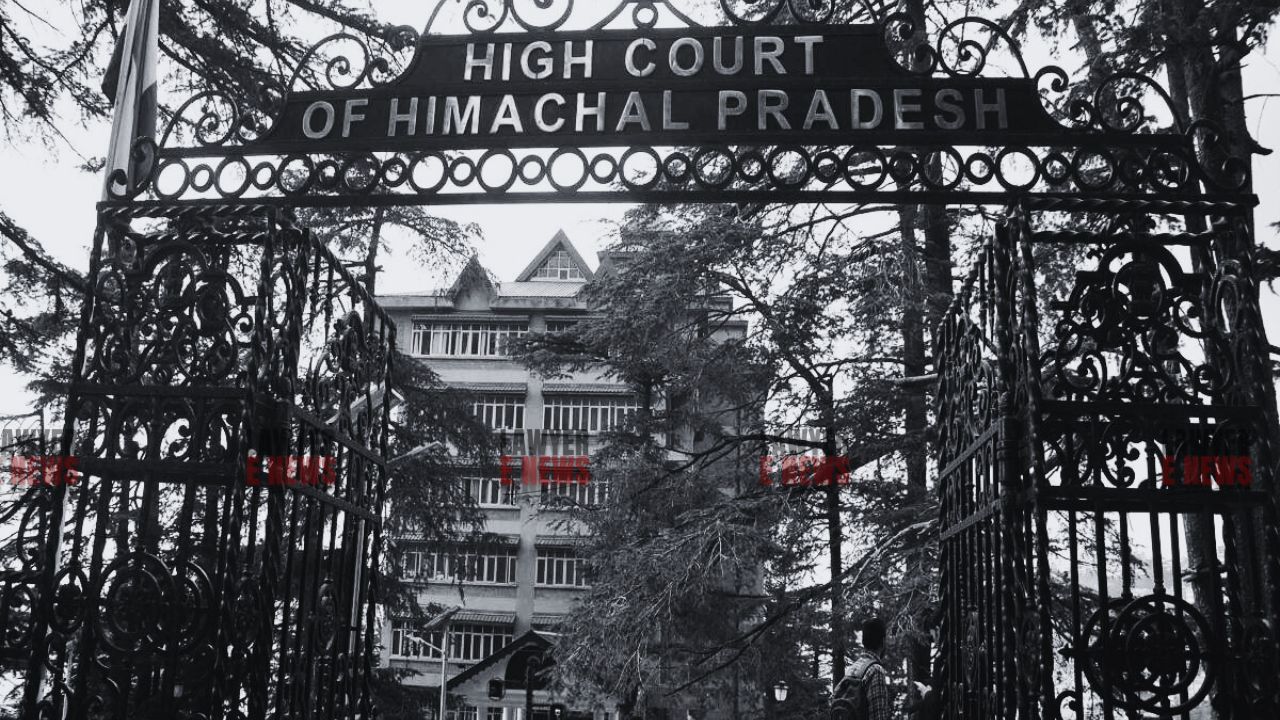
“To ensure a fair investigation, the Magistrate retains suo motu power to order further probe—even after taking cognizance,” ruled the Himachal Pradesh High Court in a significant decision upheld the order of a Special Judge refusing to discharge a retired official of the HP Milk Federation and directing the police to carry out further investigation into a long-pending case of alleged milk embezzlement worth over ₹1 lakh.
Justice Sushil Kukreja, while dismissing the criminal revision petition filed by Dharam Chand, a retired in-charge of the Milk Chilling Centre (MCC) Kataula, reiterated that the power under Section 173(8) of the Code of Criminal Procedure, 1973, remains available to the Magistrate until the trial begins. The Court emphasized that this power is rooted in the right to fair investigation guaranteed under Article 21 of the Constitution and is essential to uncovering the truth.
“Justice mandates that substantial inquiry cannot be sacrificed at the altar of procedural expediency,” the Court observed, as it upheld the direction for a further probe into the alleged misappropriation of 12,683 litres of milk valued at ₹1,07,198.
The petitioner, a retired government employee, was accused of diverting milk in transit from MCC Kataula to the Federation Unit in Chakkar, Mandi, and failing to account for the proceeds. An FIR had been registered as far back as July 1, 2002, on the basis of a complaint by a clerk in the Federation. The petitioner sought discharge on the grounds that the case was stale, the charge sheet was delayed by five years post-retirement, and the initial investigation lacked incriminating evidence.
But the Special Judge found that the question of whether milk sold in transit was duly recorded and whether the proceeds were deposited through TR-V bills in the government treasury remained unanswered and warranted further investigation. The charge sheet, therefore, was returned for fresh probe on those aspects.
The High Court affirmed this approach. Referring extensively to the Supreme Court’s ruling in Vinubhai Haribhai Malaviya v. State of Gujarat (2019) 17 SCC 1, the Court stated:
“To say that a fair and just investigation would lead to the conclusion that the police retain power to investigate but the Magistrate’s supervisory power ceases midway would amount to a travesty of justice.”
The Court rejected the petitioner’s argument that such a direction could not be passed after cognizance had been taken. It noted that “the trial had not yet commenced, and fresh facts—such as the non-deposit of milk sale revenue—required proper inquiry.”
It was observed that the investigation had been incomplete, particularly regarding whether the milk sold during transit had been remitted to the government treasury. The Trial Court was found justified in holding that “at this stage, the accused cannot be discharged, and in the interest of justice, a further investigation is warranted.”
Addressing concerns over delay, the Court remarked that while the FIR was lodged in 2002 and the petitioner retired in 2006, “a lapse in procedural timelines cannot overshadow the imperative to probe misuse of public funds.”
Citing Hasanbhai Valibhai Qureshi v. State of Gujarat (2004) 5 SCC 347, the High Court reiterated that it is open to the Magistrate to order further investigation where necessary to uncover the truth—even at the post-cognizance stage.
Finding no infirmity in the Special Judge’s order, the Court dismissed the revision petition and held: “The direction for further investigation was legally sustainable, in line with constitutional guarantees, and aimed at arriving at the truth.”
The judgment reinforces the judiciary’s proactive role in ensuring fair investigation and upholding accountability in cases involving embezzlement of public funds—even if buried under years of bureaucratic delay.
Date of Decision: 12 May 2025