Cognizance Is of the Offence, Not the Offender: Madras High Court Rejects Challenge to ED’s Supplementary Complaint in PMLA Case Acquittal in Rajasthan No Bar to Trial in Madhya Pradesh: MP High Court Rejects Double Jeopardy Plea in Antiquities Theft Case 20% Deposit Isn’t Automatic in Cheque Bounce Appeals: Right to Appeal Can’t Be Priced Out: Punjab & Haryana High Court Checks Mechanical Use of Section 148 NI Act A Child Is Not a Non-Earner: Punjab & Haryana High Court Sets New Benchmark in Compensation for Minors’ Deaths 90 Days Is Not Sacrosanct – Courts Can Permit Reply to Counter-Claim Even Beyond Prescribed Time in Interest of Justice: Punjab & Haryana High Court Magistrate Can Proceed Only for Offences Committed in India Until Sanction Is Obtained for Acts Outside India: Orissa High Court on International Financial Fraud Award Is Vitiated by Non-Consideration of Material Evidence: Orissa High Court Sets Aside Industrial Tribunal’s Wage Award in IMFA Case POCSO | Absence of Child's Name in Birth Certificate Not Fatal: Kerala High Court No One Has the Right to Impute Illicit Motives to Judges in the Name of Free Speech: Karnataka High Court Jails Man for Criminal Contempt DV Complaint Cannot Be Quashed at Threshold Under Article 227: Madras High Court Refuses to Interfere, Directs Accused to Seek Remedy Before Magistrate Recovery Wasn't From Accused's Exclusive Knowledge — Cylinder Already Marked in Site Plan Before Arrest: Allahabad High Court Acquits Man in Murder Case Setting Fire to House Where Only Minors Were Present is a Heinous Offence – No Quashing Merely Because Parties Settled: Calcutta High Court No Exclusive Possession Means Licence, Not Lease: Calcutta High Court Rules City Civil Court Has Jurisdiction to Evict Licensees Defendant's Own Family Attested the Sale Agreement – Yet She Called It Nominal: Andhra Pradesh High Court Upholds Specific Performance Renewal Not Automatic, No Evidence Of Notice Or Mutual Agreement: AP High Court Dismisses Indian Oil’s Appeal Against Eviction When Death Is Caused by an Unforeseeable Forest Fire, Criminal Prosecution Cannot Be Sustained Without Proof of Rashness, Negligence, or Knowledge: Supreme Court Proof of Accident Alone is Not Enough – Claimants Must Prove Involvement of Offending Vehicle Under Section 166 MV Act: Supreme Court Dismisses Appeal for Compensation in Fatal Road Accident Case Income Tax | Search Means Search, Not ‘Other Person’: Section 153C Collapses When the Assessee Himself Is Searched: Karnataka High Court Draws a Clear Red Line License Fee on Hoardings is Regulatory, Not Tax; GST Does Not Bar Municipal Levy: Bombay High Court Filing Forged Bank Statement to Mislead Court in Maintenance Case Is Prima Facie Offence Under Section 466 IPC: Allahabad High Court Upholds Summoning Continued Cruelty and Concealment of Infertility Justify Divorce: Chhattisgarh High Court Upholds Divorce Disguising Punishment as Simplicity Is Abuse of Power: Delhi High Court Quashes Dismissals of Civil Defence Volunteers for Being Stigmatic, Not Simpliciter Readiness and Willingness Under Section 16(c) Is Not a Ritualistic Phrase — Plaintiff Must Prove It With Substance, Not Just Words: Karnataka High Court FIR in Disproportionate Assets Case Quashed: Patna High Court Slams SP for 'Non-Application of Mind' and 'Absence of Credible Source Information' Ownership of Vehicle Linked to Commercial Quantity of Heroin – Custodial Interrogation Necessary: Punjab & Haryana High Court Denies Anticipatory Bail under Section 482 BNSS Death Caused by Rash Driving Is Not a Private Dispute — No FIR Quashing on Basis of Compromise in Section 106 BNS Cases: Punjab & Haryana High Court No Bank Can Override Court Orders: Rajasthan High Court Slams Axis Bank for Unauthorized Withdrawal from Court-Ordered FD"

Licensees Not Entitled to Co-Ownership Protections, Rules Kerala High Court in Property Dispute: Kerala High Court

07 May 2024 8:19 AM

By: Admin


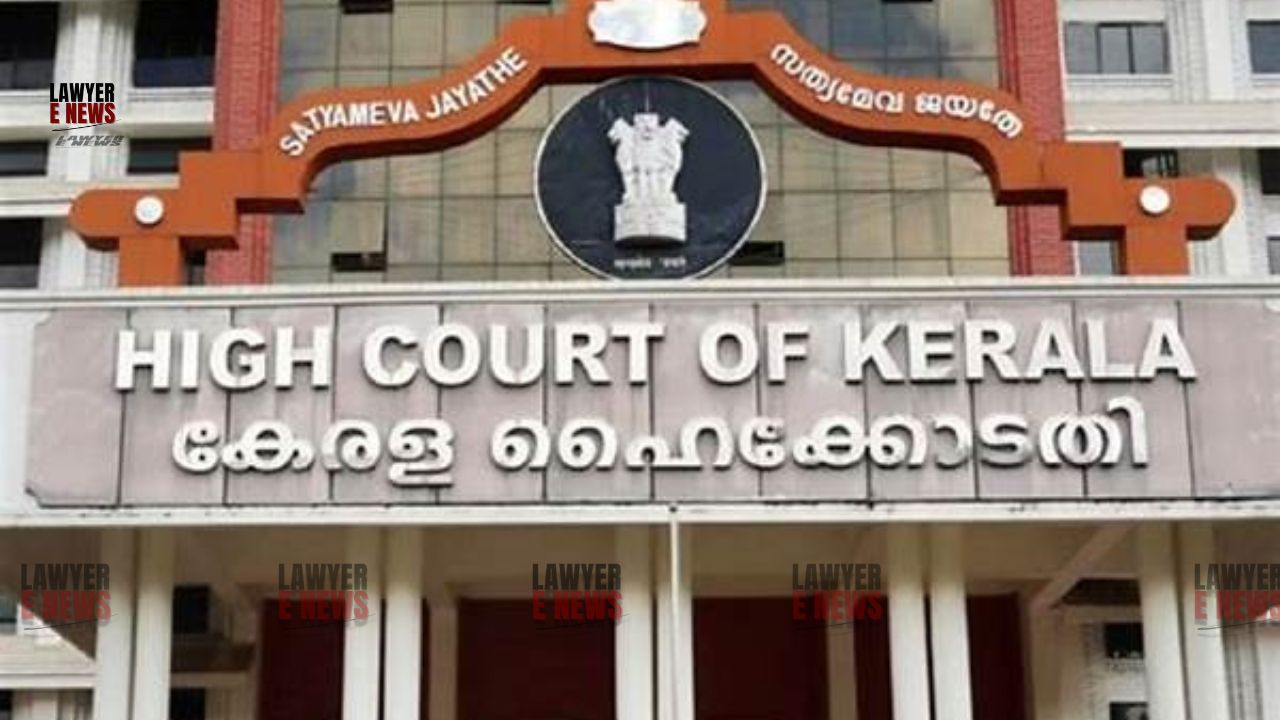
In a significant ruling, the High Court of Kerala at Ernakulam dismissed a second appeal challenging the eviction of licensees from a co-owned dwelling house. The judgment, delivered by Justice C. Pratheep Kumar, affirmed the concurrent findings of the trial court and the first appellate court. The court concluded that the defendants were licensees rather than co-owners and thus were not entitled to protection under the Transfer of Property Act.


Court Observations and Views:


Credibility of Defendants' Claims:


The court examined the defendants' claim of adverse possession and property exchange. The defendants argued that they were co-owners by virtue of an alleged exchange of properties with the original co-owner, Devaraja Gowder. However, both the trial court and the first appellate court found these claims unsubstantiated. "The defendants could not prove the exchange of properties as claimed," noted Justice Kumar.


Licensee Status:


Justice Kumar underscored that the defendants were residing in the dwelling house as licensees under Devaraja Gowder. "The status of the defendants is only as licensees and nothing more than that," he stated, rejecting the contention that they were co-owners entitled to joint possession of the property.


Legal Reasoning:


Application of Section 44 of the Transfer of Property Act:


The court emphasized that Section 44 of the Transfer of Property Act, which deals with the rights of co-owners and transferees, did not apply to the defendants since they were not co-owners. "The protection under the second paragraph of Section 44 is available only to the other co-owner, Subbayya Gowder," explained Justice Kumar.


Validity of Mandatory Injunction:


The court upheld the mandatory injunction granted by the lower courts, which directed the defendants to vacate the property. The judgment distinguished this case from typical trespasser scenarios, noting the prompt legal action taken by the plaintiffs following the termination of the license. "There is absolutely no delay in filing the suit for mandatory injunction, after the termination of the license," Justice Kumar observed.


Justice Kumar remarked, "Since the 1st defendant along with the 2nd defendant are residing in the dwelling-house in the plaint schedule property as licensees, on termination of the license, they are bound to vacate the plaint schedule property."


Decision: The High Court's decision reaffirms the legal framework governing co-ownership and licensee rights in property disputes. By dismissing the second appeal, the court highlighted the importance of distinguishing between licensees and co-owners, reinforcing that licensees cannot claim rights over the property beyond the scope of their permission. This judgment is expected to guide future cases involving similar disputes, emphasizing the necessity of clear evidence in claims of adverse possession and co-ownership.


Date of Decision: 24 May 2024


Sivalingappa Gowder @ Sivaraj Gowder (Deceased LRs Impleaded) and Others vs. N. A. Anidas


[gview file="https://lawyerenews.com/wp-content/uploads/2024/05/Kerl-24-May-24-TP-Act-Civil.pdf"]

 

Latest Legal News