-
by sayum
04 August 2026 1:39 PM







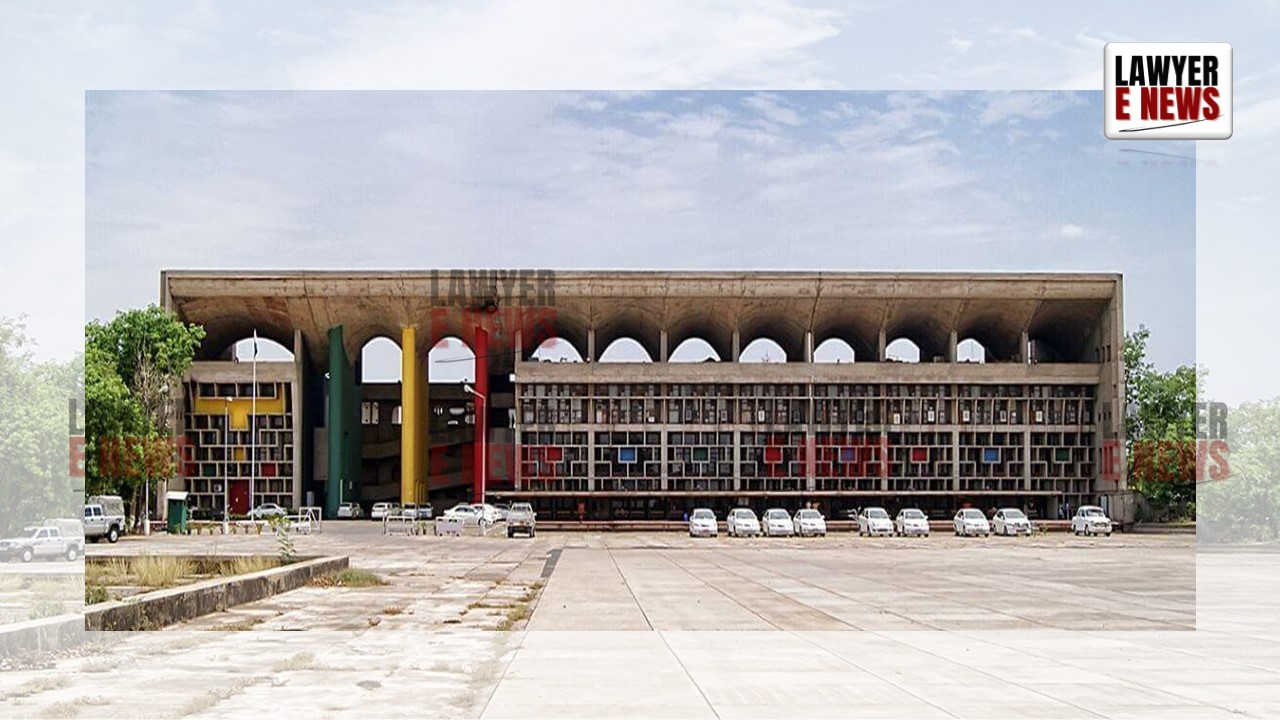
“While Conviction Stands on Firm Ground, Continued Incarceration After Three Decades Would Serve No Purpose”: Punjab and Haryana High Court upheld the conviction of four individuals under various sections of the Indian Penal Code, 1860, including Sections 420, 465, 468, 471, and 120-B IPC, for criminal conspiracy and forgery. However, in a measured exercise of revisional discretion, Justice Jasjit Singh Bedi modified the sentence of two surviving petitioners, reducing it to the period already undergone in custody, noting the extraordinary passage of 28 years since the FIR and the minimal time actually served in jail.
The Court held that: “While the prosecution has established its case beyond reasonable doubt, and no interference is warranted with the conviction, the long delay and limited incarceration justify a reduced sentence, subject to the payment of compensation.”
The criminal proceedings emanated from an FIR registered on 27.03.1997 at Police Station Ghall Khurd, District Ferozepur. The petitioners—Gura Singh, Nanak Singh, Dharam Singh, and Darshan Singh—were charged under Sections 420 (cheating), 465 (forgery), 468 (forgery for the purpose of cheating), 471 (using forged documents), and 120-B (criminal conspiracy) IPC.
They were convicted on 23.08.2007 by the Judicial Magistrate First Class, Ferozepur, and sentenced to rigorous imprisonment ranging from 8 months to 2 years, with sentences ordered to run concurrently. Their appeals were dismissed by the Additional Sessions Judge, Ferozepur on 10.02.2009. The petitioners filed revision petitions soon after, which remained pending for over 16 years, coming up for final hearing only in 2025—28 years after the FIR was registered.
Court's Observations on Conviction: “Well-Founded and Based on Evidence”
Justice Bedi clearly held that the findings of guilt recorded by the trial and appellate courts were not liable to be disturbed, remarking:
“A perusal of the facts and circumstances of this case and the material on record would reveal that the prosecution has established its case beyond reasonable doubt. Therefore, I find no merit in the revision petitions and the same stand dismissed.” [Para 12]
The Court thereby affirmed the concurrent findings of the Magistrate and Sessions Judge, refusing to revisit issues of fact or reappreciate the evidence in revisional jurisdiction.
Death of Co-Accused and Abatement of Proceedings
During the pendency of the revision petitions, two of the four petitioners—Gura Singh and Dharam Singh—passed away, leading the Court to abatement of proceedings against them as per order dated 14.05.2025.
The focus of the Court, therefore, narrowed to the surviving petitioners—Nanak Singh and Darshan Singh—both of whom submitted that they did not challenge their conviction but sought reduction in sentence on grounds of age, delay, and partial incarceration.
“Prolonged Delay of 28 Years, Custody Less Than Three Months”
While maintaining the conviction, the Court exercised compassion in sentencing. It noted that:
“The matter has come up for hearing now after more than 28 years have elapsed from the date of registration of the FIR. Therefore, while upholding their conviction, I deem it appropriate to reduce the sentence imposed on them to the period already undergone.” [Para 13]
The custody certificates placed on record revealed that:
Nanak Singh had undergone 2 months and 17 days of imprisonment, and
Darshan Singh had undergone 2 months and 13 days.
Given the substantive sentence of two years imposed earlier, the Court found it appropriate to limit punishment to time served, conditional upon each petitioner paying ₹50,000 to the Gram Panchayat, Ghall Khurd, Ferozepur.
The Court emphasized that the fine amount and the default sentence would remain intact, but no further imprisonment was warranted due to the “passage of time and mitigating circumstances”.
Balancing Guilt With Passage of Time
Justice Jasjit Singh Bedi’s decision reflects a balanced approach—affirming the rule of law by upholding the conviction, yet tempering the rigour of punishment in light of extraordinary procedural delay and humanitarian considerations.
“Justice must not only be done but done within a reasonable time. When the wheel of justice grinds so slowly that the punishment begins to lose purpose, courts must act to recalibrate it.”
The revision petitions were accordingly disposed of, with directions for payment of compensation to be communicated to the trial court.
Date of Decision: May 28, 2025