-
by sayum
04 August 2026 1:39 PM







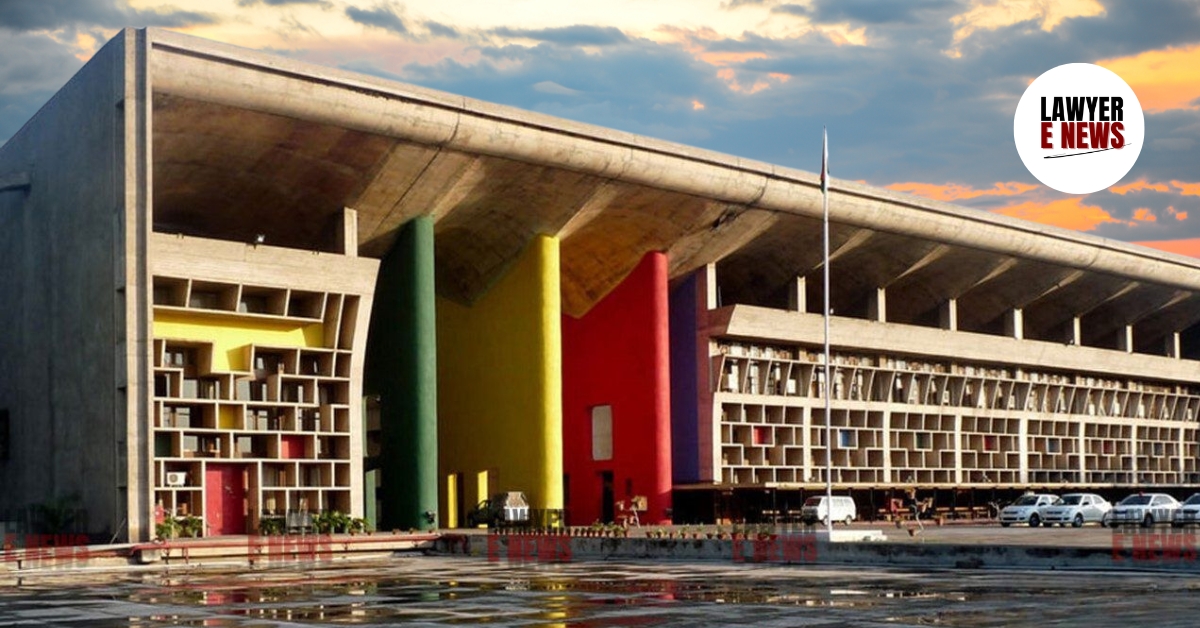
Procedural compliance and disciplinary standards upheld by High Court in constable’s dismissal case for prolonged unauthorized absence. High Court of Punjab and Haryana at Chandigarh has dismissed the appeal of a police constable challenging his dismissal from service due to prolonged unauthorized absence. Justice Namit Kumar’s judgment emphasized the importance of strict adherence to procedural rules and discipline within the police force, reinforcing that unauthorized absences without valid medical justification constitute grave misconduct.
The appellant, Surinder Pal, a police constable, was dismissed from service for unauthorized absence from duty during two periods: December 25-28, 1989, and January 22, 1990, to March 27, 1991. Despite departmental inquiries confirming his absence without valid medical evidence, the constable challenged the dismissal through the trial court and lower appellate court, both of which upheld the dismissal. Consequently, Surinder Pal appealed to the High Court, asserting procedural lapses and non-compliance with the Punjab Police Rules.
The High Court found that the appellant failed to provide any valid medical evidence to justify his prolonged absence. The court noted, “The plaintiff took the defense of illness but no medical certificate was produced, relying instead on claims of treatment by a Molvi for supernatural influences, which lacked evidentiary support.”
The court meticulously reviewed the procedural aspects of the departmental inquiry and found them to be in strict compliance with the Punjab Police Rules, 1934. Justice Kumar highlighted that the departmental inquiry was properly conducted, and the dismissal order was consistent with the established rules, particularly Rule 16.2 regarding dismissal for grave misconduct.
Emphasizing the limited scope of judicial review in disciplinary matters, the court stated, “The High Court’s jurisdiction in reviewing disciplinary actions is constrained, especially when there is no evidence of wanton or arbitrary action by the authorities.” The court upheld the findings of the lower courts, affirming that the dismissal was neither harsh nor disproportionate to the misconduct.
Justice Namit Kumar remarked, “Any undue sympathy with such type of police official may play havoc with the discipline in the police force,” underscoring the necessity for strict disciplinary standards within the police service. The court further emphasized, “The action of remaining absent from duty for prolonged periods without authorization amounts to grave misconduct, warranting dismissal under Rule 16.2 of the Police Rules.”
The High Court’s decision to dismiss Surinder Pal’s appeal reinforces the importance of discipline and procedural compliance within the police force. By upholding the lower courts’ findings, the judgment sends a strong message regarding the serious repercussions of unauthorized absences in disciplined services. This ruling is expected to fortify the legal framework governing police conduct and departmental procedures, setting a precedent for handling similar cases in the future.
Date of Decision: May 15, 2024