
-
by sayum
26 August 2026 1:49 PM







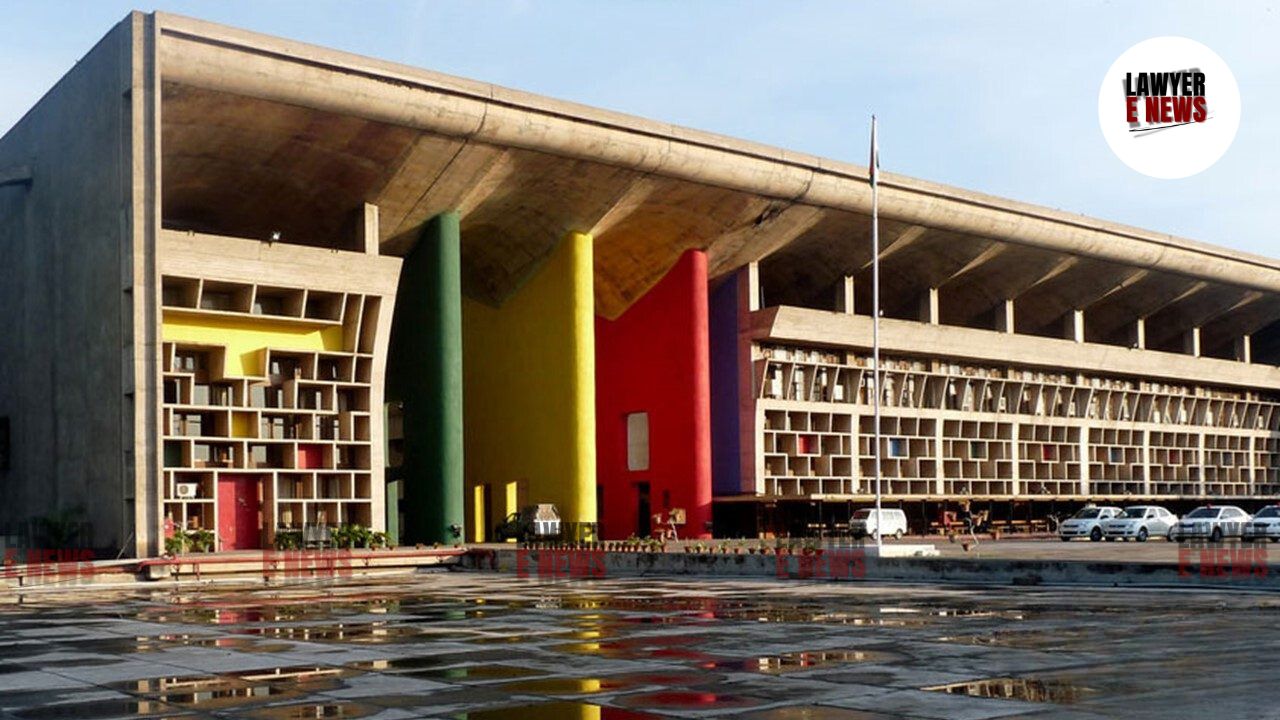
Where valuable civil rights are threatened by inaction of the authorities, recourse to the Civil Court is not barred — In a crucial ruling reasserting the supremacy of substantive rights over bureaucratic lapses, the Punjab and Haryana High Court dismissed four Regular Second Appeals filed by the State of Haryana in cases concerning disputed ownership over surplus agricultural land. Justice Deepak Gupta, who firmly held that prolonged State inaction and mere technical objections cannot override legally vested proprietary rights.
The Court declared that the plaintiffs had acquired full ownership after fulfilling statutory obligations and depositing the complete sale consideration in 1973. The State, the Court said, was estopped from reviving dormant technical objections decades later to disturb settled possession.
“Once Sale Consideration Is Deposited and Possession Is Uninterrupted, Title Cannot Be Defeated by Hyper-Technical Pleas”
The background of the appeals reveals that in 1963, the plaintiffs (including Jatiram and others) were allotted land declared as surplus under Section 20(B) of the Punjab Security of Land Tenure Act. They were inducted as tenants, and later, the land was put to auction in 1973. The plaintiffs deposited the entire sale consideration on 01.03.1973 in accordance with the order of the Tehsildar (Sales).
Despite full compliance and continuous possession without interruption or demand for rent or “batai,” the revenue records continued to describe them as tenants—a status the State later tried to exploit by proposing re-auction of the land.
“The plaintiff deposited the entire sale price in terms of the order of the Tehsildar (Sales) dated 26.02.1973… thereafter ceased paying batai… The State never raised any objection or initiated recovery proceedings. This conduct showed that even the defendants treated him as owner in possession.”
“Proprietary Rights Vested Upon Compliance; State Cannot Deny Title by Hiding Behind Lethargy of Its Officials”
The Trial Court had declared the plaintiffs to be owners in possession and restrained the State from dispossessing them or disturbing their rights. It directed the issuance of sale certificates and declared contrary revenue entries illegal. The First Appellate Court upheld the judgment on 12.11.1998, dismissing the State’s contention that the transfer was incomplete due to pending confirmation by the Settlement Officer.
Notably, the objections raised by the Settlement Officer were merely technical—such as missing lease files and uncertified revenue copies—which the Court found were curable defects not attributable to the plaintiffs.
“Failure of officials to remove minor defects could not defeat such substantive rights. The State, instead of correcting the lapse, attempted to deny the plaintiff’s rights by taking hyper-technical pleas.”
State’s Objections Rejected: “Civil Courts Have Jurisdiction to Protect Civil Rights Against Administrative Indifference”
Before the High Court, the State argued that the civil courts lacked jurisdiction, citing administrative processes under land reforms. However, the Court rejected this contention, emphasizing that judicial review is not ousted when civil rights are under threat due to bureaucratic inaction.
Justice Deepak Gupta observed:
“The plea of jurisdiction was rightly rejected on the ground that where valuable civil rights are threatened by inaction of the authorities, recourse to the Civil Court is not barred.”
The Court also emphasized that the State was estopped from denying the plaintiff’s title, especially when it failed to act for nearly two decades.
Civil Rights Trump Technical Delays in Administrative Land Transfers
The High Court, while affirming the concurrent findings of both lower courts, concluded:
“There is no merit in the appeal. This Court finds that prolonged silence of the State estopped it from denying proprietary rights to the plaintiff. The objections of the Settlement Officer being formal in nature could not override the plaintiff’s substantive right arising from payment of full consideration and continuous possession.”
Accordingly, the appeals filed by the State were dismissed with costs, and the plaintiffs' ownership was reaffirmed.
Date of Decision: 18th September 2025





