-
by sayum
19 August 2026 1:58 PM








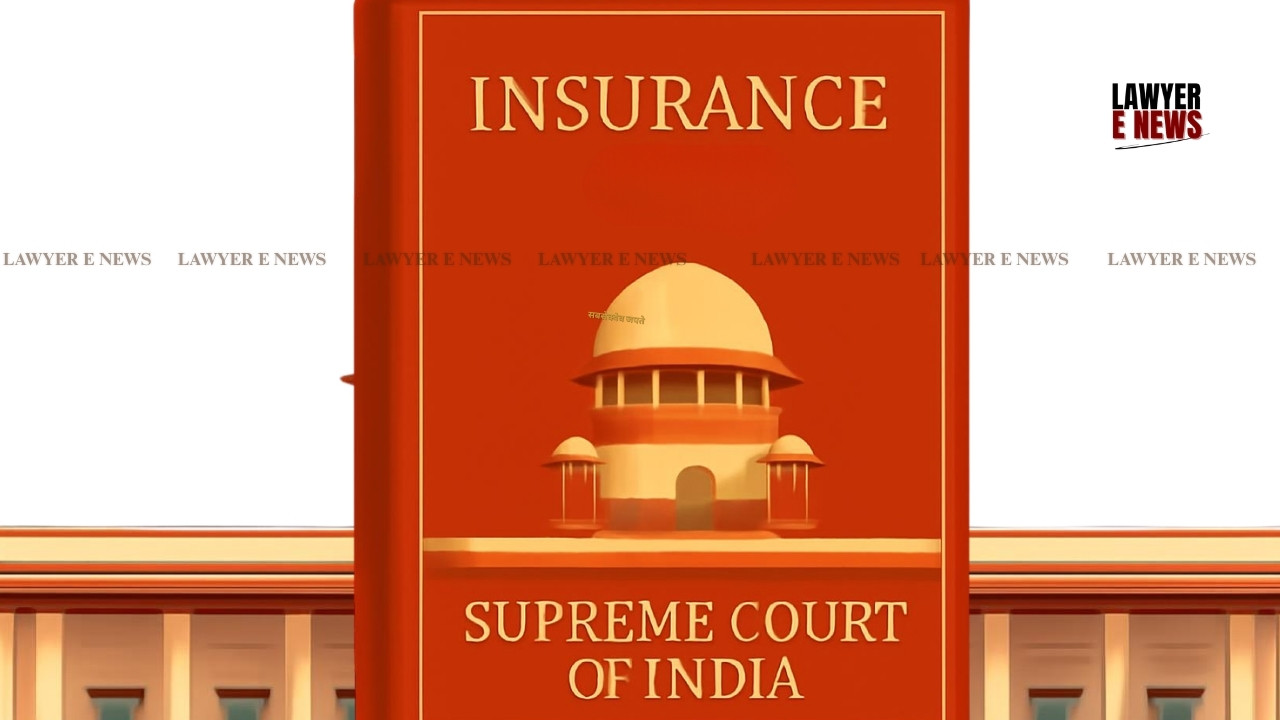
"Doctrine of estoppel cannot grant a shield to the respondent, saving them from paying the appellant’s hard-earned dues-money, which is not just handed out but given as compensation for the services rendered," Supreme Court, in a significant ruling dated April 20, 2026, held that a state employer cannot leverage its unequal bargaining power to impose fresh conditions on an employee's regularisation when a judicial mandate for the same has already attained finality.
A bench of Justice Sanjay Karol and Justice Nongmeikapam Kotiswar Singh observed that once an Industrial Court directs regularisation from the date of completion of 180 days of service, the employer cannot unilaterally defer those benefits. The Court set aside a Bombay High Court judgment and restored a Labour Court order granting over ₹8 lakh in back wages to a daily wager who fought a three-decade-long legal battle.
The appellant was appointed as a Cleaner by the Maharashtra State Road Transport Corporation (MSRTC) in 1993 but was orally terminated in 1994. After a series of litigations, the Industrial Court in 2007 directed his regularisation from the date he completed 180 days of service as per Clause 19(1) of the 1985 Settlement. Despite this, the Corporation only regularised him in 2011, imposing a fresh condition of five more years of "satisfactory service," leading the appellant to seek back wages for the intervening period of 1993 to 2011.
The primary question before the Court was whether the appellant-employee was entitled to back wages from October 1993 (the date of eligibility for regularisation) or only from the date of his actual regularisation in 2011. The Court also had to determine whether the doctrine of estoppel could prevent an employee from claiming past benefits after signing an appointment letter that ostensibly accepted a later date of regularisation.
Employer Cannot Exploit Unequal Bargaining Power
The Court took sharp aim at the Corporation's conduct in imposing new conditions for regularisation despite a clear judicial mandate from 2007. The bench noted that the appellant was regularised in 2011 only after a contempt petition was filed, yet the appointment letter sought to restart his probation period.
Court Criticizes Unilateral Imposition of Service Conditions
The bench questioned how the respondent could require a further five years of satisfactory service before regularisation when the Industrial Court had already directed regularisation effective from 1993. "If this is not a use of unequal bargaining power that the respondent, as the employer had over the former then, we do not know what may qualify as such," the Court observed.
Doctrine of Estoppel Does Not Shield Employers From Paying Dues
The Corporation argued that since the appellant had signed the appointment letter in 2011, he was estopped from claiming benefits from a prior date. The Court rejected this, noting the appellant’s continuous struggle since 1994 to secure his rights.
Hard-Earned Dues Are Compensation for Service, Not Charity
The Court emphasized that the money claimed by the employee was compensation for services rendered and could not be denied through technical pleas of estoppel. The bench held that the doctrine of estoppel cannot be used as a shield by an employer to avoid paying hard-earned dues to an employee who has rendered continuous service since 2003.
Finality of Judicial Orders Must Be Respected
The Court highlighted that the 2007 order of the Industrial Court, which directed regularisation from the completion of 180 days of service, was never challenged by the MSRTC. Consequently, those findings had attained finality and could not be ignored by the High Court in the impugned judgment.
Court Restores Back Wages While Adjusting Interest Rates
While the Court found the appellant fully entitled to the back wages of ₹8,09,218/- as calculated by the Labour Court, it took a pragmatic view regarding the interest component. Considering the financial implications of the long duration of the dispute, the bench modified the interest rate.
Interest Reduced From 12% to 8% to Balance Equities
The bench reduced the interest component from 12% to 8% per annum, provided the payment is made within eight weeks. However, the Court warned that if the respondent fails to comply with the timeline, the original interest rate of 12% shall stand revived automatically.
The Supreme Court allowed the appeal, setting aside the High Court's order and restoring the Labour Court’s award. The bench concluded that the appellant was entitled to the fruits of his legal victory from 1993 and awarded him litigation costs of ₹1,00,000/- for the prolonged ordeal.
Date of Decision: 20 April 2026