-
by sayum
28 August 2026 10:07 AM







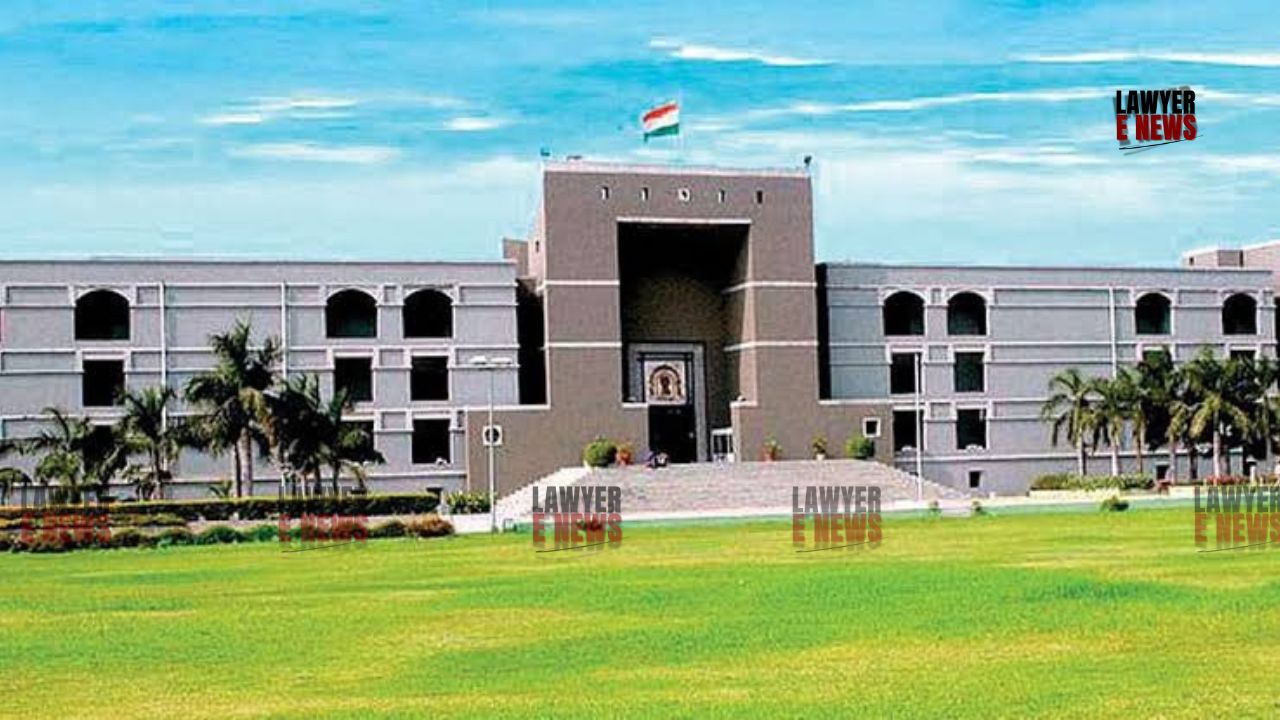
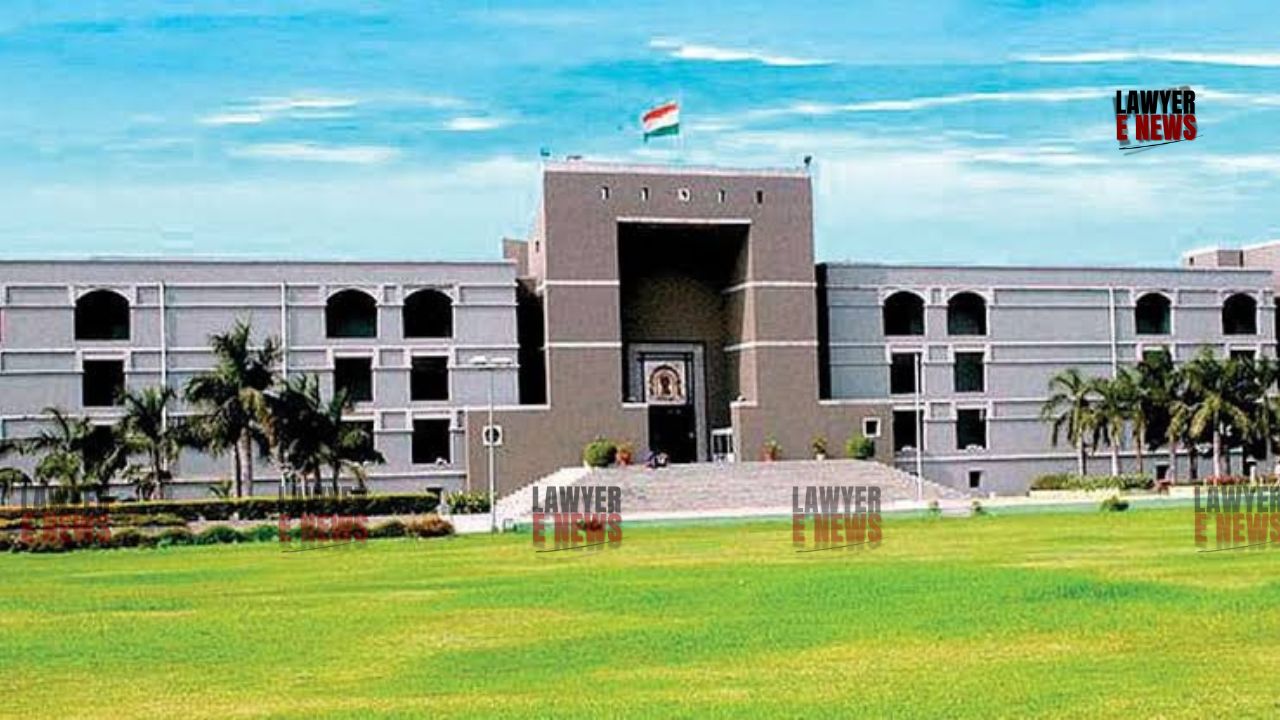
“Prima Facie Involvement in Corruption Racket Using Shared Excel Sheets Is Enough to Put Accused on Trial …At the stage of considering discharge under Section 239 CrPC, the Court is not to hold a mini-trial or evaluate the sufficiency of evidence. It is only to see whether the charge is groundless — and in this case, it is not," held the Gujarat High Court while refusing to discharge a former call centre operator accused of abetting the extortion of bribes through data-sharing with cybercrime officials.
Justice R. T. Vachhani dismissed a plea filed by Deep Rajendrakumar Shah, seeking discharge under Section 239 of the Criminal Procedure Code, 1973, in an Anti-Corruption Bureau (ACB) Special Case involving charges of criminal conspiracy, extortion, forgery, and abetment of corruption.
The Court held that prima facie material, including witness statements, WhatsApp chats, and destruction of evidence, indicated Shah’s active complicity in supplying confidential banking data used to freeze accounts and extract illegal gratification, justifying the continuation of the trial.
“Discharge Cannot Be Granted Where Material Discloses Reasonable Suspicion of Offence”: High Court Upholds Trial Court’s Reasoning
The petitioner, Deep Rajendrakumar Shah, had sought discharge from a criminal case registered under Sections 7 and 12 of the Prevention of Corruption Act, 1988, and Sections 167, 465, 467, 471, 385, 389, 114, and 120-B of the Indian Penal Code, 1860, alleging his role in a criminal conspiracy involving extortion from bookies by officials of the Cyber Crime Cell, Junagadh.
The allegation was that Shah, who operated a call centre named "Friendship Club," had created and forwarded Excel sheets containing details of more than 300 bank accounts, allegedly linked to betting operations. These details were used by cybercrime officers to freeze accounts and demand bribes for their release. Shah allegedly destroyed his mobile phone after forwarding the data, a fact corroborated by co-workers and other witnesses.
Dismissing the revision, the High Court reaffirmed the principle that: “If the material on record, taken at face value, creates a strong suspicion of commission of offence, the accused must face trial. This is not the stage for evaluating the strength of the prosecution's case.”
Corruption Allegations Arising from Data Misuse and Extortion Demands
The case originated from a complaint filed by Kartik Bhanderi, who alleged that Cyber Crime Cell officers had demanded ₹25 lakh to unfreeze his bank account, which had been blocked without due process. During the ACB’s investigation, it was discovered that hundreds of accounts had been similarly frozen, allegedly based on data provided by Shah.
Statements from key witnesses, including Shreyaben Tiwari, a former employee at Shah’s call centre, revealed that Shah had instructed the preparation of Excel sheets containing account information of 619 individuals, which were forwarded to co-accused via WhatsApp. After the data was shared, Shah allegedly destroyed the mobile phone used, an act the Court viewed as deliberate destruction of potential evidence.
“It would also appear from the statements... that after providing and sharing the aforesaid information to the main perpetrators, the petitioner–accused had destroyed the mobile phone... by throwing it into the sea,” the Court noted.
Scope of Discharge Under Section 239 CrPC
The High Court reiterated settled law that the discharge stage is not meant for weighing evidence or examining defences. Citing State Through DSP v. R. Soundirarasu, (2023) 6 SCC 768, the Court emphasized:
“Section 239 envisages a careful and objective consideration of the question whether the charge against the accused is groundless... But the Court is not to conduct a mini-trial or enter into the merits of the defence.”
The word “groundless”, the Court held, means that even if the prosecution's materials are accepted as true, they do not make out any offence. That threshold was not met in Shah's case.
“Here, the materials placed in the form of charge-sheet, WhatsApp chats, and witness statements clearly show that the charge is not groundless,” the Court ruled.
Material on Record Justifies Trial
The Court held that witness statements — particularly that of Shreyaben, who admitted preparing Excel sheets at Shah’s behest — combined with corroborative statements from other employees and digital records, justified Shah’s implication in the criminal conspiracy.
“Prima facie, there appears to be ample material at least to put the petitioner–accused to trial,” the Court stated.
The Court also noted the destruction of Shah’s mobile phone, which suggested consciousness of guilt and effort to eliminate digital evidence.
Revisional Jurisdiction Cannot Be Invoked to Re-Appreciate Evidence
On the scope of its own revisional powers under Sections 397 and 401 CrPC, the High Court reminded that such powers do not permit a re-evaluation of evidence unless the findings of the lower court are perverse or legally infirm.
“Revisional power cannot be equated with appellate power. A revisional court cannot undertake meticulous examination of the material on record as it is undertaken by the trial court or the appellate court,” the Court cited from Munna Devi v. State of Rajasthan, (2001) 9 SCC 631.
Since the trial court had applied the correct legal standards, and no procedural or jurisdictional error was shown, the High Court declined to interfere.
Prima Facie Offence Made Out—Discharge Denied, Trial Must Proceed
In conclusion, the Gujarat High Court upheld the order of the Special ACB Court refusing to discharge Shah under Section 239 CrPC. The Court found that the evidence presented in the charge-sheet, including WhatsApp chats, Excel files, and statements from co-workers, established a prima facie case warranting trial for conspiracy and abetment of corruption.
“Nothing sort of any material seems to have been shown by the petitioner–accused to demonstrate that the charges are groundless,” Justice Vachhani observed.
The Court also rejected a post-judgment request to extend interim relief, noting that no interim arrangement was operative at the time.
Date of Decision: October 3, 2025