-
by sayum
28 August 2026 10:07 AM







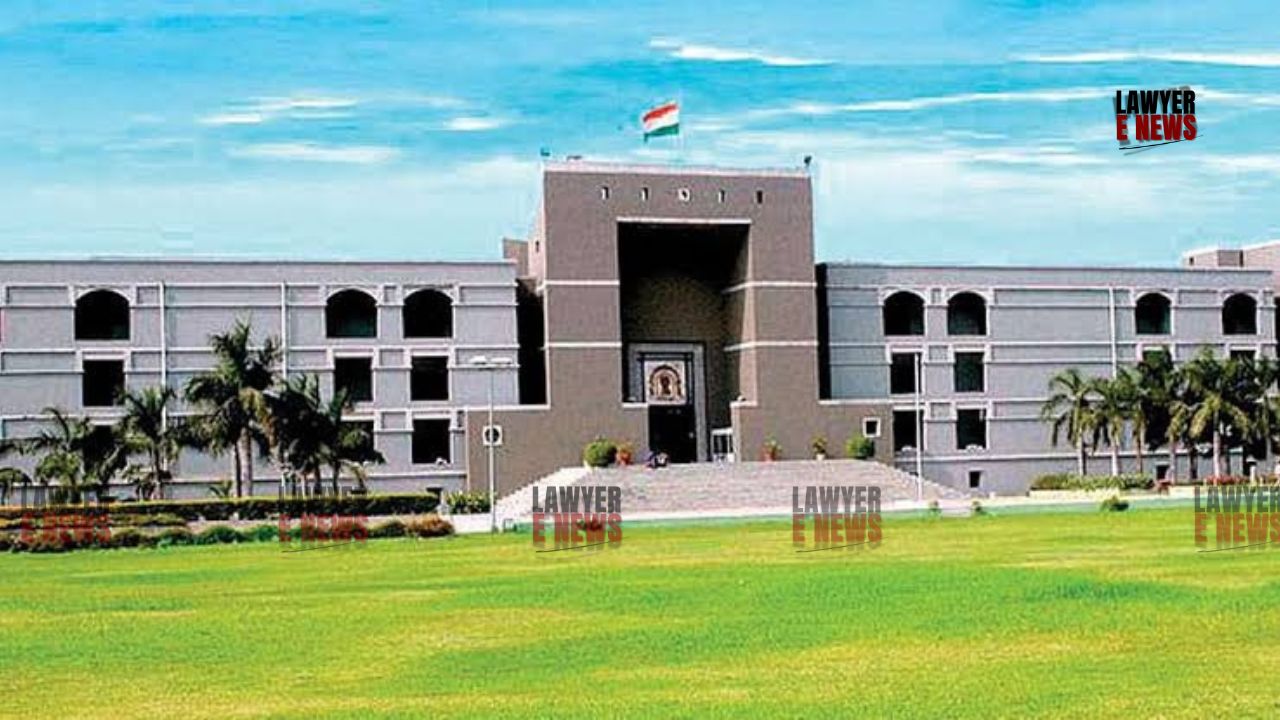
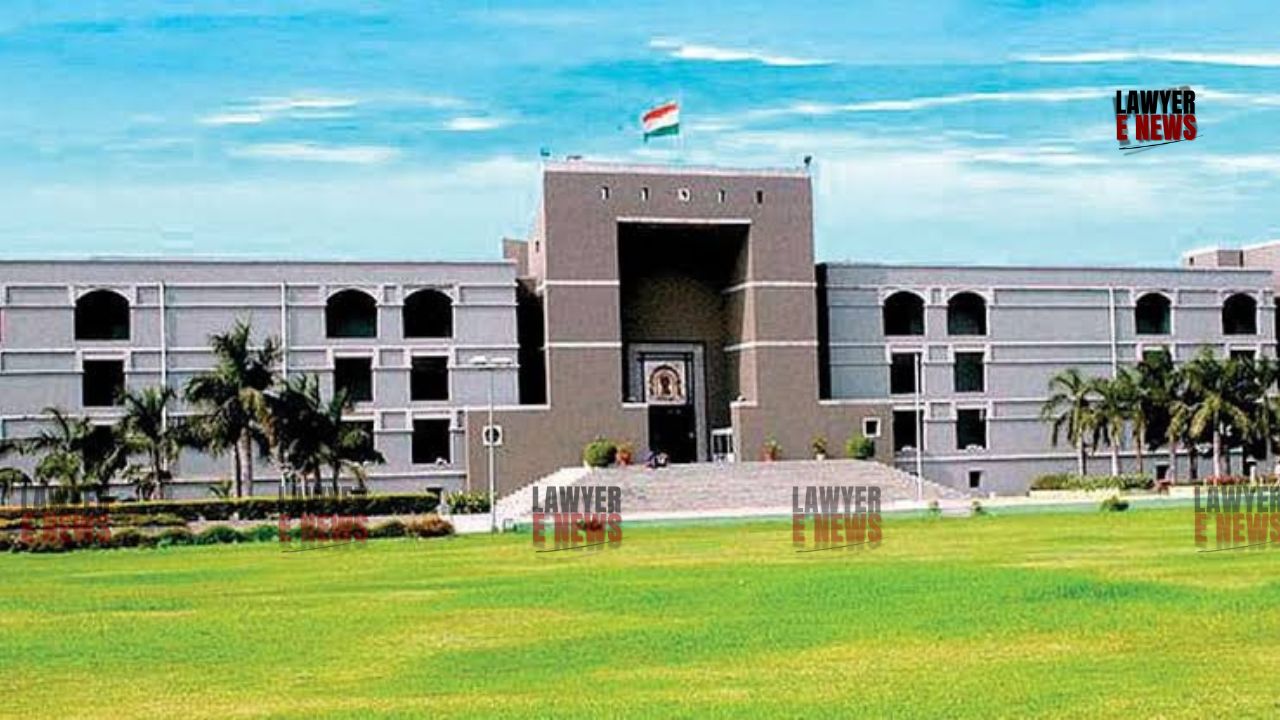
“Without Clear Mens Rea and Proximate Instigation, Conviction Under Section 306 IPC Cannot Be Enhanced” – In a significant reaffirmation of the jurisprudence around Section 306 IPC dealing with abetment of suicide, the Gujarat High Court dismissed an appeal filed by the State of Gujarat seeking enhancement of sentence against a husband convicted for abetting his wife’s suicide. The Court held that harassment or cruelty alone is not enough to establish mens rea necessary for a harsher sentence under Section 306, particularly in the absence of any direct incitement or proximate triggering act.
“The intoxication of the husband had not been proved. Even if established, being under the influence of liquor blurs the mental state and cannot be construed as a conscious instigation to commit suicide.” [Para 31]
The judgment by Hon'ble Ms. Justice Gita Gopi confirmed the conviction under Sections 498A and 306 IPC, but rejected the State’s appeal under Section 377(3) Cr.P.C. for enhancement of sentence, holding the original punishment of three years' imprisonment to be just and legally sustainable.
“Mens Rea Is the Core of Abetment – Continuous Harassment Without Intent or Provocation Not Enough”
The case revolved around a tragic incident where the wife, Hansaben, set herself ablaze after a quarrel with her husband, Gomanbhai Prajapati, on 19 July 2007. It was the couple’s second marriage, a love marriage, and the deceased had children from her earlier marriage who were residing with her estranged family. The prosecution alleged habitual cruelty and physical abuse by the husband, often under the influence of alcohol, as the cause of suicide.
The Court, however, clarified that while domestic cruelty may trigger emotional distress, to constitute abetment of suicide, the law requires a clear proximate act of instigation or intent to drive the victim to suicide.
“To bring conviction under Section 306 IPC, it is necessary to establish a clear mens rea by the instigating of the accused leaving the victim with no other option except to commit suicide.” [Para 28]
The Court extensively cited recent Supreme Court precedents, including Abhinav Mohan Delkar v. State of Maharashtra (2025), and observed:
“However harsh or severe the harassment, unless there is a conscious deliberate intention, mens rea, to drive another person to suicidal death, there cannot be a finding of abetment under Section 306.” [Para 22]
“Dying Declarations Were Reliable – But Not Sufficient to Prove Intent to Instigate Suicide”
The prosecution relied heavily on two dying declarations of the deceased: the complaint recorded at the hospital and a formal dying declaration before the Executive Magistrate. Both documents corroborated that the husband had physically abused the deceased after consuming alcohol.
The Court did not question their admissibility or credibility, holding:
“The complaint was recorded in presence of the Medical Officer and no prompting or tutoring was alleged. It is admissible as a dying declaration.” [Para 13]
However, it also noted:
“The statements record past quarrels and abuse, but they do not indicate any direct, immediate provocation or threat that would meet the threshold of instigation.” [Para 21]
“Mental and Emotional State of Victim Alone Cannot Shift Legal Burden – Courts Must Trace Intent in Accused’s Conduct”
The Court took note of the victim’s isolation from her own family, joblessness of the husband, and the lack of any direct involvement from the maternal side during trial or even to claim the body.
“There were multiple things that were bothering the deceased. The accused as husband would not have intended the suicide of wife.” [Para 31]
Citing Pal v. State of West Bengal and Ramesh Kumar v. State of Chhattisgarh, the Court reiterated that instigation requires a deliberate act or omission designed to push the deceased into taking their life.
“A word uttered in a fit of anger or emotion without intending the consequences to actually follow cannot be said to be instigation.” [Ramesh Kumar, Para 20 – cited in Para 26]
The Court emphasized that judicial sensitivity to victim trauma must be balanced with strict adherence to legal standards for criminal conviction, particularly in appeals seeking sentence enhancement.
“Sentence Not Inadequate – Trial Court Was Right in Its Discretion”
The State, represented by Additional Public Prosecutor Ms. Monali Bhatt, argued that the sentence of three years was inadequate in light of the grave cruelty and burn injuries sustained by the wife. It invoked Section 113A of the Indian Evidence Act to draw presumption of abetment, asserting that leaving the victim unattended at the time of suicide itself showed intentional abandonment.
However, the Court rejected this logic, holding that:
“The husband’s mental state of understanding the consequences of his conduct would get blurred because of his being under the influence of liquor. Thus, his escape cannot be considered a conscious act of instigation.” [Para 21]
Ultimately, the Court concluded:
“The sentence which has been passed against the accused is sufficient and proper and hence, this Court finds no reason to interfere with the judgment and order of the learned trial Court.” [Para 32]
“Every Suicide Tragedy Does Not Imply Legal Guilt – Intention to Provoke Must Be Proved”
This judgment brings into focus a growing line of precedents that caution against automatically attributing legal culpability to close relations in suicide cases. As the Court quoted from Kumar @ Shiva Kumar v. State of Karnataka:
“There can be myriad reasons for a man or a woman to commit or attempt to commit suicide… it may not always be the case that someone has to abet commission of suicide.” [Para 29]
Without Mens Rea and Proximate Instigation, Abetment of Suicide Not Made Out
The Gujarat High Court’s judgment underscores the fine line between cruelty and abetment, and the necessity for courts to identify a direct causal link between the accused’s actions and the deceased’s decision to commit suicide. Mere allegations of abuse, unless backed by clear intent, cannot justify sentence enhancement under Section 306 IPC.
While the emotional context and social realities surrounding the suicide were acknowledged, the Court held firm that criminal liability must rest on demonstrable intention and instigation, not just moral culpability or presumption.
Date of Decision: 6 October 2025