-
by sayum
15 August 2026 10:03 AM







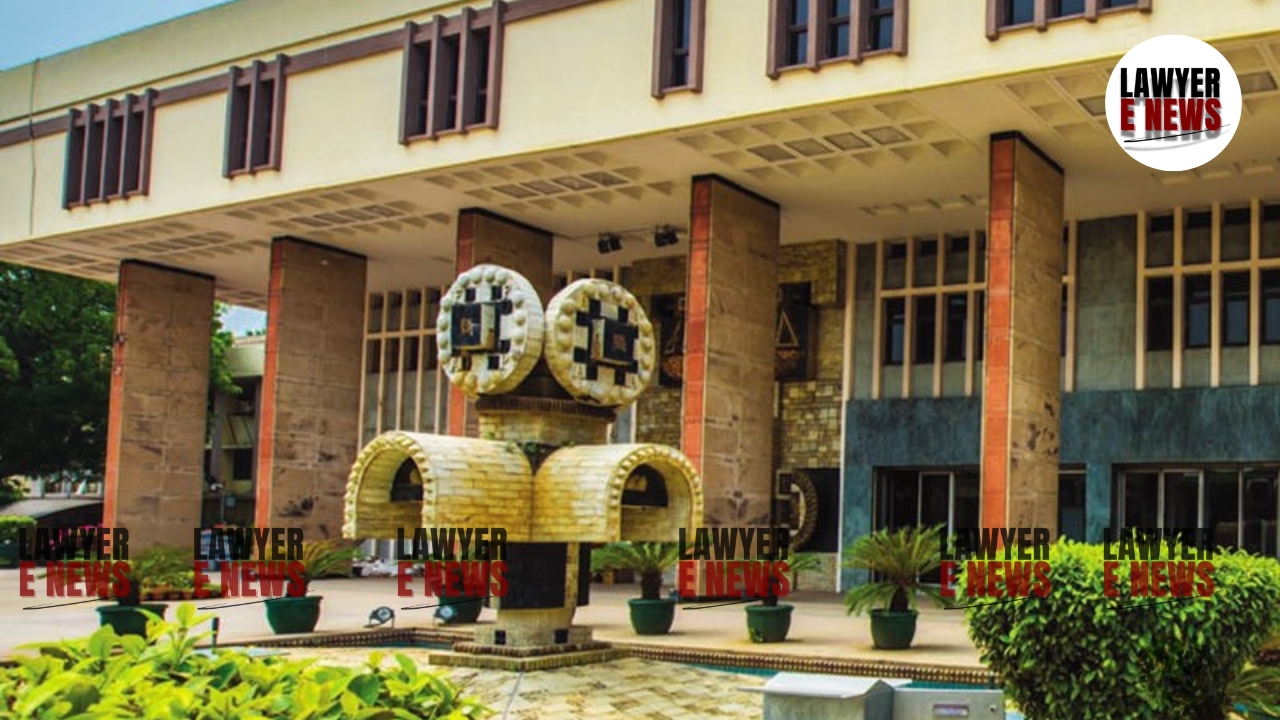
"Moreover, to assume that what someone may publish would be defamatory, is egregiously hypothetical and presumptive; and therefore cannot be the basis of a court injunction." Delhi High Court, in a significant ruling dated July 20, 2026, held that courts cannot issue prospective gag orders to restrain media organisations from publishing future articles.
A bench of Justice Anup Jairam Bhambhani vacated an earlier ad-interim direction that had restrained news portal 'The Wire' from publishing any similar defamatory content against former Delhi Chief Secretary Naresh Kumar. The Court observed that a judicial body cannot act as a soothsayer to predict what an author might write next.
The controversy stems from an article published by The Wire in November 2023, which alleged a conflict of interest involving Naresh Kumar's son and a land over-valuation case related to the Dwarka Expressway. Aggrieved by the publication, the then Chief Secretary filed a civil defamation suit. In November 2023, a predecessor bench of the High Court ordered the portal to take down the specific article and further directed it not to post, circulate, or publish any similar defamatory content against the plaintiff in the future.
The primary question before the court was whether a defamation suit filed by a public official regarding acts relevant to the discharge of their official duties is maintainable. The court was also called upon to determine whether a blanket pre-trial injunction against future, unidentified publications violates the constitutional mandate of free speech and amounts to an impermissible gag order.
Suit By Public Official Maintainable
Addressing the maintainability of the suit, the court examined the Supreme Court's landmark ruling in R. Rajagopal v. State of T.N., which restricts public officials from suing for damages over acts related to their official duties. However, the bench noted that this rule is not absolute. A public official can maintain an action if they can establish that the publication was made with a "reckless disregard for truth" or was actuated by personal animosity and malice.
Triable Issue On Reckless Disregard For Truth
The court observed that Naresh Kumar had specifically pleaded that he personally initiated disciplinary and administrative action against the delinquent District Magistrate involved in the land over-valuation months before the article was published. The bench noted that the news portal had completely omitted these actions from their report. The court held that whether this omission amounted to a reckless disregard for truth is a factual matter that can only be adjudicated during a full trial.
Prior Restraint On Media Impermissible
Turning to the issue of the prospective gag order, the court strongly disapproved of the earlier direction that restrained the portal from publishing any similar content in the future. Relying on the internationally recognised "Bonnard Standard" and the Supreme Court's decision in Bloomberg Television Production Services India v. Zee Entertainment, the bench emphasized the necessity of balancing free speech with the right to reputation. The court held that granting pre-trial injunctions against anticipated publications severely stifles public debate.
Courts Cannot Act As Soothsayers
The bench underscored that a statement that is derogatory in fact may not necessarily be defamatory in law, as authors have well-recognized legal defenses such as truth, fair comment, and privilege. Holding that a prospective injunction is legally untenable, the court observed that it is impossible to pre-judge the legal nature of an unwritten article. The judge noted that an over-broad direction based on a hypothetical situation cannot be sustained in law.
"No matter how perspicacious a court may be, it cannot act as a soothsayer and predict what an author may publish next, and presume it to be offensive to a party, and thereby gag what is yet to be put-out in the public."
Consequently, the High Court held that the civil defamation suit filed by the former Chief Secretary is maintainable and will proceed to trial. However, the bench recalled and deleted paragraph 30(iii) of the earlier November 2023 order, which had operated as a blanket prior restraint preventing the media portal from publishing future content about the plaintiff.
Date of Decision: 20 July 2026