-
by sayum
04 August 2026 1:39 PM







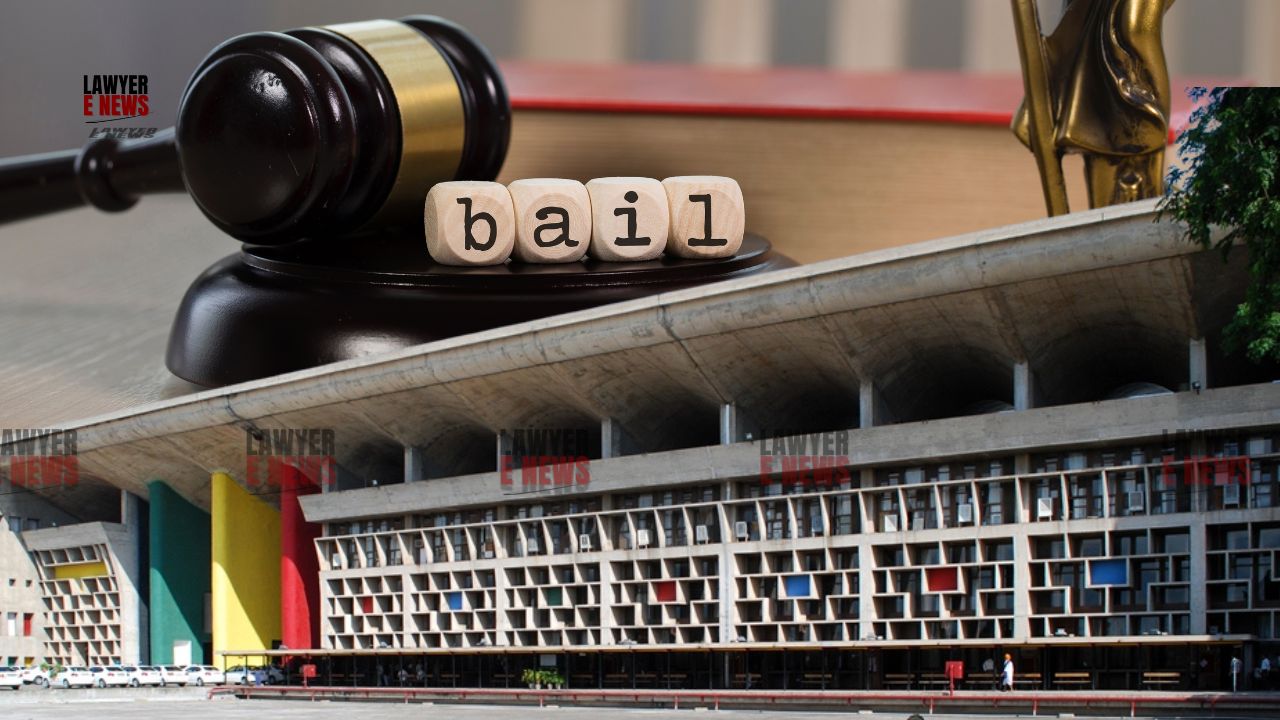
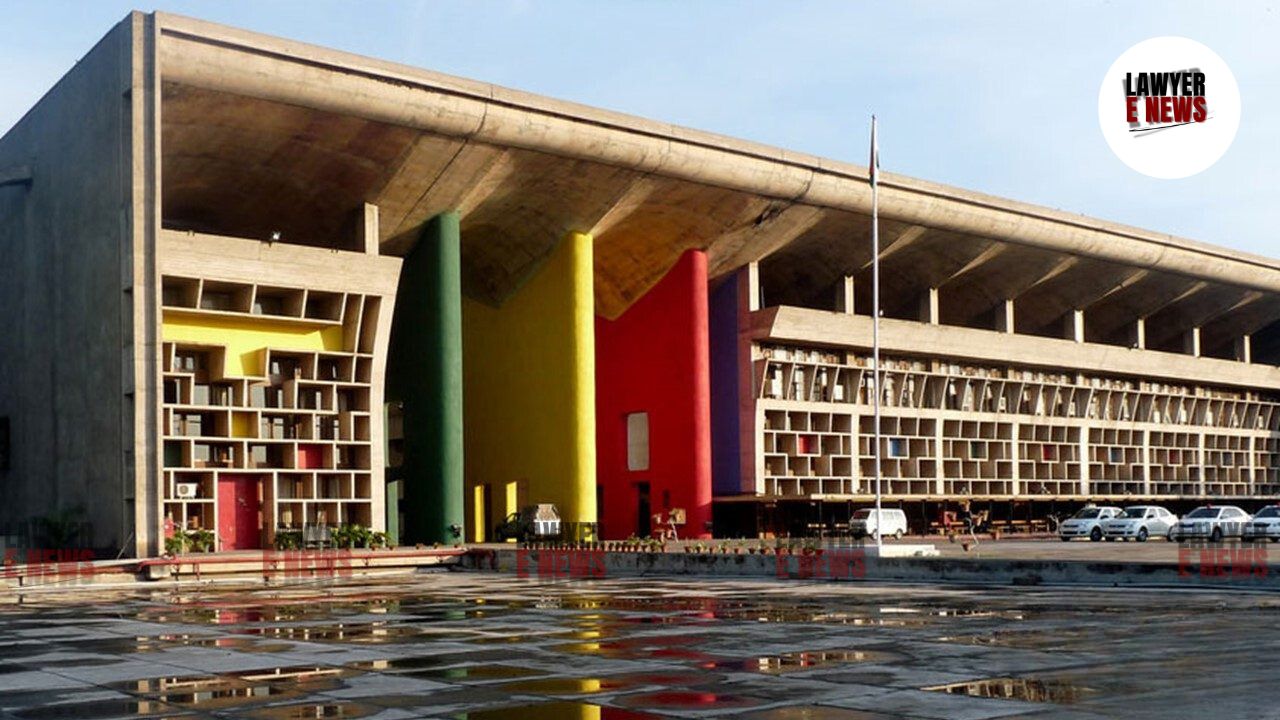
“The private respondents have forfeited the privilege of bail by their overt acts of intimidation and assault, which are clearly in violation of the conditions imposed at the time of granting bail,” - In a decisive judgment Punjab & Haryana High Court cancelled the bail earlier granted to the private respondents in the case of Khem Singh v. State of Punjab, after finding that the accused had “grossly misused the concession of bail” by engaging in violent conduct, criminal trespass, and intimidation of the complainant.
The case arose from FIR No. 183 dated 17.11.2016, registered under Sections 307, 326, 325, 323, 341, 148, and 149 IPC. The private respondents were granted bail on December 15, 2017, and April 2, 2019. However, the petitioner alleged that shortly thereafter, on June 2, 2019, the private respondents, armed with deadly weapons and accompanied by others, trespassed into the residence of a relative of the complainant and assaulted and threatened him with death.
“They not only trespassed into the residence of the relatives of the complainant, but also issued threats and assaulted the complainant, thereby grossly undermining the authority of the Court and the sanctity of the bail order,” the Court observed.
Despite complaints being made to the local police and higher authorities, no effective action was initially taken. Eventually, a separate FIR No. 209 dated 11.11.2019 was registered under Sections 323, 355, 452, 506, 148, 149 IPC and Sections 25/27/54/59 of the Arms Act, and the accused were arrested on February 20, 2020.
The Court, relying on the principle that bail is a privilege subject to good conduct, noted: “It is well settled that liberty granted to an accused by way of bail can be curtailed if the same is misused. If an accused engages in acts that amount to interference with the due course of justice — such as intimidation of witnesses, tampering with evidence, or commission of further offenses — such conduct forms a cogent and compelling ground for cancellation of bail.”
Referring to the preliminary inquiry and CCTV footage showing the accused at the premises of the complainant’s relatives, the Court rejected the argument that the footage was fabricated, observing that the authenticity would be examined at trial, but the unauthorized entry was clearly substantiated.
The Court further remarked: “The conduct of the private respondents is not only reprehensible but demonstrative of a deliberate disregard for the conditions and spirit under which the extraordinary concession of anticipatory bail was granted to them.”
Consequently, the High Court cancelled the bail orders dated 02.04.2019 and 15.12.2017, and directed the trial court to take the respondents into custody forthwith, reiterating that justice must be safeguarded against acts of intimidation that threaten its fair administration.
Date of Decision: May 2, 2025