-
by sayum
12 November 2026 8:14 PM







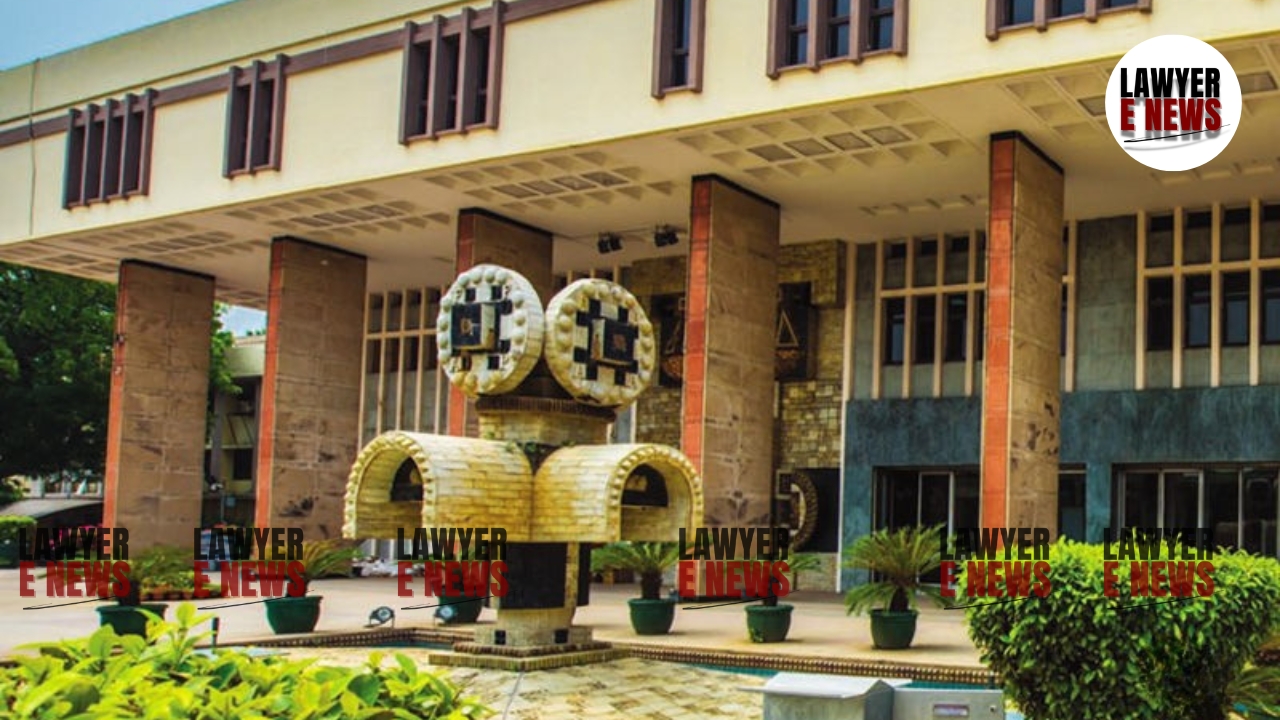
"Prima facie, in the opinion of this Court, the function of assisting the Court for discharge of judicial work is also an essential duty and at times, can be emergent in nature as well," Delhi High Court.
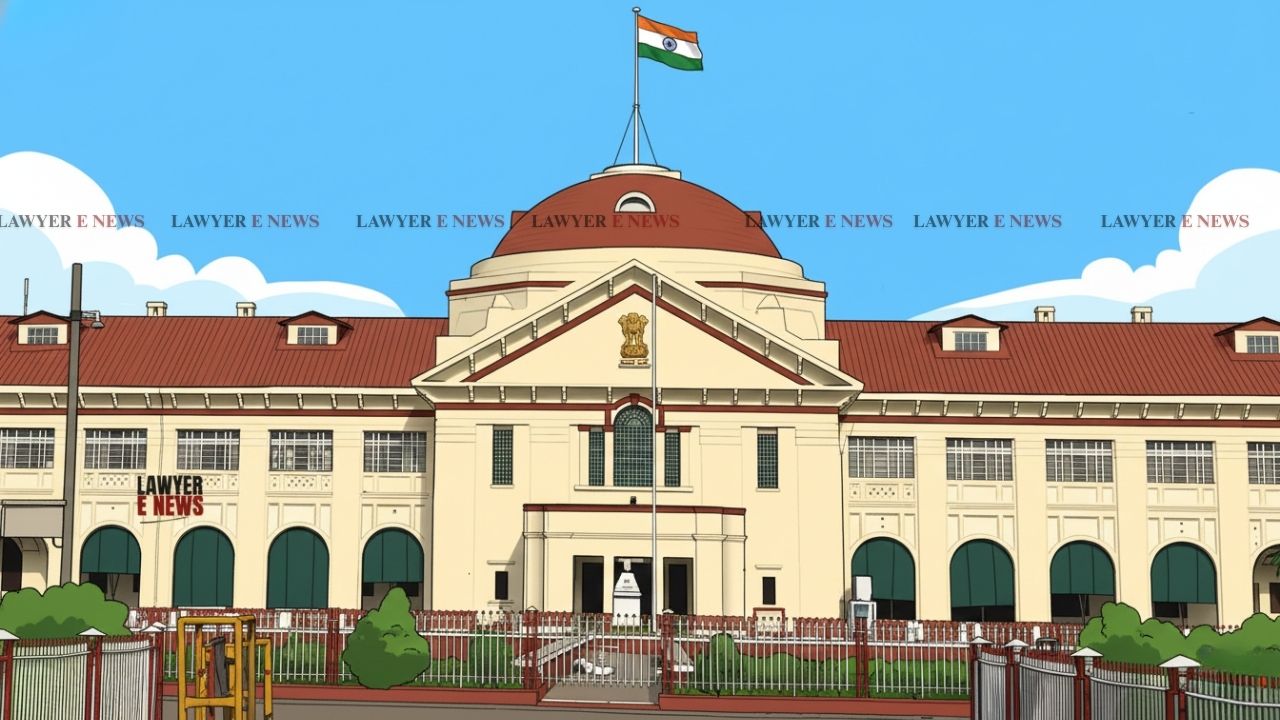
In a significant interim ruling protecting the mobility of the legal fraternity across the National Capital Region, the Delhi High Court on Friday (November 6, 2026) observed that the function of assisting the Court in discharging judicial work constitutes an essential duty, holding that advocates and court staff cannot be prohibited from plying their private vehicles. A single-judge bench of Justice Amit Mahajan granted interim relief allowing advocates and court personnel driving non-Delhi registered vehicles to enter and ply across the capital during court working days upon producing valid Bar Association parking stickers and identity cards.
The Delhi High Court Bar Association approached the High Court under Article 226 of the Constitution of India challenging the implementation of a notification dated June 23, 2026. The impugned notification prohibited vehicles not registered in the National Capital Territory of Delhi from entering and plying within the capital from November 1, 2026, to January 31, 2027. Aggrieved by the absence of an explicit carve-out for legal practitioners and registry staff residing in neighboring NCR districts such as Noida, Gurugram, and Ghaziabad, the Bar Association approached the Court after multiple representations to the Government of NCT of Delhi failed to evoke a response.
Whether the duty discharged by advocates and court staff in facilitating the administration of justice qualifies as an essential and sovereign service entitled to exemption from vehicular pollution curbs.
Whether authorities can restrict advocates and court staff from operating non-Delhi registered vehicles to reach functional courts in the absence of adequate alternative public transport arrangements.
Assisting Courts Is An Essential Function Akin To Sovereign Duties
Justice Mahajan scrutinized the notification dated June 23, 2026, noting that the respondents had themselves provided exemptions to categories of individuals performing sovereign and essential duties. The Court observed that the administration of justice cannot grind to a halt and that advocates acting as officers of the court play a vital role in keeping judicial machinery operational.
Evaluating the nature of legal services, the bench highlighted that court duties often demand immediate intervention: "Prima facie, in the opinion of this Court, the function of assisting the Court for discharge of judicial work is also an essential duty and at times, can be emergent in nature as well."
Smooth Functioning Of Courts Dependent On Physical Presence Of Counsel And Staff
The Court underscored that when courts are actively functioning and listing matters, counsel and ministerial staff are under an indispensable obligation to appear. Restricting their physical access to the courtrooms directly impairs the dispensation of justice to litigants whose liberty and civil rights are at stake.
Addressing the operational reality of court proceedings, the bench observed: "Once the Courts are functional, the Advocates and the Court staff’s attendance is, undoubtedly, of utmost importance for the smooth functioning of the Court and they cannot be directed to not ply their vehicles."
State Failed To Provide Alternative Public Transport Or Justify Sudden Emissions Impact
The bench remarked that the State had not established the provision of any dedicated or adequate transport facilities to ferry legal professionals and court personnel into Delhi from adjacent NCR territories during this restriction window.
The Court pointed out the lack of scientific justification demonstrated by the authorities at this preliminary juncture, recording: "The respondents have also not been able to point out, at this stage, how the same vehicles which were though not contributing to the pollution till the month of October, are suddenly being considered as a major contributor to the pollution."
The High Court issued formal notice to the respondents, directing service upon the Government of NCT of Delhi through its Standing Counsel. By way of interim protection, the Court directed that cars of Advocates and Court staff bearing valid parking stickers issued by any recognized Bar Association in Delhi are permitted to ply to and from Delhi on all Court working days until January 31, 2027, subject to showing a valid identity card. The matter has been listed for further hearing on January 29, 2027.
Date of Decision: November 6, 2026