-
by sayum
15 August 2026 2:23 PM







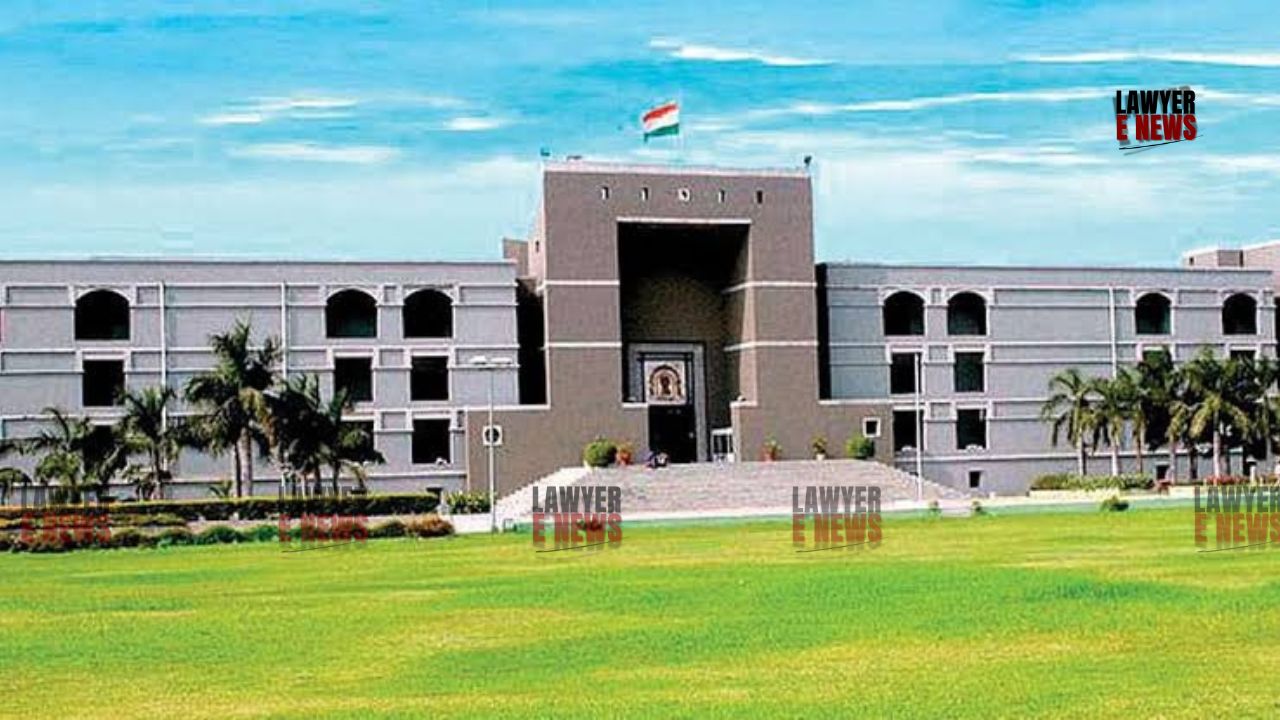
"Assaults targeting vital parts such as head are particularly serious. Considering the injury on the vital part of the body, the applicant has made an assault on the head and the said vital part is chosen for the assault... custodial interrogation of the applicant is required." Gujarat High Court, in a decisive ruling dated July 2, 2026, held that the gravity of an offence and the nature of the assault are pivotal factors in determining the grant of anticipatory bail, particularly when vital body parts are targeted.
A single-judge bench of Justice Sanjeev J. Thaker observed that while personal liberty is a prized possession, it cannot be protected at the cost of a qualitative investigation and the larger interest of society.
The applicant, Jaydip Vithalbhai Parmar, sought anticipatory bail under Section 482 of the Bharatiya Nagarik Suraksha Sanhita, 2023 (BNSS) in connection with an FIR registered at B Division Police Station, Rajkot City. He was charged with various offences under the Bharatiya Nyaya Sanhita (BNS), 2023, including Section 118(1) (voluntarily causing hurt by dangerous weapons) and Section 191(2) (rioting). The prosecution alleged that the applicant had hit the complainant’s mother on the head with a pipe and also struck her left shoulder.
The primary question before the court was whether the applicant was entitled to pre-arrest bail under Section 482 of the BNSS despite specific allegations of a physical assault on a vital organ. The court was also called upon to determine if custodial interrogation was necessary to ensure a "qualitative investigation" into the alleged rioting and assault.
Prima Facie Involvement and Medical Evidence Corroborate Allegations
The Court noted that the applicant was explicitly named in the First Information Report (FIR) and that his role was clearly defined. The bench observed that the allegations were not vague, as the prosecution had provided evidence of a direct assault on the complainant's mother.
"The F.I.R. clearly shows the role of the present applicant, in view of the fact that the applicant had caused injuries with a sharp weapon on the head of the mother of the complainant," the Court noted, adding that this version was corroborated by the Medico-Legal Certificate (MLC) and witness statements.
Intent Inferred From Choice Of Vital Body Part For Assault
Addressing the nature of the injuries, the Court emphasized that an assault on the head carries significant weight in bail considerations. The bench remarked that the choice of a vital part for the assault reflects the potential intent and gravity of the accused's actions, which must be examined during the trial.
"Assaults targeting vital parts such as head are particularly serious. Considering the injury on the vital part of the body, the applicant has made an assault on the head and the said vital part is chosen for the assault," the judgment stated.
Balancing Individual Liberty With Public Interest And Fair Investigation
The Court relied on the landmark precedent of Siddharam Satlingappa Mhetre vs State Of Maharashtra, noting that personal liberty is not absolute. The bench emphasized that the court must strike a "tight rope" balance between safeguarding individual rights and protecting the public interest and the need for a fair investigation.
"The relief of Anticipatory Bail is aimed at safeguarding individual rights... the court must also consider the gravity of the offence, the impact on society, and the need for a fair and free investigation," the bench observed, quoting the Supreme Court's decision in Pratibha Manchanda vs. State of Haryana.
Protective Orders May Adversely Affect Qualitative Investigation
Justice Thaker held that granting anticipatory bail in serious cases where custodial interrogation is required could hamper the investigation process. The Court found that there was no evidence of the applicant being "falsely enroped" with a view to tarnish his image, which is a prerequisite for such relief in serious offences.
"If the present accused is equipped with protective order, it would obviously affect the case of the prosecution and adversely the qualitative investigation, as custodial interrogation of the applicant is required," the Court held.
Anticipatory Bail Reserved For Exceptional Circumstances
Citing Jai Prakash Singh Vs State of Bihar, the Court reiterated that the parameters for granting anticipatory bail in serious offences are stringent. The bench concluded that since the applicant's prima facie involvement was established and the investigation was at a crucial stage, the discretion under Section 482 of BNSS could not be exercised in his favour.
"Anticipatory bail can be granted only in exceptional circumstances where the Court is prima facie of the view that the applicant has falsely been enroped in the crime and would not misuse his liberty," the bench noted.
The High Court dismissed the application for anticipatory bail, ruling that the nature of the assault and the necessity of custodial interrogation outweighed the applicant's plea for liberty. The Court discharged the rule, clarifying that its observations were tentative in nature for the purpose of the bail application only.
Date of Decision: 02 July 2024