-
by sayum
04 August 2026 1:39 PM







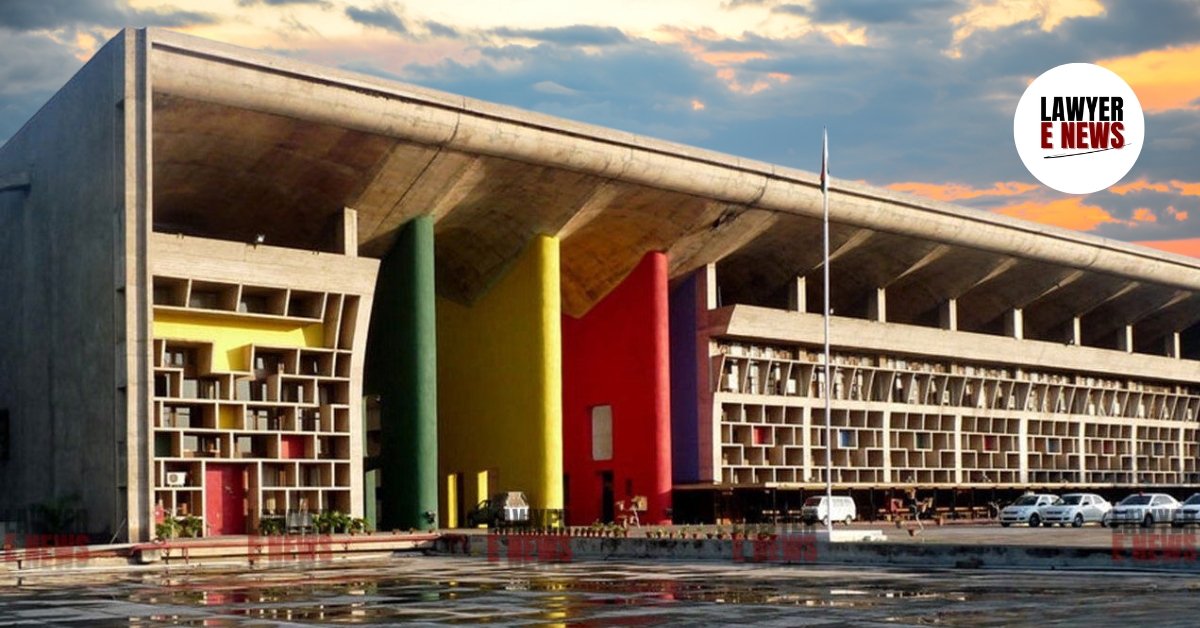
Repeated Defaults Cannot Be Ignored Merely Because Suit Is Old – Punjab and Haryana High Court dismissed a revision petition filed under Article 227 of the Constitution challenging the closure of the plaintiff’s evidence. Justice Vikas Bahl observed that despite repeated opportunities and even the imposition of costs, the petitioner had failed to produce any witness or comply with court directions. Citing settled law on supervisory jurisdiction, the Court upheld the trial court’s order as a just and reasonable exercise of judicial discretion.
The petitioner Jatinder Kumar, a plaintiff in a civil suit pending since 2018, was unable to produce evidence for over six years. Issues were framed on 19.05.2018. The plaintiff failed to present any witness on multiple consecutive dates including 02.04.2024, 23.04.2024, 28.05.2024, 05.07.2024, and 11.07.2024. Despite being granted one final opportunity to lead evidence on 11.07.2024, subject to costs of ₹1,000, the plaintiff failed to comply again.
On 29.07.2024, the trial court noted:
“The case is a six-year-old action plan case. No PW is present. Even the costs imposed earlier have not been paid. There is no justification for further indulgence. Plaintiff’s evidence is hereby closed.”
Subsequently, the plaintiff approached the High Court under Article 227 seeking to set aside this order.
The central issue before the Court was whether the trial court acted perversely or unreasonably in closing the plaintiff’s evidence after prolonged procedural default.
Justice Vikas Bahl examined the record and found no irregularity in the trial court’s decision. He observed:
“Several opportunities, including a last opportunity, had been given to the petitioner and even costs imposed were not deposited by him. The trial has made much progress, and even two witnesses of the defendant have been examined. The impugned order has been rightly passed.”
Rejecting the plea of the petitioner’s counsel that illness justified the adjournments, the Court referred to the trial court’s finding that:
“The medical record does not reflect any abdominal infection and is not clear regarding the reasons for inability of the plaintiff to appear.”
The High Court emphasized the limits of its supervisory jurisdiction under Article 227, quoting the landmark judgment in Shalini Shyam Shetty v. Rajendra Shankar Patil, (2010) 8 SCC 329:
“The High Court cannot act as a court of appeal over orders of courts subordinate to it… The power of interference under this Article is to be kept to the minimum to ensure that the wheel of justice does not come to a halt.”
Further reaffirming judicial restraint, Justice Bahl noted:
“The statutory amendment to Section 115 CPC does not expand the scope of Article 227. Its use must be guided by discipline and limited to cases of manifest injustice or gross procedural error.”
The Court dismissed the revision petition, holding:
“The impugned order does not call for any interference while exercising powers under Article 227. The present revision petition being meritless is accordingly dismissed.”
This decision sends a strong message against procedural abuse and reinforces the principle that litigants must respect court timelines. Judicial indulgence cannot be infinite, and repeated delays without credible justification will have consequences.
Date of Decision: 03 May 2025