-
by sayum
15 August 2026 10:03 AM







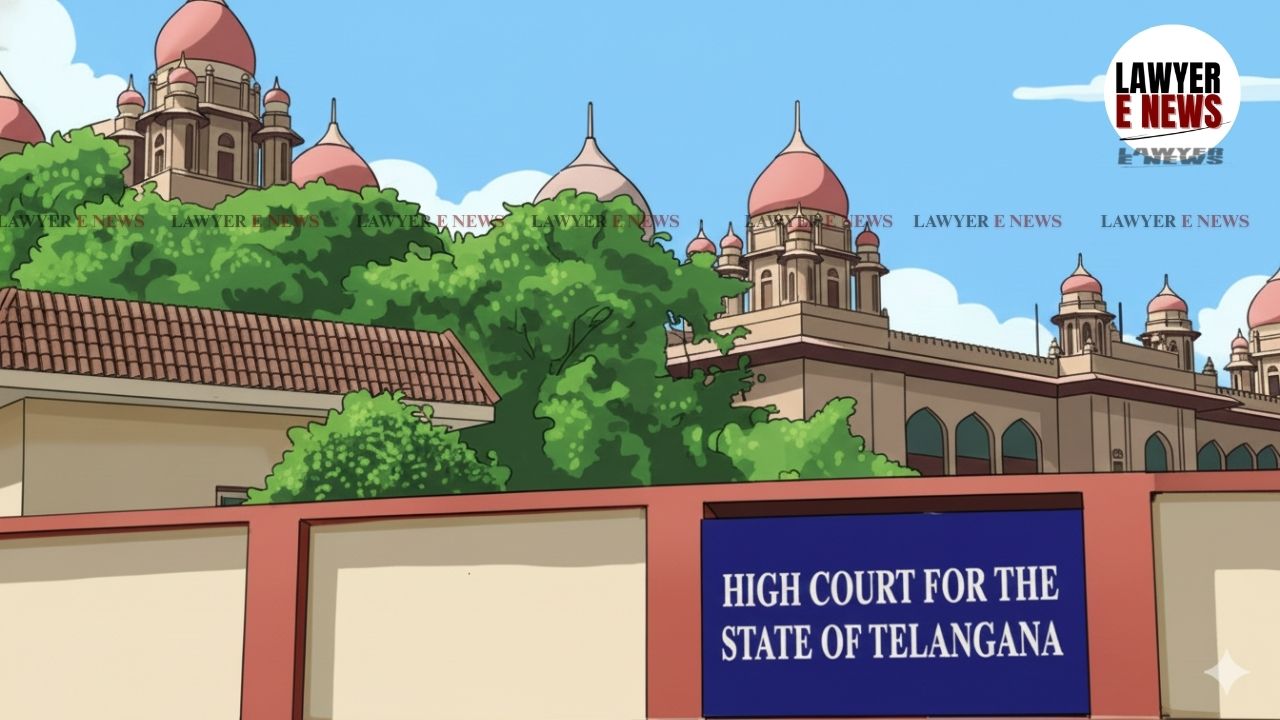
"...the petitioner have suppressed the fact of issuance of NBWs against them and approached this Court with unclean hands, and the petitioners are not entitled to seek equitable relief as conferred under Section 528 of the Bharatiya Nagarik Suraksha Sanhita, 2023..." High Court of Telangana, in a strict ruling, held that accused persons facing Non-Bailable Warrants cannot invoke the equitable jurisdiction of the High Court to quash criminal proceedings if they actively suppress the existence of such warrants.
A single-judge bench of Justice J. Sreenivas Rao dismissed a batch of criminal petitions, observing that litigants who approach the court with unclean hands are disentitled from seeking relief under the Bharatiya Nagarik Suraksha Sanhita.
The petitioners, arrayed as accused numbers one to three, faced charges under Sections 498-A and 406 of the Indian Penal Code alongside Sections 3 and 4 of the Dowry Prohibition Act. They approached the High Court challenging a 2021 cognizance order passed by the XV Additional Chief Metropolitan Magistrate, Nampally, Hyderabad. The petitioners contended that the magistrate had taken cognizance of the offences mechanically without recording the requisite prima facie satisfaction.
The primary question before the court was whether an accused can maintain a petition seeking equitable relief to quash a cognizance order while deliberately suppressing the fact that Non-Bailable Warrants had been issued against them by the trial court.
Suppression Of Material Facts Disentitles Accused From Relief
The court heavily relied on the submissions and evidence produced by the Additional Public Prosecutor, who revealed that the petitioners had not been cooperating with the trial court process. Upon perusing the e-Court proceedings, the High Court noted that the parties had been absent with no representation before the magistrate. Consequently, the trial court had issued Non-Bailable Warrants against the petitioners prior to them approaching the High Court. The bench found this deliberate concealment to be fatal to their plea.
No Equitable Jurisdiction For Tainted Pleas
Addressing the statutory framework, the bench emphasized that powers under Section 528 of the Bharatiya Nagarik Suraksha Sanhita, 2023, are inherently equitable and cannot be exercised in favor of litigants who hide material developments from the judiciary. Although the petitioners relied on the Supreme Court's mandate in Sunil Bharati Mittal v. Central Bureau of Investigation to argue that a reasoned cognizance order is mandatory, the court outright declined to examine the merits of the case due to their tainted conduct. The judge firmly agreed with the prosecution that unless the outstanding warrants are officially recalled, the petitioners cannot demand the quashing of the underlying proceedings.
"...this Court is of the considered view that the petitioner have suppressed the fact of issuance of NBWs against them and approached this Court with unclean hands..."
Liberty Granted Subject To Recalling Of Warrants
Despite taking a strict view on the suppression of facts, the High Court did not permanently shut the doors on the accused. The bench clarified that the dismissal of the current batch of petitions does not permanently preclude the petitioners from challenging the proceedings in the future, provided they rectify their conduct before the trial court first.
"...petitioners are granted liberty to avail remedies as available under law for seeking quashment of the proceedings after recalling the NBWs issued against the petitioners..."
The High Court ultimately dismissed the criminal petitions due to the suppression of material facts. However, the court preserved the petitioners' right to file fresh proceedings for seeking the quashment of the case, strictly on the condition that they first successfully get the pending Non-Bailable Warrants recalled by the trial magistrate.
Date of Decision: 10 July 2026