-
by sayum
28 August 2026 6:47 AM







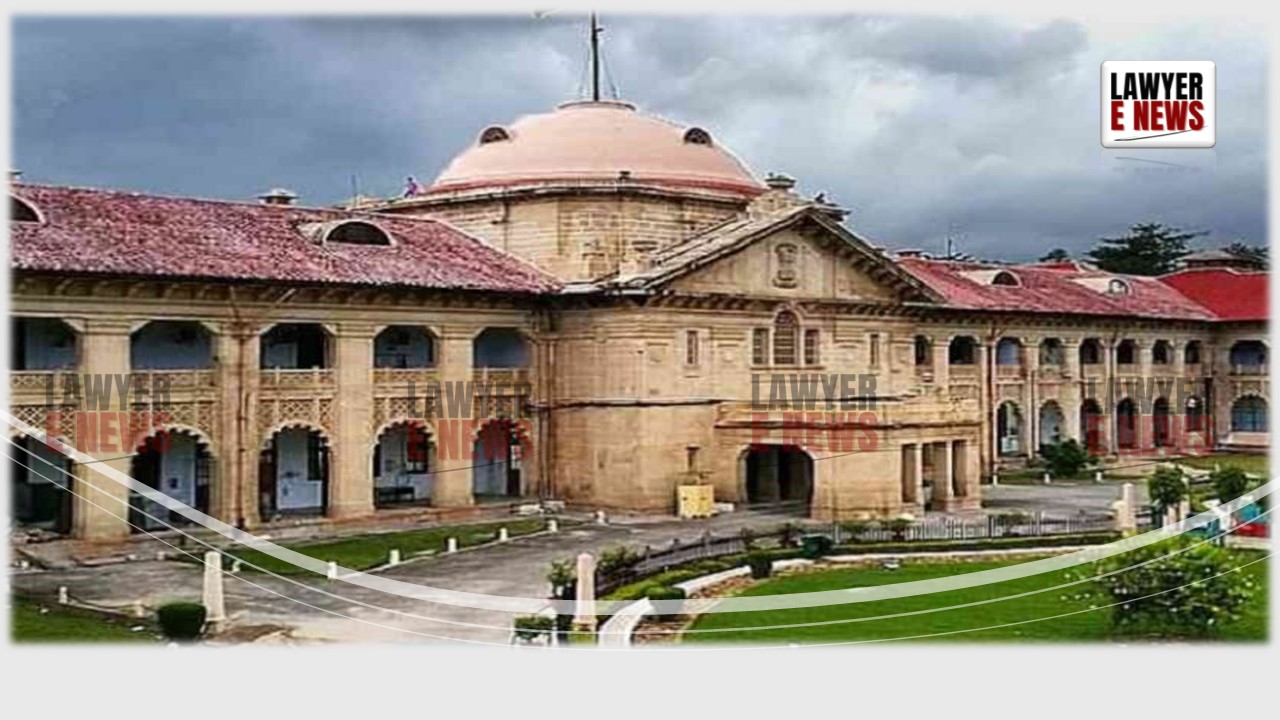
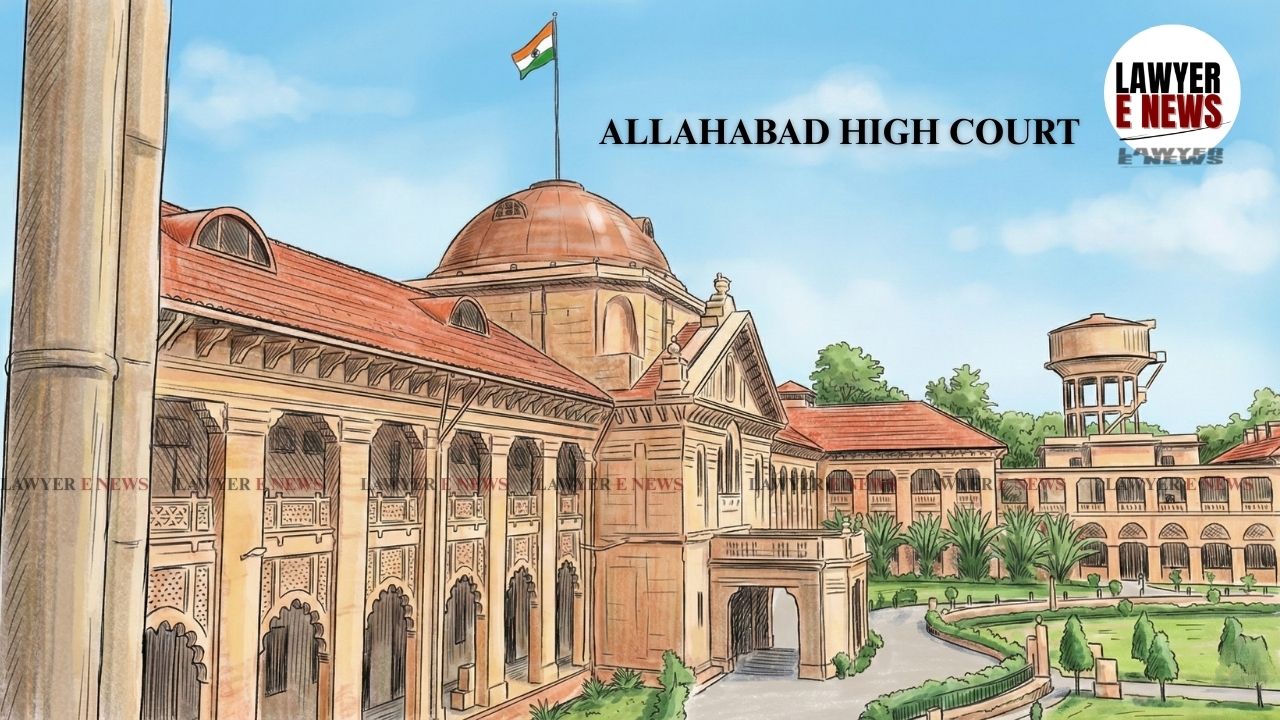
“Encroachment Is Encroachment, Even If It's Only Partial or Future — Courts Must Protect Public Access”, - In a strong judgment reinforcing public rights over common land, the Allahabad High Court dismissed two writ petitions challenging the Sub-Divisional Magistrate’s order under Section 133 CrPC, which directed the removal of a wall obstructing a village path. Justice Rajnish Kumar ruled that private individuals cannot create structures on public pathways and claim immunity on technicalities or presumptions, and that even partial obstructions on public ways are actionable under criminal law.
“Any person cannot unlawfully obstruct or create nuisance on a public place or over any way… and if it has been done or construction is raised, the same is liable to be removed under Section 133 Cr.P.C.”
“A Wall Built on Public Land Is an Illegal Obstruction — Future Threat or Present Reality, It Must Go”
The petitioners, legal heirs of one Rajkishore Ojha, had challenged an order passed by the SDM, Tarabganj, District Gonda, directing the removal of a wall allegedly constructed on Gata No. 225, a land recorded as pond/public way land. The petitioners contended that the wall did not cause any immediate obstruction and that the SDM’s order was based on the “presumption” of future disturbance.
But the Court found that the construction was in fact on public land, and testimonies from multiple villagers, including the petitioners’ own witness, admitted that the wall was erected by Rajkishore Ojha.
“Mishri Lal Ojha, the son of the petitioners’ predecessor-in-interest, has admitted in cross-examination that the wall was constructed by his father on the land in question.”
Justice Kumar held that even if the obstruction was not complete or immediate, the mere fact that a structure was raised on public way gave ample ground for action under Section 133 CrPC: “Merely because it may not have completely created obstruction to the public, it cannot be said that the person… can be allowed to continue with the same.”
“Gram Sabha Land Must Remain for Common Use — Encroachers Cannot Claim Legal Protection”
The Court strongly relied on the landmark Supreme Court judgment in Jagpal Singh v. State of Punjab (AIR 2011 SC 1123), reiterating that encroachments on common village lands must be cleared without delay, even if they have existed for years or involved private construction.
Quoting from Jagpal Singh, the Court reminded: “Such kind of blatant illegalities must not be condoned. Even if the appellants have built houses on the land… they must be ordered to remove their constructions.”
The High Court stressed that courts cannot regularize such occupations on grounds of expenditure, long possession, or purported “right of use.”
“Section 133 CrPC Is a Preventive and Corrective Mechanism — It Doesn’t Require Full Obstruction”
The petitioners argued that since there was no complete obstruction yet, the SDM’s order was premature. But the Court noted that Section 133 is specifically designed to prevent public nuisances or obstructions, even before they result in full-scale inconvenience.
“The order cannot be said to be passed merely on a presumption… there is clear finding that a wall has been constructed on public land, which obstructs a way commonly used by villagers.”
The High Court upheld both the SDM’s and the Sessions Court’s decisions, affirming their legal validity and the procedural fairness adopted.
“The Magistrate as well as the Revisional Court have passed the orders in accordance with law on the basis of pleadings, evidence, and material on record, which does not suffer from any illegality or error.”
Justice Rajnish Kumar dismissed the writ petitions, holding them to be “misconceived and baseless”, with a firm warning against misuse of public land.
This ruling reinforces the principle that village commons, pathways, and ponds cannot be privatized, and that public access must prevail over private interest — especially when the alleged encroachment stems from constructive illegal possession.
Date of Decision: April 16, 2025