-
by sayum
06 October 2026 2:36 PM







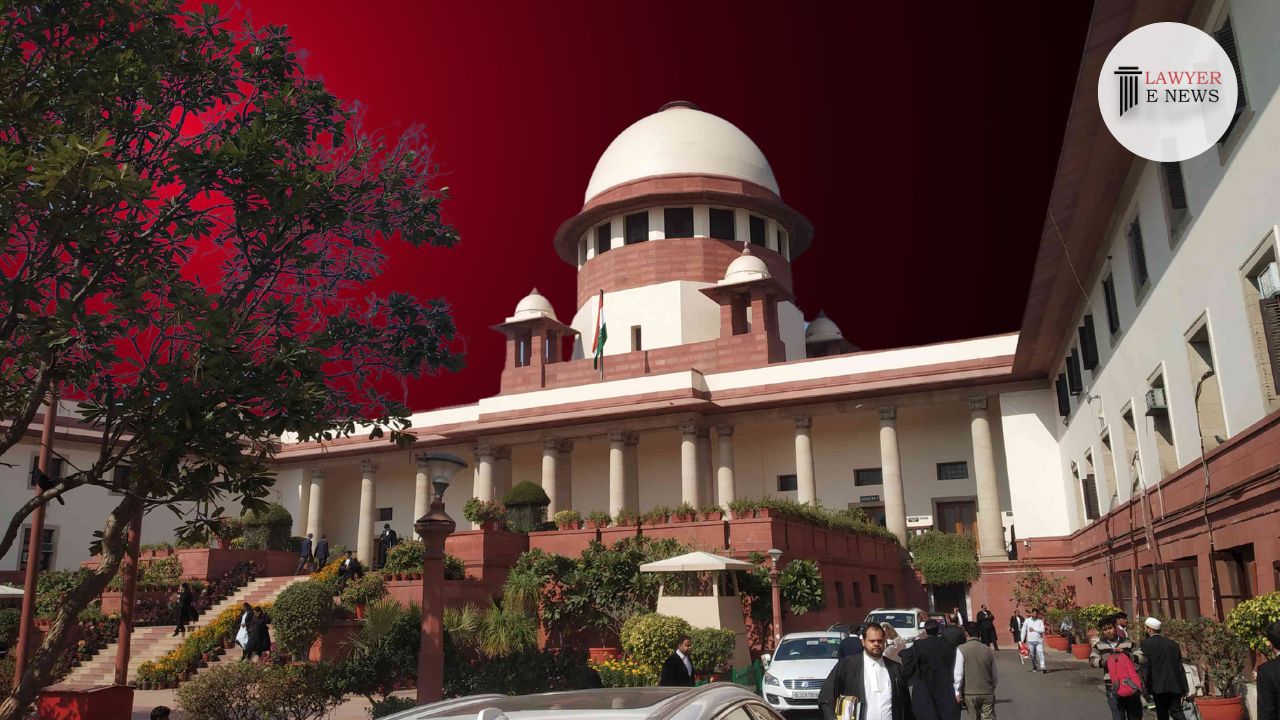
In a groundbreaking legal ruling, the courts have clarified the burden of proof for accused individuals in cases involving the dishonour?of cheques under Section 138 of the Negotiable Instruments Act, 1881. The judgment emphasizes that the accused is not required to prove the non-existence of the presumed fact beyond a reasonable doubt. Instead, the standard of 'preponderance of probabilities' applies, akin to a civil proceeding.
This landmark decision, delivered by a bench comprising Justice Aravind Kumar and Justice S.V.N. Bhatti, has far-reaching implications for individuals facing charges of cheque dishonor. The judgment meticulously examined the legal principles surrounding the shifting evidential burden in such cases and clarified the operation of Section 139 of the Act.
In a notable statement from the judgment, the court asserted, "The accused is not required to prove the non-existence of the presumed fact beyond a reasonable doubt – The standard of 'preponderance of probabilities' applies, similar to a civil proceeding." This ruling effectively eases the burden on accused persons and aligns the legal process with the principles of fairness and justice.
The judgment also scrutinized the improper framing of legal issues in previous cases, emphasizing the importance of correctly fixing the onus on the accused when the presumption under Section 139 is invoked. It criticized the erroneous approach of lower courts in this regard.
Furthermore, the ruling highlighted the scope of interference with concurrent findings by two courts, referencing the principles established in Mst. Dalbir Kaur and Ors. vs. State of Punjab (1976) 4 SCC 158.
This decision serves as a beacon of hope for those entangled in cheque dishonor cases, ensuring a more balanced and just legal process. It rectifies the inconsistencies and errors in the lower courts' approach and underscores the importance of proper legal framing and assessment of evidence.
Date of Decision: October 09, 2023
Rajesh Jain vs Ajay Singh