-
by sayum
09 October 2026 7:24 AM







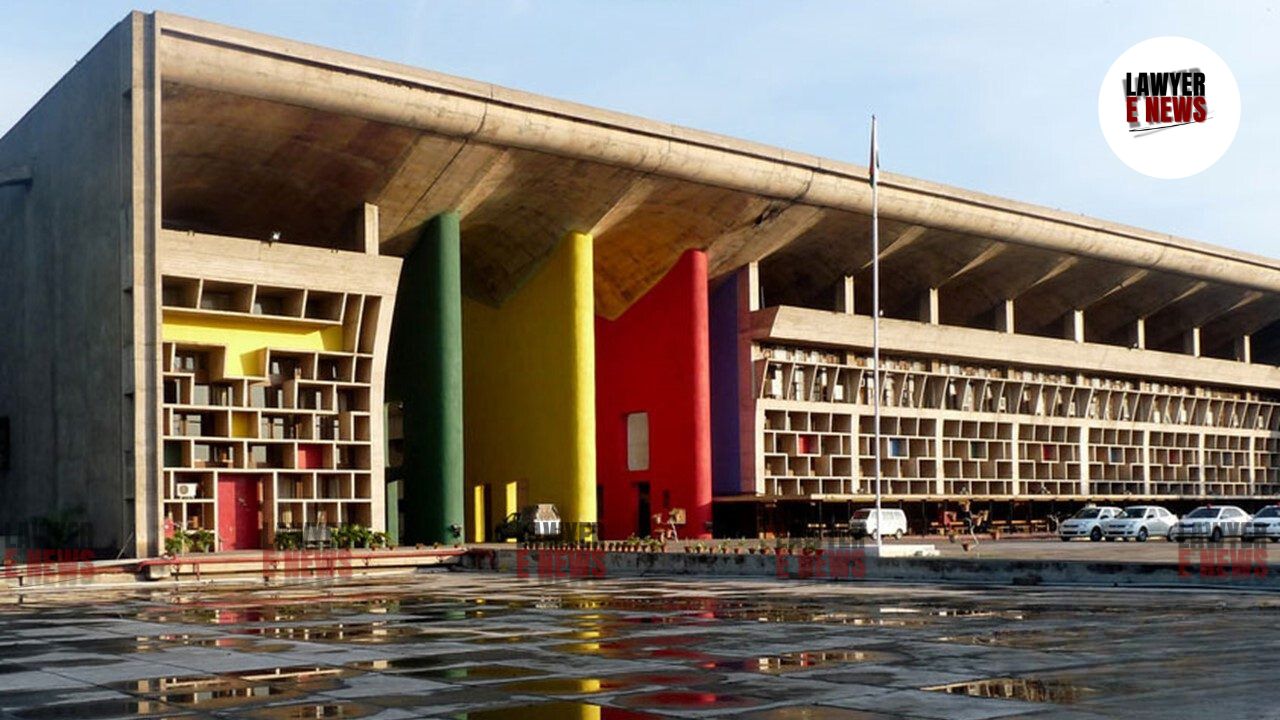
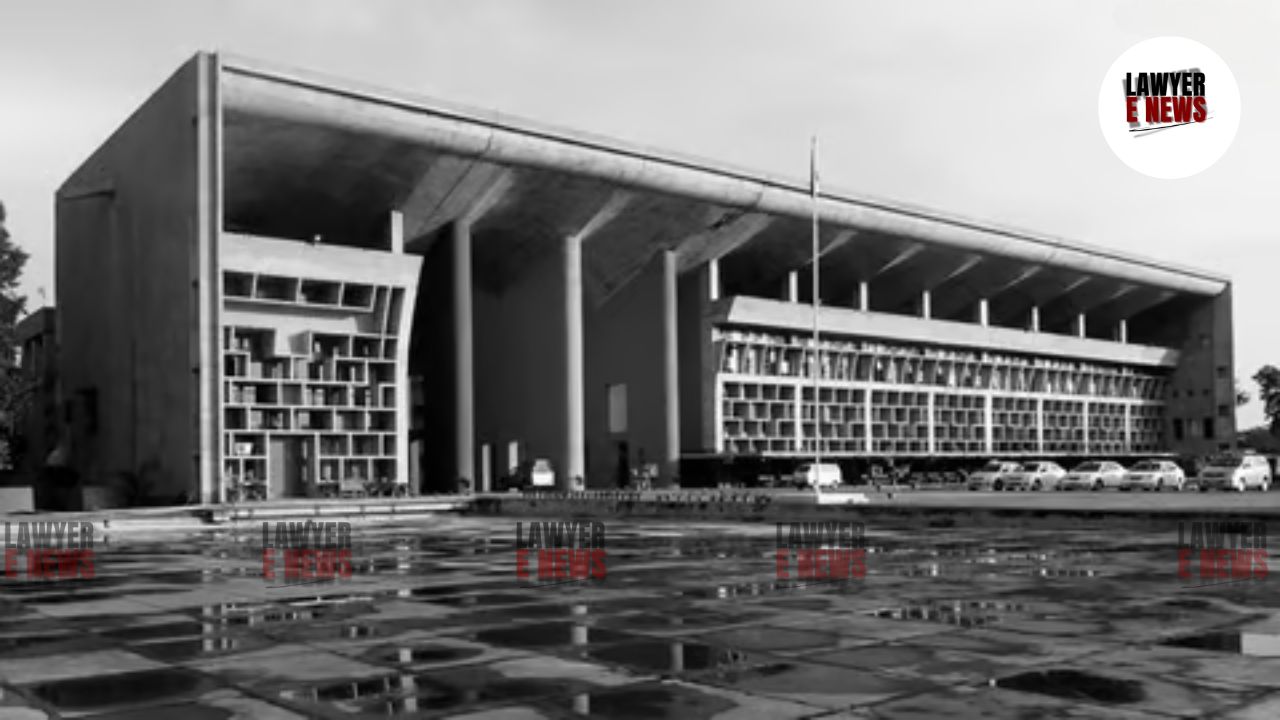
"The expression ‘prima facie true’, which lies at the heart of Section 43D(5), does not invite a detailed examination of evidence, nor does it require the Court to assess the probability of conviction." Punjab and Haryana High Court, in a significant ruling dated September 14, 2026, held that prolonged incarceration and trial delay cannot, by themselves, warrant the grant of bail in offences under the Unlawful Activities (Prevention) Act (UAPA), especially when the prosecution material prima facie discloses a nexus between the accused and the terrorist conspiracy.
A division bench of Justice Archana Puri and Justice Mandeep Pannu observed that the constitutional guarantee of personal liberty under Article 21 must be balanced against the legislative mandate of Section 43D(5), and that bail in such cases cannot be granted through a "mechanical override based on time alone, divorced from legal context."
The appellants were accused of being members of a terrorist gang formed by a designated individual terrorist, Satwinder Singh alias Goldy Brar, tasked with targeting businessmen for extortion. The investigation alleged that the appellants participated in recces, arranged logistics for gang members, and concealed weapons used in a firing incident in Chandigarh. Following their arrest in early 2024, the appellants challenged the denial of regular bail by the Special Court, primarily citing long-standing incarceration and the slow pace of trial as grounds for relief.
The primary legal questions before the court were whether the statutory embargo under Section 43D(5) of the UAPA could be bypassed due to prolonged pre-trial detention, and whether the evidence collected by the National Investigation Agency (NIA) established a prima facie case against the appellants. The court was also tasked with determining if the delay in trial, in the specific context of complex anti-terror prosecutions, rendered continued custody constitutionally impermissible.
Clarifying the Application of Article 21 in UAPA Cases
The court underscored that while the right to a speedy trial is a crucial facet of Article 21, it does not operate in a vacuum. Citing the Supreme Court’s decision in Gulfisha Fatima v. State (Govt. of NCT of Delhi), the bench emphasized that delay cannot be treated as a solitary determinant. Instead, the court must conduct a contextual inquiry, considering the gravity of the offence, the nature of the accused's role, and the likelihood of the trial's conclusion.
Court Rejects Mechanical Application of Delay as a Ground for Bail
The bench observed that the legislative intent behind the UAPA is to address offences affecting the security of the State and the stability of civic life. Consequently, statutory restrictions on bail are not merely procedural hurdles but reflect a legislative judgment that must be respected. The court held that if the prosecution material, taken at face value, establishes a nexus between the accused and the unlawful activity, the statutory embargo on bail remains intact.
"No Absolute Right To Bail Due To Delay"
The court further noted that in cases of organized criminality, the risk of tampering with evidence or influencing witnesses remains a primary concern for the court. The bench pointed out that the appellants were not merely peripheral participants; their alleged roles in recce, coordination, and concealment of weapons indicated an active role in the conspiracy. Therefore, the court concluded that the detention was not merely punitive but necessitated by the severity of the charges.
Examination of Prima Facie Evidence Under Section 43D(5)
Regarding the evidentiary threshold, the court clarified that the "prima facie true" test under Section 43D(5) does not mandate a mini-trial or a deep dive into the probative value of evidence. The court’s duty at the bail stage is limited to verifying whether the essential statutory ingredients are satisfied. In this case, the court noted that the linkage of the appellants to the terrorist gang was supported by technical reports, CCTV footage, and recovery of incriminating materials, which satisfied the statutory threshold for continued detention.
Need for Expeditious Trial Rather Than Enlargement
Addressing the trial pace, the court noted that significant progress had been made, with 35 out of 137 witnesses already examined. The bench stressed that rather than granting bail, the constitutional response should be to ensure the trial's expeditious conclusion. The court took judicial notice of the fact that additional specialized NIA courts are being established in Punjab, which would likely accelerate the disposal of the case.
Final Directions and Dismissal of Appeals
Concluding that the statutory threshold under Section 43D(5) was met and the detention was not yet unconscionable, the High Court dismissed the appeals. The court urged the prosecution to streamline the examination of witnesses to avoid redundancy and directed the Special Court to prioritize the trial. The bench clarified that these observations were limited to the bail proceedings and would not prejudice the final outcome of the trial.
Date of Decision: 14 September 2026