Waqf Tribunal Has Power To Order Interrogatories Under Order 9 Rule 1 CPC: Kerala High Court Section 25 HMA | Appellate Court Cannot Adjudicate Claim For Permanent Alimony If Not Raised Before Trial Court: Chhattisgarh High Court Divorce | Unsubstantiated Allegations Of Illicit Relationship Against Spouse Constitute Mental Cruelty: Chhattisgarh High Court Land Acquisition Act | Compensation Must Be Based On Highest Bona Fide Sale Exemplar; Averaging Of Prices Is Legally Impermissible: Himachal Pradesh High Court Maintenance Tribunals Cannot Invoke Section 23 Senior Citizen Act To Cancel Settlement Deeds Lacking Express Maintenance Conditions: Kerala High Court JJ Act & RTE Act | Children’s Courts Must Integrate Education Into Bail Conditions And Rehabilitation Plans: Allahabad High Court Section 173(8) CrPC | Further Investigation Cannot Be A Mechanical Exercise; Investigating Agency Must Not Act As A 'Post Office' For Complainant: Madhya Pradesh High Court MACT | Courts Must Award 'Just And Fair' Compensation Regardless Of The Amount Specifically Claimed By The Petitioner: High Court Arbitrator Cannot Grant Pendente Lite Interest Where Contract Expressly Bars It: Bombay High Court Right To Travel | Bank Cannot Impose LOC Merely Because Debtor Defaulted In Absence Of Fraud: Madras High Court Order 14 CPC | Court Cannot Grant Relief On Issue Not Settled Or Tried Between Defendants: Kerala High Court Arbitration Fee Payable To Public Officials Must Be Deposited In Parent Organization’s Account: Madhya Pradesh High Court Trial Court Cannot Reopen Issues Confirmed By Appellate Court Under The Guise Of Section 151 CPC: Calcutta High Court Section 340 CrPC | Making False Averments In Pleadings Can Attract Perjury Proceedings Even If Opponent Suffers No Prejudice: Delhi High Court Section 295A IPC | Commercial Sale Of Textile Material With Religious Motifs Without Malicious Intent Does Not Constitute Offence: Gujarat High Court University's Failure To Adhere To Academic Calendar Justifies Granting Final Opportunity To Clear BDS Subjects Beyond Eight-Year Window: Andhra Pradesh High Court Pendency Of Insolvency Proceedings Does Not Absolve Accused From Criminal Liability Under Section 138 NI Act: Madras High Court Administrator Cannot Terminate Employees Or Cancel Selection Process Without Formal Inquiry: Kerala High Court Rules Section 125 CrPC | Suppression Of Assets By Wife Does Not Absolve Husband’s Statutory Liability To Maintain; High Court Orders De Novo Trial Separate Charitable Trusts Running Hospital From Same Building Can Be Clubbed For EPF Assessment: Punjab & Haryana High Court Temple Of Justice' In Peril: Rajasthan High Court Raps State Over "Sub-Standard" Construction, Bars Any Court From Protecting Erring Officials Section 13(1)(i-b) Hindu Marriage Act | Divorce Petition Filed Before Completion Of Two-Year Statutory Desertion Period Is Not Maintainable: Patna High Court Acts Of Undressing And Attempting Penile-Vaginal Insertion Constitute 'Attempt To Rape' And Not Mere Preparation: Uttarakhand High Court UAPA | Trial Delay Simpliciter Cannot Overrule Statutory Embargo Under Section 43D(5) For Serious Offences: Punjab & Haryana High Court SC/ST (POA) Act | Statutory Appeal Must Be Preferred Against Bail Rejection Order, Criminal Petition Not Maintainable: Telangana High Court Contempt Jurisdiction | Non-Compliance Of Writ Court Order Cannot Be Alleged If Petitioner Fails To Meet Conditions Precedent Stipulated By Supreme Court: Uttarakhand High Court Order VI Rule 17 CPC | Amendment Changing Nature Of Suit From Partition To Declaration Based On Will Cannot Be Allowed At Evidence Stage: Punjab & Haryana High Court

Order VI Rule 17 CPC | Amendment Changing Nature Of Suit From Partition To Declaration Based On Will Cannot Be Allowed At Evidence Stage: Punjab & Haryana High Court

09 October 2026 12:54 PM

By: sayum


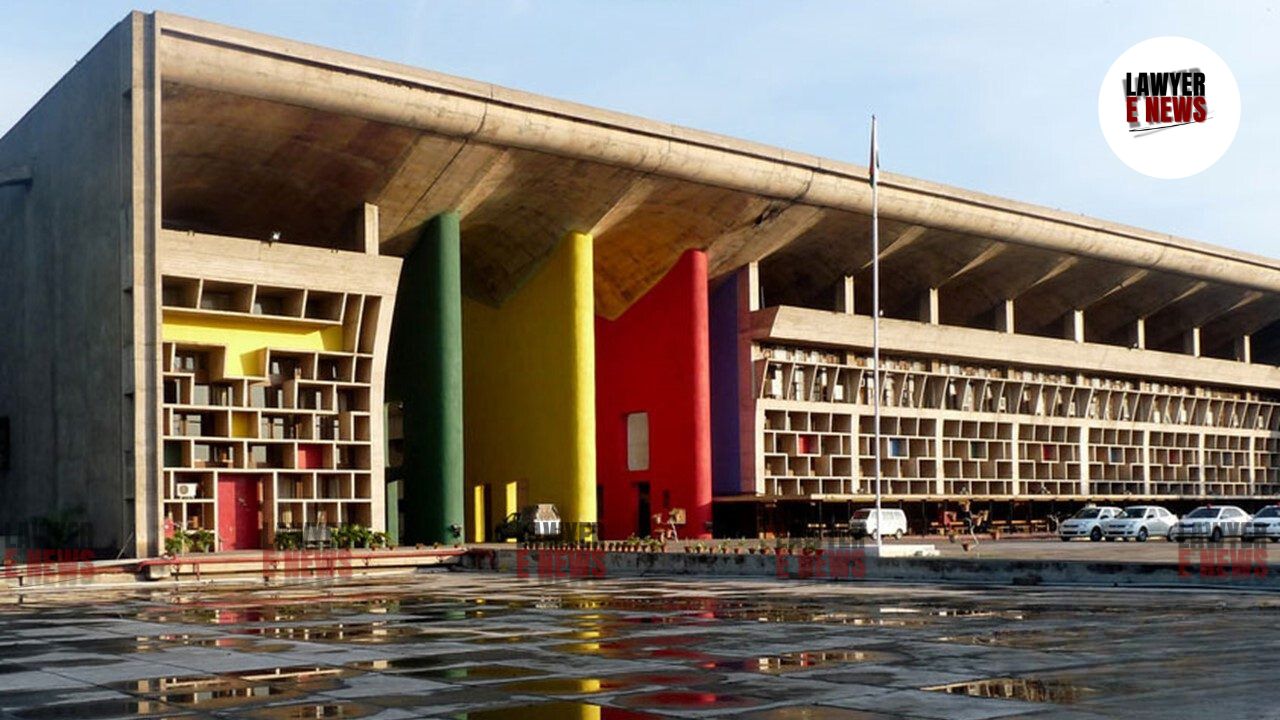
"The amendment sought would introduce a new case, materially altering the nature of the suit and requiring the respondents/defendants to meet an entirely new case." Punjab and Haryana High Court, in a significant ruling dated September 21, 2026, held that a plaintiff cannot be permitted to amend the plaint under Order VI Rule 17 of the Code of Civil Procedure (CPC) to fundamentally change the nature of the suit from a claim for partition based on natural succession to a claim for exclusive ownership based on a testamentary instrument.

A bench of Justice Deepinder Singh Nalwa observed that such an amendment, if allowed, would force the defendants to address a fresh cause of action and fundamentally alter the character of the litigation.

The petitioner initially filed a suit seeking partition and separate possession of his 1/12th share in the suit property, asserting his rights as a co-sharer through natural succession from his deceased parents. After having already amended the plaint once in 2023 to solidify this claim, the petitioner subsequently moved an application in 2026 seeking to introduce a plea of exclusive ownership to the extent of 1/4th share, predicated upon a registered Will dated September 25, 2003. The trial court dismissed this application, leading the petitioner to approach the High Court in revision.

The central legal issue before the Court was whether a plaintiff could seek a post-amendment alteration of the suit's basis to include a claim of exclusive ownership via a Will, particularly when the original suit was grounded in co-ownership by inheritance. Furthermore, the Court examined whether the justification of "inadvertent omission by previous counsel" provides sufficient legal ground to permit such a material alteration at the stage of evidence.

The Court emphasized that the threshold for allowing amendments under Order VI Rule 17 CPC is anchored in the necessity to decide the real questions in controversy without causing prejudice to the opposing party. However, it clarified that this power is not absolute, especially when the amendment seeks to substitute the very foundation of the litigation.

Amendment Cannot Alter Nature of Suit

The bench observed that the petitioner’s shift from claiming a 1/12th share as a co-sharer to asserting a 1/4th share as a sole beneficiary under a Will constitutes a distinct cause of action. By seeking to invalidate a revenue mutation that was previously accepted, the plaintiff is effectively seeking to overhaul the entire evidentiary structure of the case, which is impermissible under the garb of a routine amendment.

"The amendment sought would introduce a new case, materially altering the nature of the suit and requiring the respondents/defendants to meet an entirely new case."

Inadequacy of Procedural Excuses

Addressing the petitioner's argument that the existence of the Will was an inadvertent oversight by previous counsel, the Court found this reasoning insufficient to warrant the exercise of its discretion. The Court noted that legal strategies and claims regarding title must be consistent and diligently presented. The late introduction of a document as significant as a Will, especially when the suit has already reached the stage of trial, cannot be allowed if it undermines the fundamental integrity of the pleadings.

No Grounds for Revisional Interference

The High Court concluded that the trial court exercised its discretion judiciously in rejecting the application. Finding no infirmity, illegality, or jurisdictional error in the order dated August 21, 2026, the Court declined to interfere under its revisional jurisdiction. The petition was consequently dismissed, upholding the finality of the trial court's proceedings.

Date of Decision: 21 September 2026

Latest Legal News