-
by sayum
09 October 2026 7:24 AM







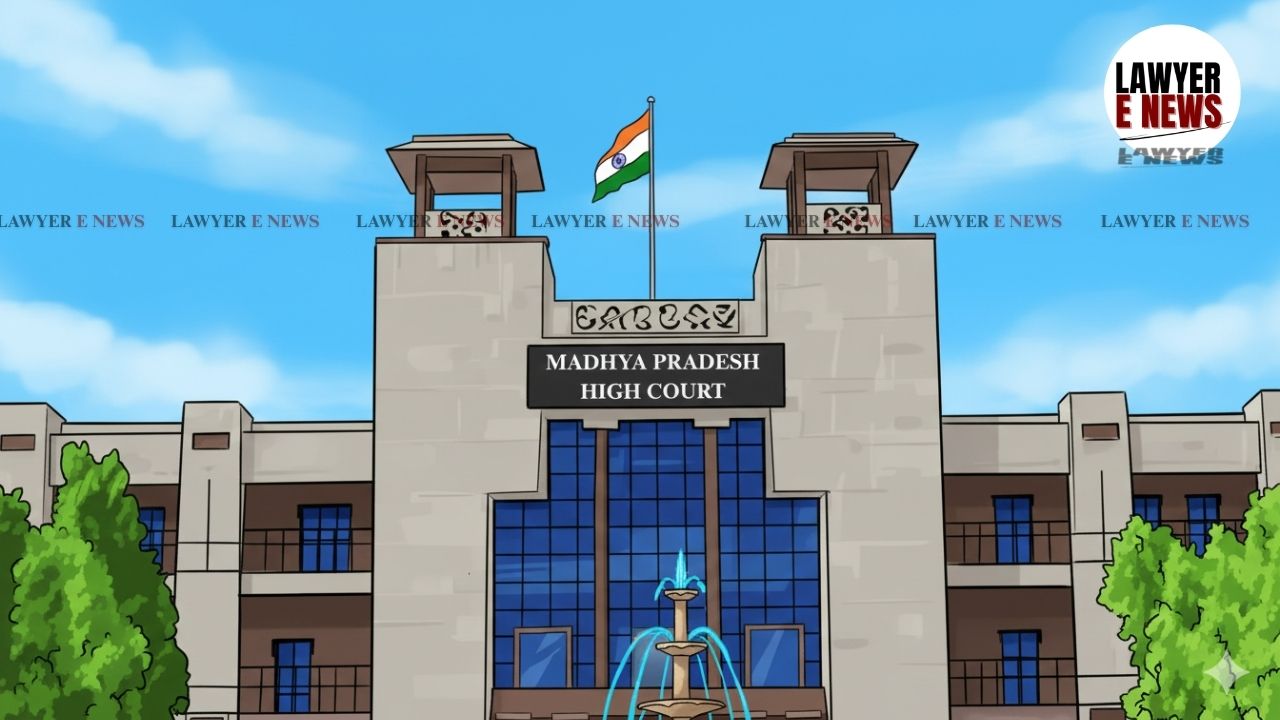
"Merely receiving documents from the hands of the complainant and forwarding them to the Court through a supplementary charge-sheet within 48 hours does not satisfy the statutory requirements of a 'further investigation' under Section 173(8) Cr.P.C." Madhya Pradesh High Court, in a significant ruling dated 07 October 2026, quashed a supplementary charge-sheet and an order permitting further investigation, holding that the power under Section 173(8) of the CrPC cannot be invoked to perform a mechanical exercise.
A bench of Justice Jai Kumar Pillai observed that "the investigating agency cannot act merely as a post office for the complainant under the garb of statutory powers," emphasizing that further investigation mandates a genuine and independent inquiry to unearth the truth.
The petitioner challenged an order dated 09 January 2025, whereby the trial court had allowed the Public Prosecutor’s application under Section 173(8) of the CrPC to take additional documents on record. The petitioner contended that the police, acting as a mere conduit for the complainant, seized 43 documents directly from her and filed a supplementary charge-sheet within 48 hours without conducting any independent verification of their genuineness. The petitioner argued that this was a colorable attempt to circumvent an earlier High Court order which had set aside a previous attempt to introduce these same documents.
Legal Issues Involved
The court was primarily called upon to determine whether the procedure adopted by the investigating agency constituted "further investigation" as contemplated under Section 173(8) of the CrPC. The bench also examined whether the trial court correctly exercised its discretion in permitting the production of additional documents after the framing of charges, and whether the investigating agency is legally permitted to abdicate its duty of independent inquiry in favor of simply filing documents provided by a complainant.
Requirement of Independent Inquiry
The court reiterated that while Section 173(8) of the CrPC (now Section 193(9) of the BNSS) provides the framework for further investigation, it is not an unrestricted power to be exercised mechanically. The bench noted that the essence of such an investigation is the procurement of further evidence through independent verification, not merely rubber-stamping the material produced by the complainant.
Courts Must Ensure Genuine Investigation
The court clarified that whenever the investigating agency believes that further investigation is necessary, it must file an application before the Magistrate or the court concerned. It is then the duty of the court to apply its judicial mind to the facts and the reasons demonstrated by the agency before granting permission. The judicial oversight serves as a necessary safeguard against the abuse of the investigative process.
"Further Investigation" Is Not "Re-Investigation"
Drawing upon the principles established in Vinay Tyagi v. Irshad Ali and the recent ruling in Pramod Kumar v. State of Uttar Pradesh, the court emphasized that the power to direct further investigation rests with the court, while the duty to conduct a thorough and impartial probe rests with the police. The court remarked that where the documents in question are alleged to be official records, the failure to verify them from the relevant government offices or registers renders the exercise legally infirm.
Procedural Propriety and Due Process
The bench observed that the hurried filing of the supplementary charge-sheet, specifically within 48 hours of receiving documents from the complainant, signaled a lack of due diligence. By failing to verify the authenticity of these documents through proper official channels, the investigating agency failed to meet the statutory threshold of "further evidence" required by the Code.
The High Court concluded that the impugned order and the subsequent supplementary charge-sheet resulted in a grave abuse of the process of law. Consequently, the court quashed the order dated 09 January 2025 and the supplementary charge-sheet dated 26 January 2025, mandating that any future investigative actions must strictly adhere to the standards of independent, diligent inquiry and judicial oversight.
Date of Decision: 07 October 2026