-
by sayum
06 October 2026 10:09 AM







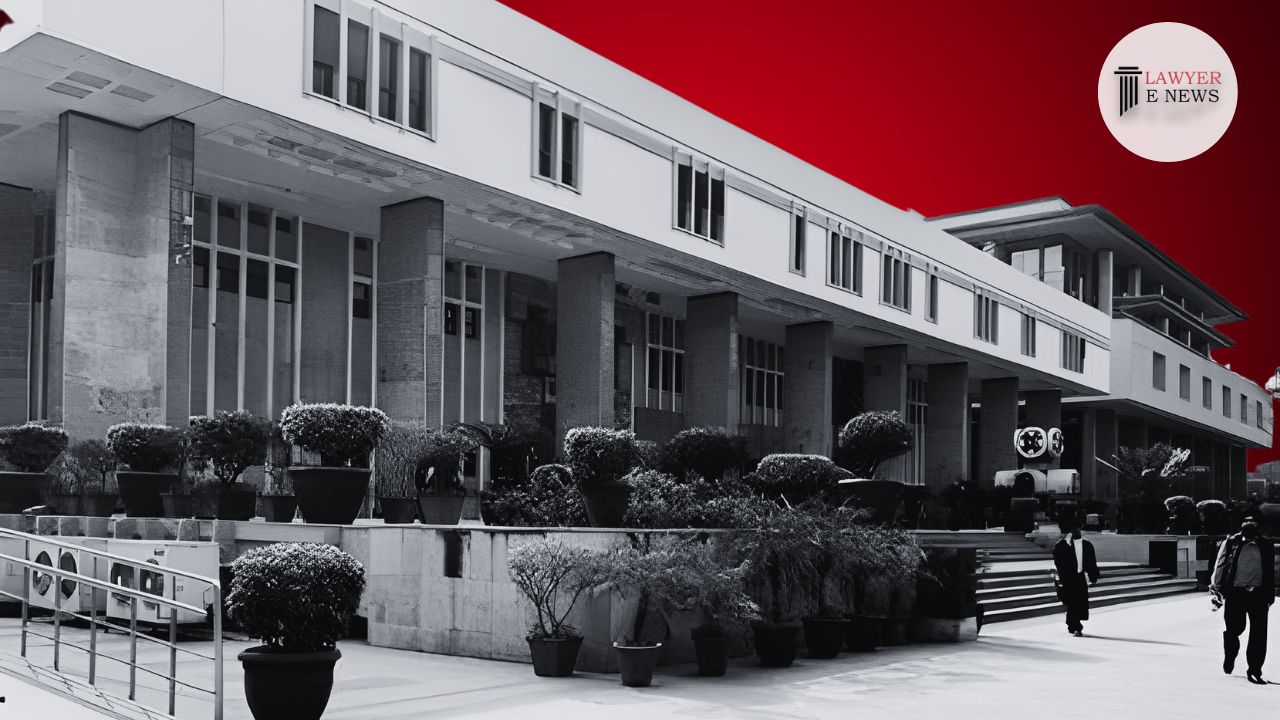
The Delhi High Court, in a landmark ruling, emphasized the supremacy of truth and justice over procedural formalities in family law matters. Justice Anoop Kumar Mendiratta dismissed a petition challenging the Family Court’s decision to permit a fresh income affidavit in a maintenance case under Section 125 Cr.P.C., reinforcing the principle that the pursuit of truth is paramount in such disputes.
The case, titled Sachin Kumar Daksh v. Mamta Gola and Anr, revolved around the petitioner’s objection to the respondent’s (his wife’s) filing of a fresh income affidavit in ongoing maintenance proceedings under Section 125 Cr.P.C. The petitioner contested that the new affidavit, which amended details from the original, could affect a pending application under Section 340 Cr.P.C.
The dispute stems from a divorce petition filed by the petitioner and a subsequent maintenance petition by the respondent. The respondent sought to amend her income affidavit after her initial submission was contested by the petitioner for containing incorrect information. The Family Court initially denied this request but later permitted the amendment, following the High Court’s intervention.
Justice Mendiratta, in his assessment, emphasized the role of Family Courts in ensuring justice and the pursuit of truth. He noted, “The maintenance granted to the wife is as a measure of social justice and the proceedings under Section 125 Cr.P.C. is with an objective to protect women and children from vagrancy and destitution.” The judge underscored that technicalities should not overshadow the fundamental objective of reaching the truth in family disputes.
The court referenced the precedent set in Rajnesh v. Neha and Another, and a similar case (CRL.M.C.260/2024), where objections against an amended affidavit were dismissed. It was observed that the filing of a fresh affidavit does not negate the earlier one and that any false affidavit consequences would be addressed separately, without impacting the Section 340 Cr.P.C. application.
The High Court dismissed the petition, upholding the Family Court’s decision to allow the filing of a fresh income and expenditure affidavit. The court stated that this would enable an accurate assessment of maintenance without prejudicing the petitioner.
Date of Decision: February 16, 2024
Sachin Kumar Daksh v. Mamta Gola and Anr