-
by sayum
27 October 2026 4:35 PM







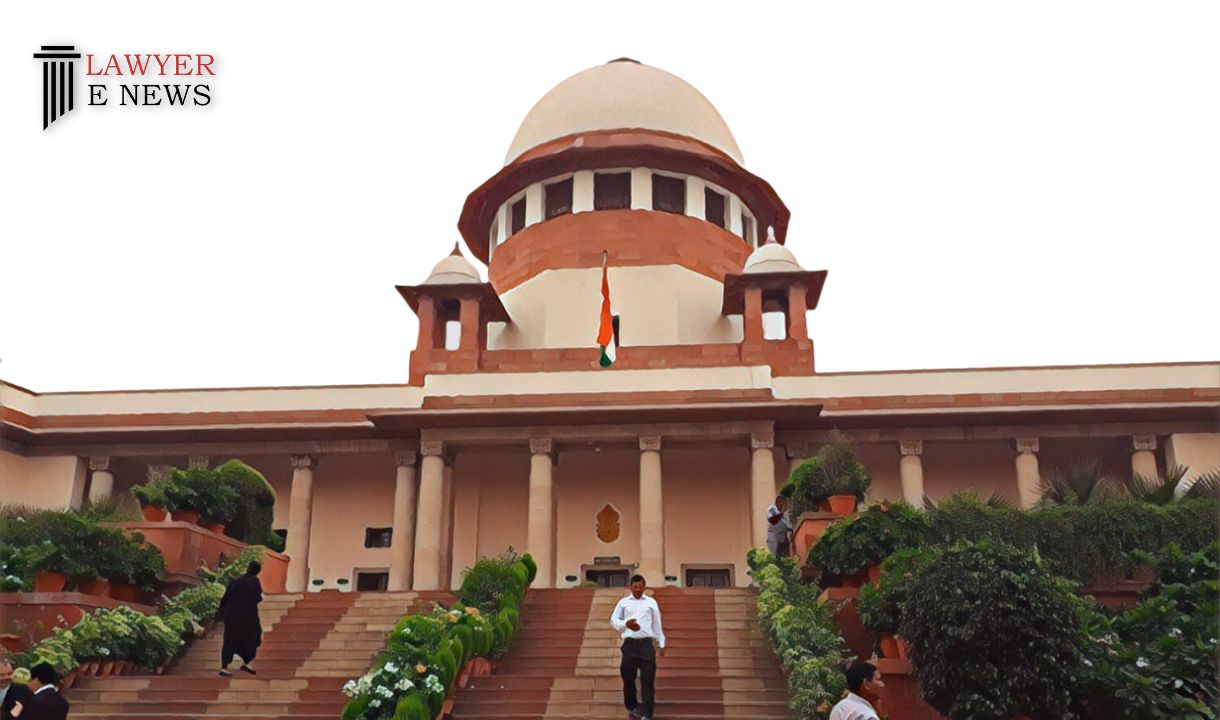
In a significant verdict, the Supreme Court of India upheld the conviction of the appellant in a murder case, reiterating the importance of eyewitness testimonies and underlining that "trivial discrepancies ought not to obliterate otherwise acceptable evidence." The case, which had seen the appellant acquitted by the Trial Court and subsequently convicted by the High Court, centered on a gruesome stabbing incident that occurred in 1995.
The High Court had found the appellant guilty of offenses under Sections 302 and 114 of the Indian Penal Code. The primary evidence against the appellant was the eyewitness account of PW2 (Parvatiben), who was presented by the prosecution as the eyewitness to the incident. She had described how the appellant, in the company of two others, inflicted knife blows on the deceased, resulting in his tragic demise. The prosecution also relied on the dying declaration of the deceased, supported by PW3, PW4, and PW5.
The Trial Court had acquitted all three accused mainly based on the opinion of the autopsy surgeon and certain contradictions in the witness statements. However, the Supreme Court, upon careful examination, found that these contradictions were minor and should not discredit the overall testimony. The Court emphasized that the eyewitnesses' accounts were consistent about the appellant's involvement and the sequence of events following the incident.
The crucial aspect of the case revolved around the number of injuries and the weapon used, which led to some inconsistencies. However, the Court cited previous judgments, highlighting that minor discrepancies are common in witness statements and should not be used to discard their testimony.
The Supreme Court also placed greater importance on ocular evidence over the opinion of the medical expert, emphasizing that the doctor's evidence cannot overshadow the eyewitness accounts.
Furthermore, the Court noted that while the appellant was convicted, two other accused individuals, who were alleged to have held the deceased during the attack, were given the benefit of doubt by the High Court. As there was no appeal by the state against the acquittal of these two co-accused individuals, the Court refrained from making any comment on that aspect of the judgment.
Supreme Court dismissed the appeal, canceled the appellant's bail, and directed them to surrender before the Trial Court within a period of four weeks. This judgment underscores the significance of eyewitness testimony in criminal cases and the need to consider the overall context of evidence, even when minor discrepancies arise.
Date of Decision: September 13, 2023
RAMESHJI AMARSING THAKOR vs STATE OF GUJARAT