-
by sayum
26 August 2026 10:38 AM








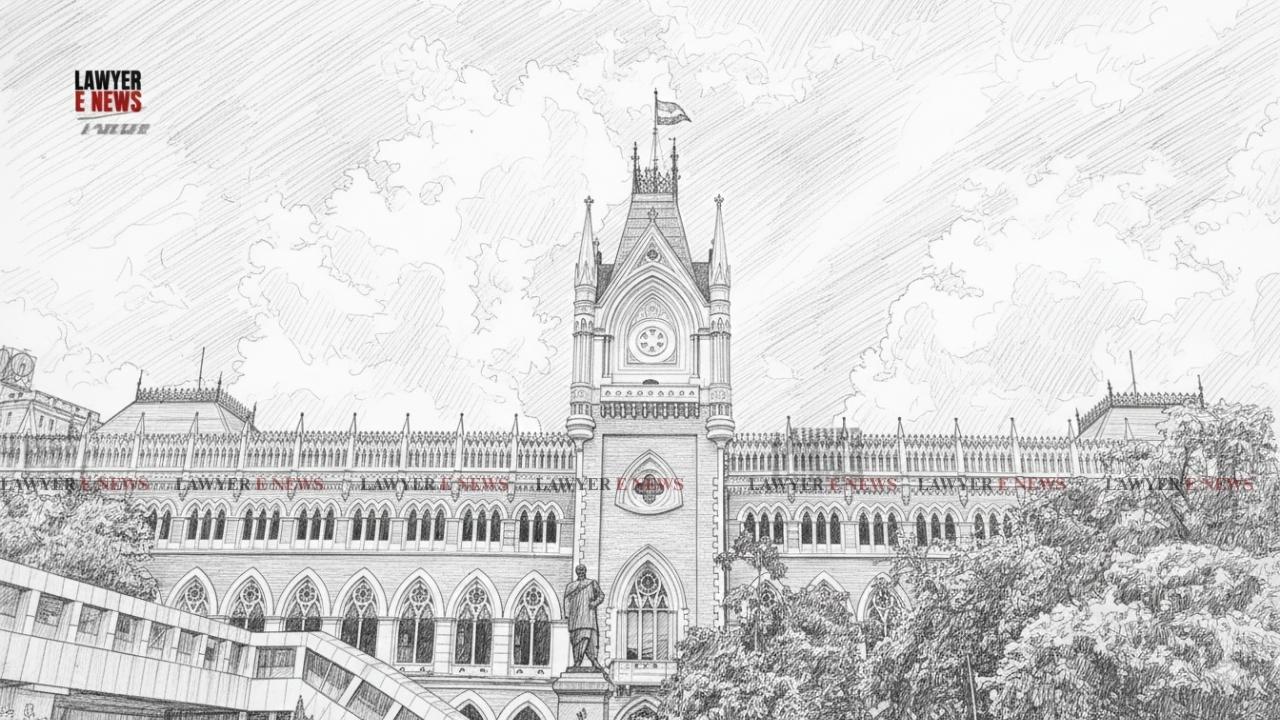
“It Was Not Possible to Fix Up Authorship” — In a decisive ruling underscoring the limits of criminal prosecution based on inconclusive forensic evidence, the Calcutta High Court on 02.03.2026 quashed proceedings against a University of Calcutta Professor in an alleged forgery and cheating case linked to an R&D project funded by the Ministry of Textiles.
Justice Tirthankar Ghosh held that despite three separate handwriting expert opinions obtained during investigation, none could conclusively attribute the disputed writings to the petitioner. The Court ruled that the materials collected by the Investigating Agency created, at best, suspicion — but not the “grave suspicion” required to proceed to trial.
“It Was Not Possible to Fix Up Authorship”: The Forensic Core of the Case Collapses
The prosecution relied heavily on handwriting analysis to connect the petitioner to disputed vouchers and cheques allegedly used for wrongful encashment of project funds.
However, in three separate reports dated 03.08.2020, 21.03.2023 and 14.08.2023, the handwriting expert repeatedly concluded:
“It was not possible to fix up authorship of the disputed writings from the materials in hand.”
Even after specimen writings were collected and additional documents were sent for comparison, the expert maintained that the disputed signatures and writings could not be attributed to the petitioner. In the final report, the expert even suggested collecting further contemporaneous admitted signatures for development of the case — an indication that existing materials were insufficient.
The High Court noted that when the forensic foundation of a prosecution case fails to establish authorship, continuation of criminal proceedings becomes untenable.
Forensic Ambiguity Cannot Sustain Criminal Trial
Justice Ghosh observed that the prosecution sought to implicate the petitioner in offences under Sections 420, 467, 468 and 471 IPC, all of which hinge upon proof of forgery, fraudulent intent, or use of forged documents.
Yet, the very expert evidence intended to establish authorship stopped short of connecting the petitioner with the disputed documents. The Court emphasized that criminal liability for forgery cannot be presumed in the absence of a definitive forensic link.
When the handwriting expert consistently opines inability to fix authorship, the evidentiary chain remains incomplete at the threshold stage itself.
Suspicion Is Not Enough — Grave Suspicion Required
Applying the settled principle laid down in P. Vijayan v. State of Kerala, the Court reiterated that at the stage of considering quashing or discharge, the test is whether materials disclose “grave suspicion” and not mere suspicion.
The Court reminded that a trial judge is “not a mere post office to frame charge at the behest of the prosecution.”
Where forensic reports do not conclusively connect the accused to the alleged forged documents, compelling the accused to face a full-fledged criminal trial would amount to misuse of judicial process.
Holding that continuation of proceedings would amount to abuse of process of law, the Calcutta High Court quashed all further proceedings arising out of Ballygunge Police Station Case No. 145/18 dated 03.11.2018.
The ruling sends a strong message that inconclusive expert opinion cannot be stretched to sustain prosecution for serious offences like forgery and cheating, and that courts must intervene where investigative materials fail to cross the threshold of grave suspicion.
Date of Decision: 02/03/2026