-
by sayum
27 August 2026 6:51 AM







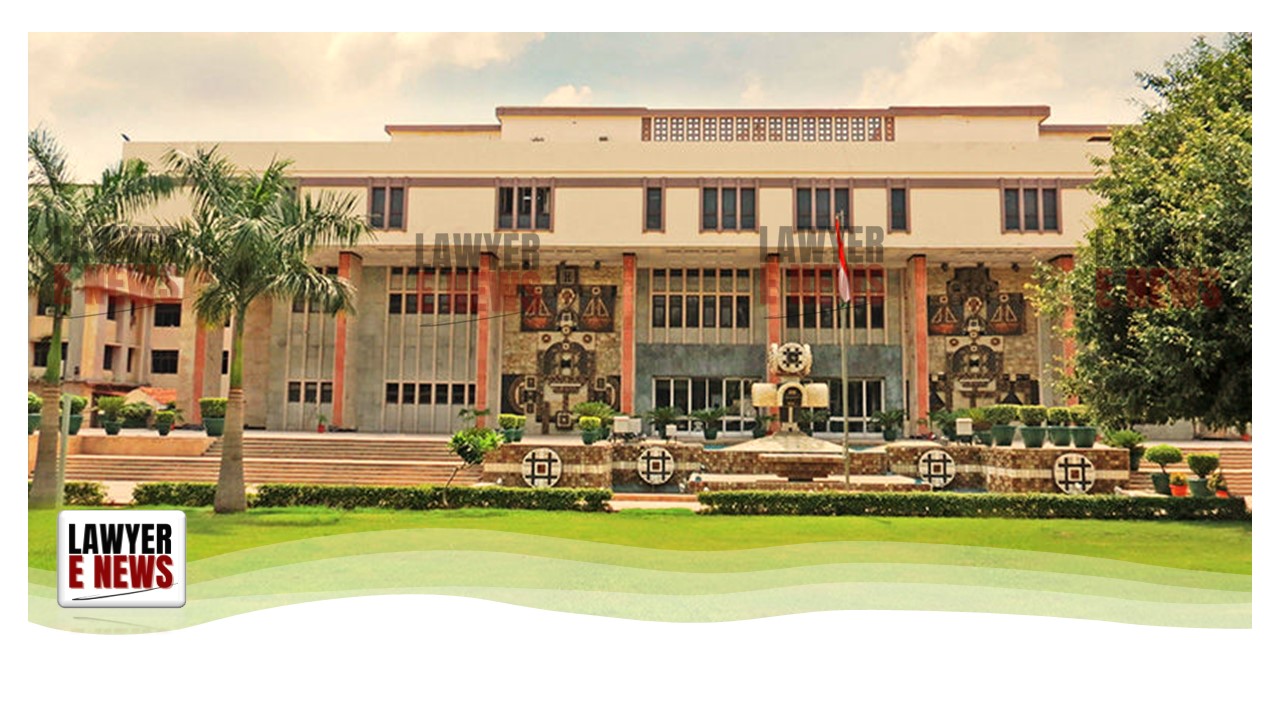
"Prima facie we find enough material against her to show that the said account not only belongs to her but also was being operated by her from the IP addresses belonging to her and her brother." Delhi High Court, in a significant ruling, framed criminal contempt charges against an advocate for allegedly using unparliamentary language and levelling scandalous allegations of collusion against a trial court judge both in open court and on LinkedIn.
A bench of Justice Navin Chawla and Justice Ravinder Dudeja observed that digital forensic reports provided by internet service providers conclusively established a direct link between the contemptuous online activity and the respondent's mobile connections.
The matter arose from a reference made by a Judicial Magistrate First Class at Tis Hazari Courts in early 2025. During a hearing where the respondent was a complainant in a cross-FIR case, she allegedly raised her voice, used unparliamentary language, and accused the judge of colluding with the accused persons. Subsequently, a LinkedIn post containing scandalous remarks about the judge and digitally signed order sheets was brought to the trial court's attention, prompting the formal contempt reference to the High Court.
The primary question before the court was whether the respondent advocate had committed criminal contempt by scandalizing the court and lowering its authority through her courtroom outbursts and social media publications. The court was also called upon to conclusively determine the identity and ownership of the disputed LinkedIn account after the respondent vehemently denied creating or operating the profile.
Digital Forensics Trace LinkedIn Account To Advocate
The High Court noted that the respondent categorically denied ownership of the LinkedIn account containing the scandalous remarks. To ascertain the truth, the bench had previously directed LinkedIn Corporation and the Cyber Cell of the Delhi Police to furnish detailed reports, including the internet protocol addresses used to create and access the account. The subsequent digital investigation revealed that the account was created on October 14, 2023, using an email ID bearing the respondent's name.
ISPs Confirm Connection To Respondent's Mobile Numbers
Analyzing the cyber cell reports, the court noted that internet service providers Vodafone Idea and Jio traced the IP logs provided by LinkedIn directly to mobile numbers registered in the name of the respondent and her brother. The bench observed that the respondent likely accessed her account by connecting her device to her brother's mobile data through a hotspot facility or by logging in directly from his device. The court held that the information from the service providers decisively linked the online activity to the respondent.
Suspicious Deletion Of Social Media Account
Taking serious note of the timeline of events, the High Court recorded submissions from the counsel representing LinkedIn Corporation regarding the sudden closure of the profile. The court observed that the subject account was curiously closed and deleted on January 29, 2026, at precisely the same time the bench was passing its initial directions ordering a probe into the account's origins. Despite the mounting forensic evidence, the respondent, appearing in person, maintained her denial regarding the uploads.
Justification Of Collusion Allegations Rejected
Addressing the initial courtroom outburst, the bench noted that the respondent practically reiterated her allegations of collusion in her reply to the contempt petition itself. When the bench enquired if she had any material to justify making such severe allegations against a judicial officer, she audaciously claimed that the trial court record itself was a justification for her stance. The bench found these allegations were purely intended to scandalize the court.
Formal Charges Framed For Criminal Contempt
Finding these actions deeply detrimental to the administration of justice, the court formally framed charges against the advocate under Section 2(c) and Section 12 of the Contempt of Courts Act, 1971. The bench stated that the respondent's actions in open court, combined with the upload of the LinkedIn post, were calculated to lower the authority of the judiciary. The court noted that the post by itself contained blatantly scandalous remarks against the concerned Judicial Officer.
"By the above act you have lowered the authority of the Court and tried to interfere with the due course of the judicial proceedings and the administration of justice, thereby committing criminal contempt."
The respondent pleaded not guilty to the framed charges. The High Court directed her to file an affidavit in reply to the charges within four weeks, in strict compliance with Rule 12 of the Contempt of Courts (Delhi High Court Rules, 2025). The bench ordered the respondent to remain personally present in court on the next date of hearing, listing the matter for further proceedings.
Date of Decision: 27 March 2026