-
by sayum
04 August 2026 1:39 PM







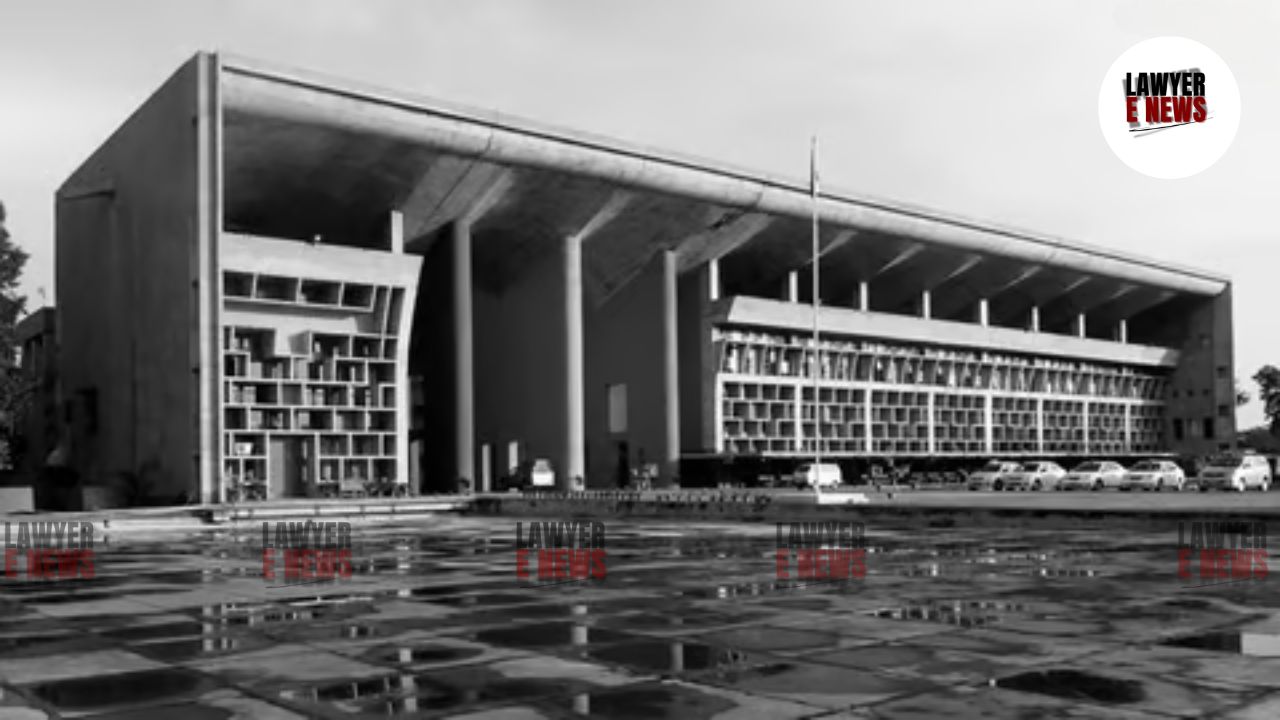
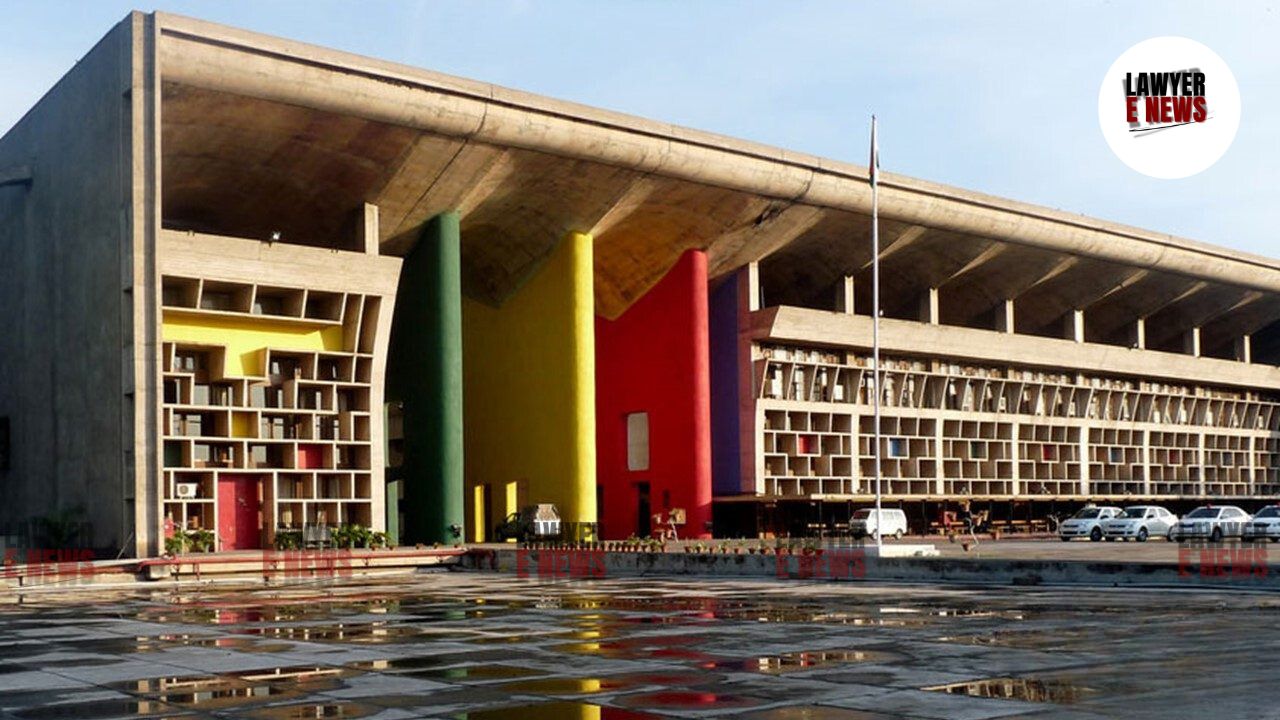
High Court mandates DCI to review representation within 15 days, emphasizing adherence to procedural fairness and natural justice principles. The Punjab and Haryana High Court has intervened in a case concerning the termination of a dental student’s internship by the Dental Council of India (DCI). The bench, comprising Justices Rajesh Bhardwaj and Kirti Singh, has directed the DCI to decide on the petitioner Jasleen Kaur’s representation within 15 days, stressing the necessity of a fair hearing and adherence to the principles of natural justice.
The petitioner, Jasleen Kaur, completed her Bachelor of Dental Surgery (BDS) degree in 8½ years, including a mercy chance granted by the university. Subsequently, she commenced her rotatory internship, which was later terminated by the DCI on the grounds that the period taken to complete her BDS exceeded the stipulated 9 years. Kaur challenged the termination, asserting that she was not given a fair hearing, thereby violating the principles of natural justice.
The court underscored the importance of a fair hearing, emphasizing that decisions affecting an individual’s career and future must be taken judiciously. “The necessity of providing a fair chance to the petitioner before terminating her internship cannot be overstated,” the bench remarked. The court noted that the DCI had failed to consider Kaur’s representation before terminating her internship, which constituted a violation of natural justice.
The court directed the DCI to expedite the decision-making process regarding Kaur’s representation. “Respondent No. 3 is directed to decide the representation dated 06.06.2024 within a period of 15 days from the date of receipt of this order,” the judgment stated. This directive aims to ensure that the petitioner’s case is reviewed promptly and fairly.
The court granted interim relief to Kaur by staying the impugned termination order until the DCI reaches a decision on her representation. “Till then, the impugned order dated 21.05.2024 be kept in abeyance,” the court ordered, allowing Kaur to continue her internship temporarily.
Justice Rajesh Bhardwaj noted, “To meet the ends of justice, respondent No. 3 is directed to decide the representation within a period of 15 days and communicate the decision to the petitioner and the university.” This statement reflects the court’s commitment to ensuring that the petitioner receives a fair opportunity to present her case.
The High Court’s decision underscores the judiciary’s role in upholding the principles of natural justice and ensuring fair treatment in administrative decisions. By mandating a timely review of Kaur’s representation, the court has provided her with a crucial opportunity to contest the termination of her internship. This judgment highlights the importance of procedural fairness and is expected to influence similar cases, reinforcing the legal framework for administrative actions.
Date of Decision: 20th June 2024