-
by sayum
07 October 2026 4:36 AM







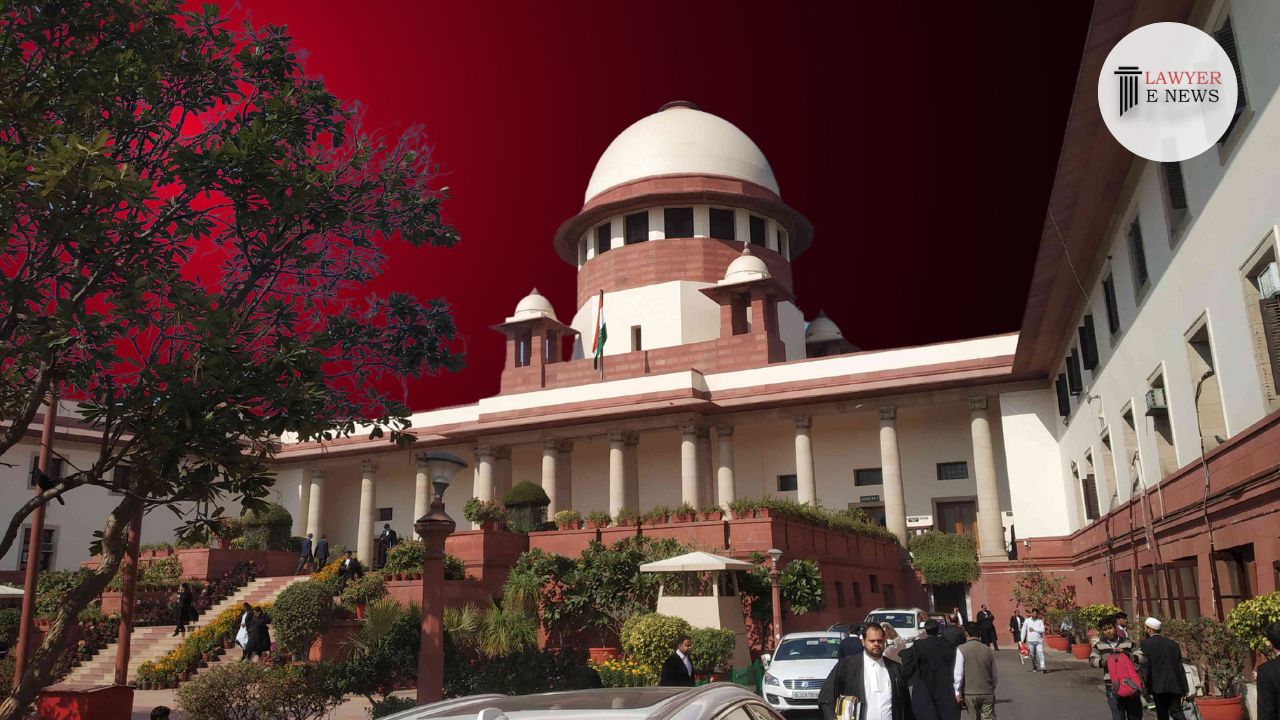
In a recent decision, the Supreme Court of India emphasized the importance of amicably resolving matrimonial disputes and encouraged parties to bring an end to prolonged legal battles. The case, involving Gaurav Garg and Shweta Agarwal, had a staggering 21 cases filed by one party or the other. Despite failed mediation attempts, the Court's intervention paved the way for a resolution.
In a significant observation, the Court stated, "We appreciate the advice rendered by the counsels to the parties which has been adopted by the parties in Court and they have agreed to resolve all their disputes." This observation underscores the Court's commitment to promoting peaceful solutions in family disputes.
- A decree of divorce dated 24.01.2023 had already been passed, but the petitioner chose not to challenge it further, signaling a willingness to end the matter.
- Both parties agreed to a lump-sum alimony payment of Rs. 30 lakhs, settling all claims for maintenance and stridhan.
- Visiting rights for the child, a contentious issue, were resolved with initial supervised visits, gradually transitioning to unsupervised interactions.
- All civil cases between the parties were withdrawn, and criminal proceedings were quashed.
The Court's decision not only brings relief to the parties involved but also sets a precedent for the importance of amicable dispute resolution in family matters. It highlights the significance of mediation and cooperation, even when couples cannot live together.
Advocates on both sides, including Mr. Varinder Kumar Sharma, Mr. Prashant Bhushan, Ms. Vibha Datta Makhija, and others, played pivotal roles in reaching this resolution. The Court's observation serves as a reminder that harmonious solutions can often be found in even the most complex of family disputes.
Date of Decision: September 22, 2023
GAURAV GARG vs SHWETA AGARWAL & ORS.ETC.