-
by sayum
11 August 2026 7:51 AM







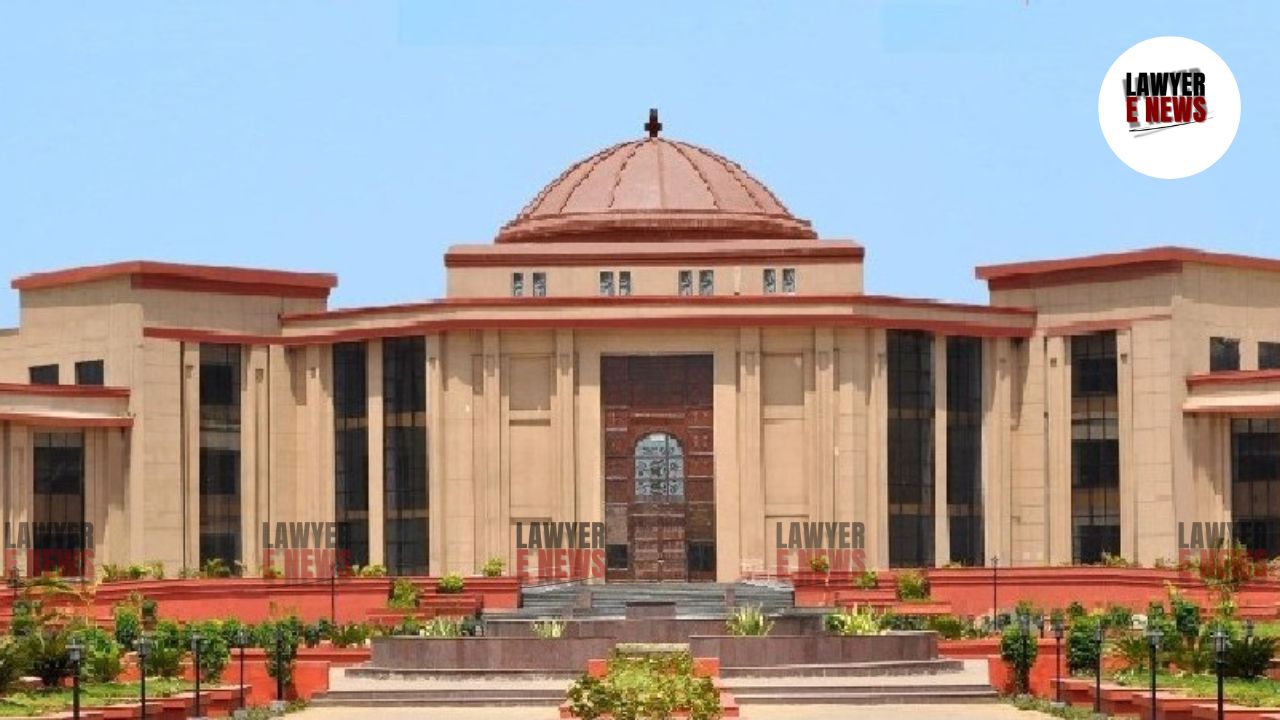
"Recovery from the employees belonging to Class-III and Class-IV category (or Group 'C' and Group 'D' service) is held to be impermissible in law. Meaning thereby that even if undertaking is submitted by the employee, but he otherwise belongs to Class-III or Class-IV service, recovery of excess amount paid from him/her is impermissible." Chhattisgarh High Court, in a significant ruling, held that recovery of excess salary payments made due to wrong pay fixation cannot be effected from a retired Class-III employee, ruling that consent or undertakings extracted under the threat of withholding retiral dues hold no legal sanctity.
A bench of Justice Bibhu Datta Guru observed that the protective shield granted to lower-grade employees against arbitrary recoveries remains absolute, notwithstanding any coercive undertakings obtained by the employer.
The petitioner, a retired Sub-Inspector belonging to a Class-III cadre, approached the court challenging the recovery of Rs. 6,26,104 initiated against him at the fag end of his service. The state authorities had compelled him to furnish a consent letter for salary deductions under the threat that his retiral benefits would otherwise be withheld. Pursuant to this, a portion of the amount was deducted from his salary, and the remaining sum was deposited by him through a Treasury Challan.
The primary question before the court was whether recovery of excess salary paid due to wrong pay fixation can be made from a retired Class-III employee. The court was also called upon to determine whether a consent letter or undertaking furnished by an employee validates such otherwise impermissible recovery.
Excess Payment Not Attributable To Fraud
The court noted at the outset that it was undisputed that the petitioner retired from a Class-III post and that the excess payment occurred solely due to a mistake in pay fixation by the administration. The bench emphasized that there was no allegation of fraud, misrepresentation, or suppression of facts on the part of the employee.
Application Of Rafiq Masih Principles
Relying on the landmark Supreme Court ruling in State of Punjab v. Rafiq Masih (White Washer), the court reiterated that recoveries by employers are impermissible in several situations, notably from employees belonging to Class-III and Class-IV services, as well as from retired employees. The bench highlighted that enforcing recovery in such circumstances would be harsh, iniquitous, and arbitrary.
Coerced Consent Holds No Validity
Addressing the state's contention regarding the consent letter furnished by the employee, the court held that submission of such an option under the shadow of withheld retiral benefits cannot be held against the employee. "Submission of the consent letter and subsequently deposited amount under the pressure and threat that he may not be paid retiral dues, cannot be overlooked," the court remarked.
Undertaking Does Not Override Class-III Protection
The bench drew strength from the Division Bench ruling of the Chhattisgarh High Court in State of C.G. v. Labha Ram Dhruv, which interpreted the Supreme Court's decision in High Court of Punjab and Haryana v. Jagdev Singh. The court clarified that the later ruling did not overrule the protective umbrella extended to Class-III and Class-IV employees under Rafiq Masih. Even where an undertaking is furnished, the bar against recovering excess payments made beyond five years or from retiring lower-rung staff continues to hold the field.
"Recovery against petitioner is not sustainable"
Concluding that the state cannot profit from its own administrative lapses in pay fixation, the court allowed the writ petition. The respondents were directed to refund the entire recovered amount of Rs. 6,26,104 to the petitioner within a period of three months. The court further ordered that failure to comply within the stipulated timeframe would saddle the state with an interest liability of 6 percent per annum on the withheld sum.
Date of Decision: 22 July 2026