Rigours of UAPA Melt Before Article 21: Jharkhand High Court Grants Bail After Six Years of Incarceration Accused Cannot Challenge in Arguments What He Never Challenged in Cross-Examination: Himachal Pradesh High Court Upholds POCSO Conviction Counterblast Plea, Civil Dispute Defence No Shield When Cognizable Offence Is Disclosed: Allahabad High Court Refuses To Quash FIR Against Ex-Driver Accused Of Outraging Modesty Lawyers Who Burned a Colleague's Furniture for Defending Toll Workers Have Tainted a Noble Profession: Supreme Court A Suspicious Dying Declaration Cannot Hang a Man: Calcutta High Court Sets Aside Murder Conviction IQ of 65, Memory Loss, Frontal Lobe Damage: Supreme Court Holds Brain-Injured Manager Suffered 100% Functional Disability, Enhances Compensation to ₹97.73 Lakh Cannot Be Forced to Pay Gratuity to Retired Employees Who Refuse to Vacate Company Quarters: Supreme Court Victim Who Incited Riot Inside Court Cannot Blame Accused for Trial Delay: Supreme Court Grants Bail in Section 307 Case You Cannot Sell What You Don’t Own: ‘Vendor’s Half Share Means Buyer Gets Only Half’ : Andhra Pradesh High Court Nagaland's Oil Laws Face Constitutional Challenge: Gauhati High Court Sends Union-State Dispute to Supreme Court Order 22 Rule 3 CPC | Will's Validity Cannot Be Decided in Substitution Proceedings: Himachal Pradesh High Court 6-Year-Old Loses Arm To Live 11kV Wire Passing 'Almost Touching' Her Balcony: Punjab & Haryana High Court Awards Rs. 99.93 Lakh To Child Despite Nigam Blaming Father For 'Extending Balcony' Supreme Court Invokes Article 142 To Quash Rape & POCSO Conviction After Marriage Between Accused And Victim NGT Cannot Order Demolition of Temple On Ground of Encroachment of Park: Supreme Court Quashes Removal Order For Want of Jurisdiction Hostile Witnesses & Doubtful Recovery Can Collapse Prosecution: J&K High Court Sets High Threshold for Criminal Proof Compassion Cannot Override the Clock: Karnataka HC Denies Job to Guardian Aunt Despite 2021 Rule Change” Second Marriage During Pendency of Divorce Appeal Is Void: Kerala High Court Appearing in Exam Does Not Cure Attendance Deficiency: MP High Court Upholds 'Year Down' Against BBA Student With Sub-30% Attendance Patna High Court Directs Bihar To Submit Detailed Rehabilitation Plan For Recovered Mental Health Patients, Expand Half-Way Homes Across State Rajasthan High Court Upholds Refusal to Drop Bharat Band Stone-Pelting Case

Punjab and Haryana High Court Rules Muslim Petitioner Not Eligible for SC Reservation Benefits

04 September 2024 9:42 AM

By: Admin


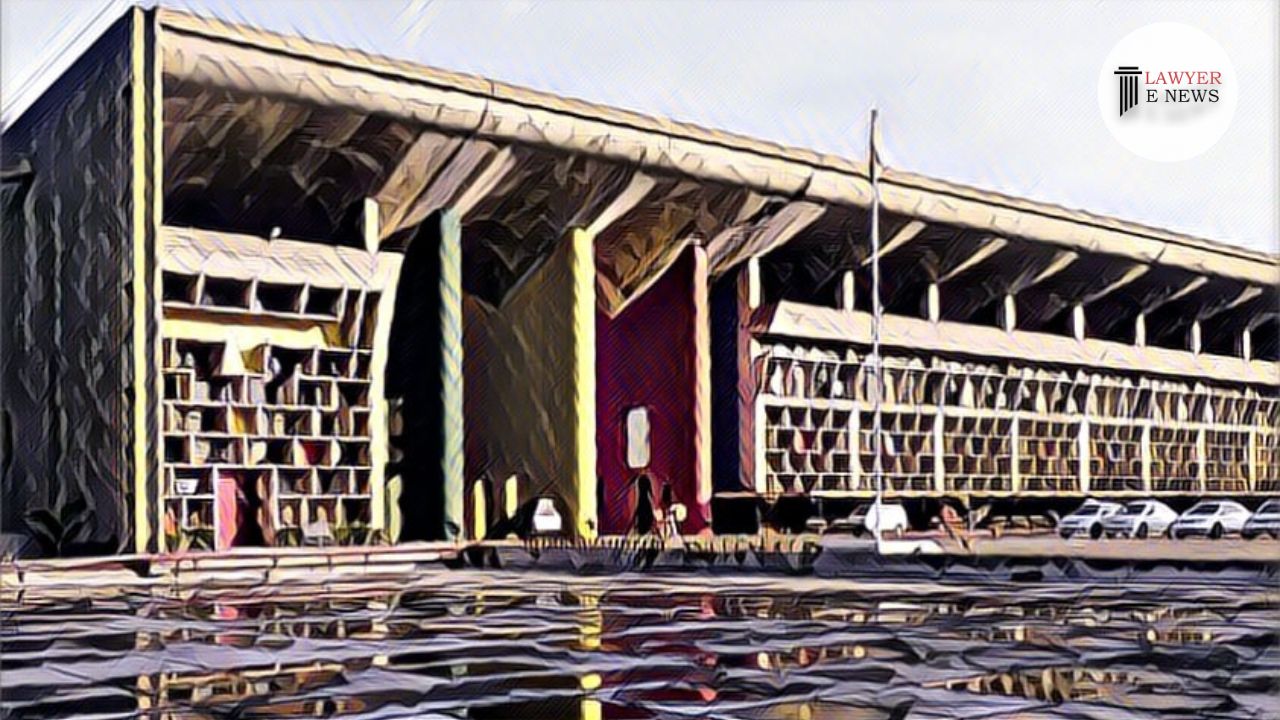
Chandigarh, May 17, 2023: In a significant judgment, the High Court of Punjab and Haryana dismissed a writ petition challenging the appointment of a petitioner as a Lecturer under the Self-Financing Scheme (SFS) based on an invalid Scheduled Castes (SC) certificate. The court ruled that the petitioner, who belongs to the Muslim community, was not entitled to the benefits of reservation as only individuals professing Hinduism or Sikhism can be recognized as Scheduled Castes.

Justice Jaishree Thakur, presiding over the case, held that the petitioner's SC certificate, obtained through clerical errors, was invalid. The court emphasized that the petitioner's religious affiliation was a crucial factor in determining eligibility for SC status. The judgment stated, "Notwithstanding anything contained in paragraph 2, no person who professes a religion different from the Hindu or the Sikh religion shall be deemed to be a member of a Scheduled Caste."

Rejecting the petitioner's argument that he was appointed under the general category, the court noted that the petitioner had explicitly mentioned his SC category in the application form and had been treated as an SC candidate throughout the selection process. Justice Thakur stated, "The petitioner, despite any possible procedural lapses, obtained the benefit of reservation under the SC category."

Regarding the petitioner's plea to consider his length of service, the court emphasized that the appointment based on an invalid SC certificate was void ab initio. Citing a Supreme Court judgment, the court ruled that the petitioner cannot retain the benefits of a wrongful appointment obtained through misrepresentation.

High court dismissed the writ petition, ordering the petitioner to vacate any government accommodation within two months. However, the court clarified that the salary and other emoluments already paid to the petitioner would not be recovered.

Date of Decision: May 17, 2023

Abid Ali    VS State of Haryana and others     

Latest Legal News