-
by sayum
21 October 2026 1:30 PM







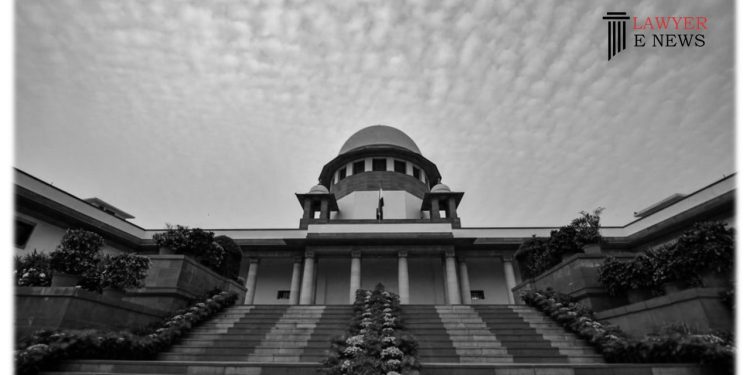
Supreme Court observed in the recent judgement (AJAY DABARA VS SUNDER SINGH & OTH. D.D 31 JAN.2023) that appellant seeks condonation of delay but failed to explain the delay satisfactorily. The only reason assigned was insufficient funds to pay the court fee, which was not deemed sufficient as the appellant was an affluent businessman.
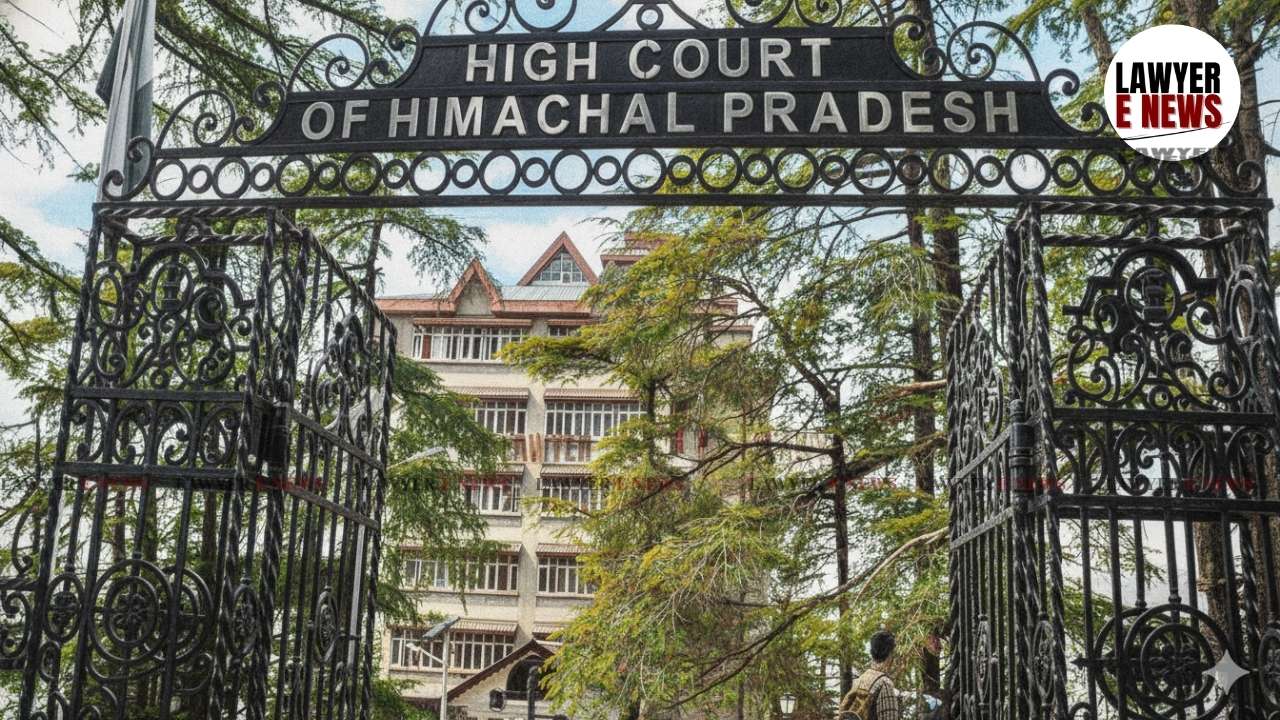
The plaintiff has filed two appeals to the court regarding the dismissal of his suit for specific performance of a contract between the defendant and a company called M/s Himalayan Ski Village Pvt. Ltd. for the sale of agricultural land in Himachal Pradesh. The suits were filed for two different plots of land and were both dismissed due to delay. The common challenge in the appeals is against an order by the High Court of Himachal Pradesh that dismissed the delay condonation applications under Section 5 of the Limitation Act, 1963. The order found that the reasons for condoning the delay of 254 days were not sufficient. The plaintiff argues that the delay should have been condoned and his appeal should have been heard on its merits.
Supreme Court observed that Appellant seeks condonation of delay but failed to explain the delay satisfactorily. The only reason assigned was insufficient funds to pay the court fee, which was not deemed sufficient as the appellant was an affluent businessman. The court fee can be paid within the time given by the court even if the appeal is deficient, as per Section 149 of the Civil Procedure Code, 1908. Section 149 of CPC acts as an exception or a proviso to Section 4 of the Court Fees Act, 1870.
Further observed that the provision of Section 4 of the Court Fees Act was deemed rigorous, leading to the insertion of Section 522-A in the old Code of Civil Procedure of 1882, which allows for a memorandum of appeal or application to be considered valid if presented within the proper period of limitation, even if it is insufficiently stamped due to a mistake by the appellant.
The case involved M/s. Himalayan Ski Village Pvt. Ltd. entering into an agreement to purchase agricultural land in Himachal Pradesh from an agriculturist/landowner. Under the Himachal Pradesh Tenancy and Land Reforms Act, 1972, only an agriculturist, defined as a landowner who personally cultivates their land, can purchase land in the state. A non-agriculturist can only purchase with the prior permission of the state government. M/s. Himalayan Ski Village was a private company, not an agriculturist, and therefore could not purchase the land. The defendant assigned their rights to the plaintiff, who later filed a suit for specific performance. The case was ultimately dismissed by the High Court due to insufficient grounds for condonation of delay in filing the appeal, and on merits. The assignment in the present case is invalid due to the lack of prior consent or approval from the seller. As a result, the plaintiff is not eligible for a decree of Specific Performance.
Section 118 of the 1972 Himachal Pradesh Tenancy and Land Reforms Act is designed to protect small-scale agriculturists. The transfer of land in Himachal Pradesh to a non-agriculturist is restricted and can only occur with the permission of the state government. In the present case, such permission was not granted. Assigning rights to an agriculturist for non-agricultural purposes would defeat the purpose of the act and be against its intended aim of protecting small agricultural holdings and preventing the conversion of agricultural land.
Appeals stand dismissed.
AJAY VS DARBARA CIVIL