-
by sayum
27 August 2026 3:32 PM







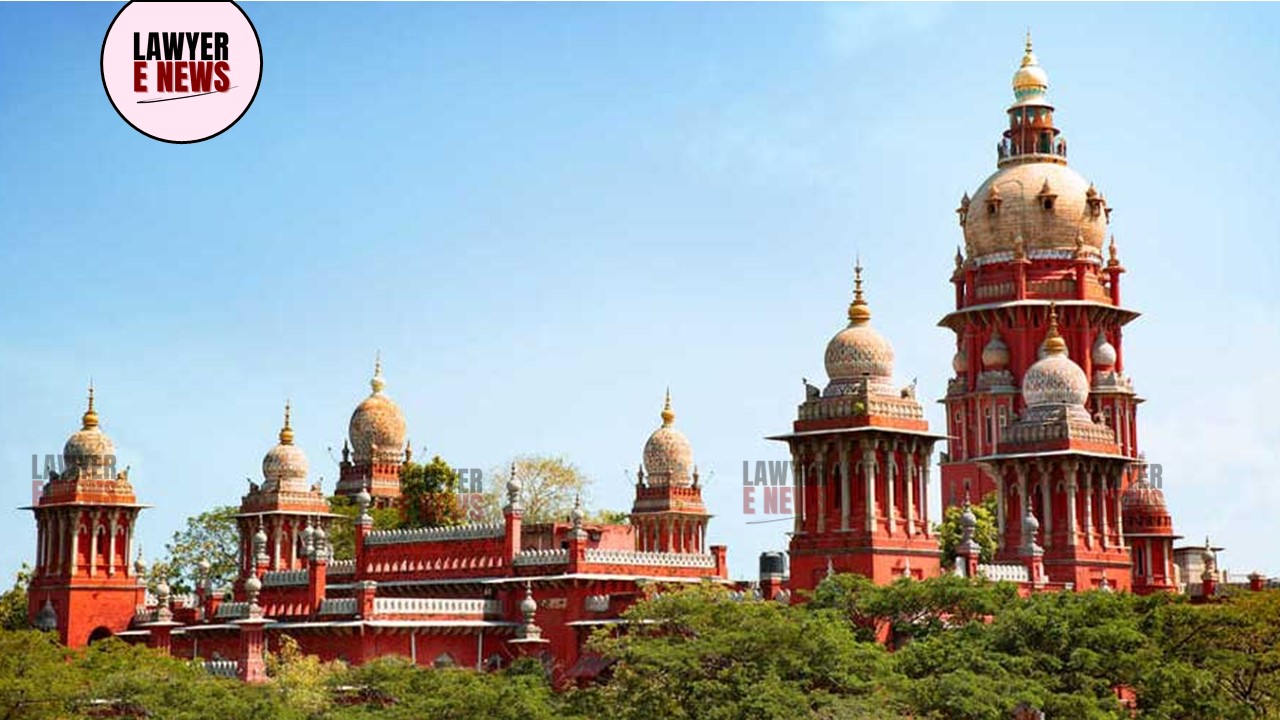
Madras High Court, in a significant order, directed the revenue authorities to issue a "No Caste No Religion" certificate to eminent actor and filmmaker Radhakrishnan Parthiban.
A single-judge bench of Justice M. Dhandapani observed that the petitioner, who does not hold any belief regarding religion or community, is entitled to such a certificate in light of existing judicial precedents. The court emphasized that the state must act upon such applications within a reasonable timeframe, especially when the petitioner's identity is founded on a secular and non-denominational belief system.
Petitioner Seeks Legal Recognition Of Secular Identity
The petitioner, Radhakrishnan Parthiban, approached the High Court seeking a Writ of Mandamus after his application for a "No Caste No Religion" certificate remained pending with the authorities. Parthiban, a well-known figure in the film industry, asserted that he does not subscribe to any religious or caste-based affiliations. He initially submitted his application on March 20, 2026, to the Tahsildar of Velachery, which was subsequently transferred to the Tahsildar of Sholinganallur on jurisdictional grounds, but no final decision was communicated to him.
Court Examines Obligation To Process Non-Affiliation Applications
The primary question before the court was whether a citizen is entitled to a formal declaration from the state affirming their choice to not belong to any caste or religion. The court was also called upon to determine if the revenue authorities were bound to dispose of such applications in a time-bound manner, particularly when the petitioner relied on prior Division Bench rulings of the same court.
Petitioner Relies On Division Bench Precedent
During the proceedings, the counsel for the petitioner argued that the issue was no longer res integra and had been settled by the judiciary. The petitioner placed heavy reliance on a Division Bench order dated June 10, 2025, in W.A. No. 401 of 2025, where the court had specifically directed the issuance of such certificates to individuals seeking to renounce caste and religious identities.
Legal Entitlement To Secular Status
The petitioner’s counsel further contended that in view of the earlier judicial pronouncements, the Tahsildar was duty-bound to issue the certificate. The court noted the submission that the petitioner, as an actor and filmmaker, consciously chooses not to hold any belief with regard to religion and community, and seeks legal documentation to reflect this personal conviction.
State Concedes To Issuance Based On Prior Examples
The Government Advocate, representing the State, did not oppose the core of the petitioner’s prayer. He informed the court that a similar certificate had already been issued by the Tahsildar of Tirupattur as far back as February 5, 2019. The State's counsel gave a categorical undertaking to the court that "an appropriate order would be passed in favour of the petitioner by the 3rd respondent on or before 29.04.2026."
High Court Mandates Compliance Within One Week
Taking note of the State’s undertaking and the prevailing legal position, the court issued a peremptory direction to the Tahsildar of Sholinganallur. The bench made it clear that the certificate must be issued in accordance with the standards set by the Division Bench in 2025. Justice Dhandapani underscored the necessity of honoring the petitioner's choice by setting a strict deadline for the administrative action.
"No Caste No Religion" Certificate Must Be Issued By April 29
In its final directions, the court ordered that the "No Caste No Religion" certificate be issued to the petitioner on or before April 29, 2026. To ensure the implementation of its order, the court listed the matter for reporting compliance on the same date. The ruling reinforces the individual's right to an identity free from traditional social stratifications and mandates the executive to facilitate such secular declarations.
The writ petition was disposed of with a clear mandate for the revenue authorities to recognize the petitioner’s non-religious status. By setting a specific deadline and requiring a compliance report, the High Court has ensured that the administrative delay in processing such sensitive identity-related applications is curtailed, upholding the spirit of personal liberty and secularism.
Date of Decision: 20 April 2026