-
by sayum
16 August 2026 4:33 AM







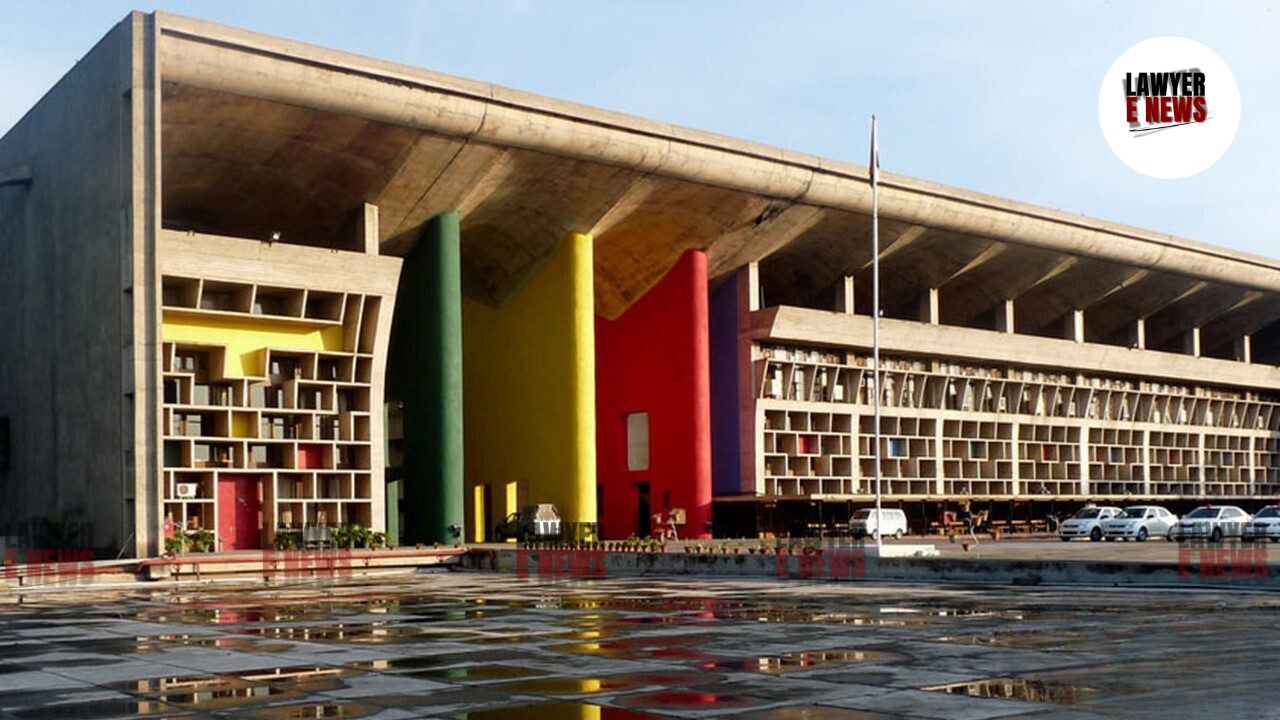
Punjab and Haryana High Court, through Justice Vikas Bahl, allowed a revision petition challenging the First Appellate Court's rejection of a delay condonation application. Petitioners Archana Saini and another had sought condonation for a delay in filing an appeal against a judgment and decree, citing medical grounds and inadequate communication from their previous counsel. The High Court condoned the delay and directed that the appeal be decided on its merits, emphasizing the importance of substantive justice over procedural technicalities.
The petitioners filed an appeal on July 3, 2023, against a judgment dated October 27, 2022. Alongside, they submitted an application under Section 5 of the Limitation Act, seeking condonation of the delay, explaining that petitioner No. 1 had faced medical complications following knee surgery. They also claimed that their previous counsel did not inform them of the judgment in time. The First Appellate Court dismissed the condonation application due to a lack of immediate medical evidence. This decision prompted the petitioners to seek revision under Article 227 of the Constitution.
The petitioners presented medical records to substantiate the delay due to petitioner No. 1’s knee surgery and post-operative complications, coupled with a lack of timely notification from their counsel.
Court’s Observation: The Court found the medical records legitimate and sufficient to explain the delay, observing that health challenges and a communication lapse were credible grounds. It emphasized that procedural technicalities should not prevent a case from being decided on its substantive merits.
Referring to the Supreme Court's ruling in Collector, Land Acquisition, Anantnag vs. Mst. Katiji, which advocates a liberal approach to delay condonation when substantial justice is at stake, the Court reiterated that minor delays should not obstruct justice.
“Endeavour should be made by all the Courts to decide the case on merits instead of technicalities.”
To address the inconvenience caused by the delay, the petitioners compensated the respondent with ₹50,000. They further committed to refraining from seeking adjournments in the appellate court to facilitate a timely decision on the appeal.
Court’s Directive: The Court noted the petitioners’ payment and undertaking as satisfactory measures, ordering the appeal to proceed expeditiously, with both parties required to assist in its prompt resolution.
On Procedural Technicalities: “Technicalities should not hinder substantive justice.”
On Delay Condonation Principles: “The Hon’ble Supreme Court in Collector, Land Acquisition, Anantnag vs. Mst. Katiji has emphasized a liberal approach to condonation of delay to promote substantive justice over procedural formalities.”
The High Court allowed the revision petition, set aside the First Appellate Court’s order dated September 10, 2024, and remanded the appeal for merits-based adjudication. Emphasizing efficiency, the Court directed the First Appellate Court to expedite the appeal and instructed counsel to avoid adjournments.
Date of Decision: November 7, 2024