-
by sayum
25 August 2026 11:12 PM







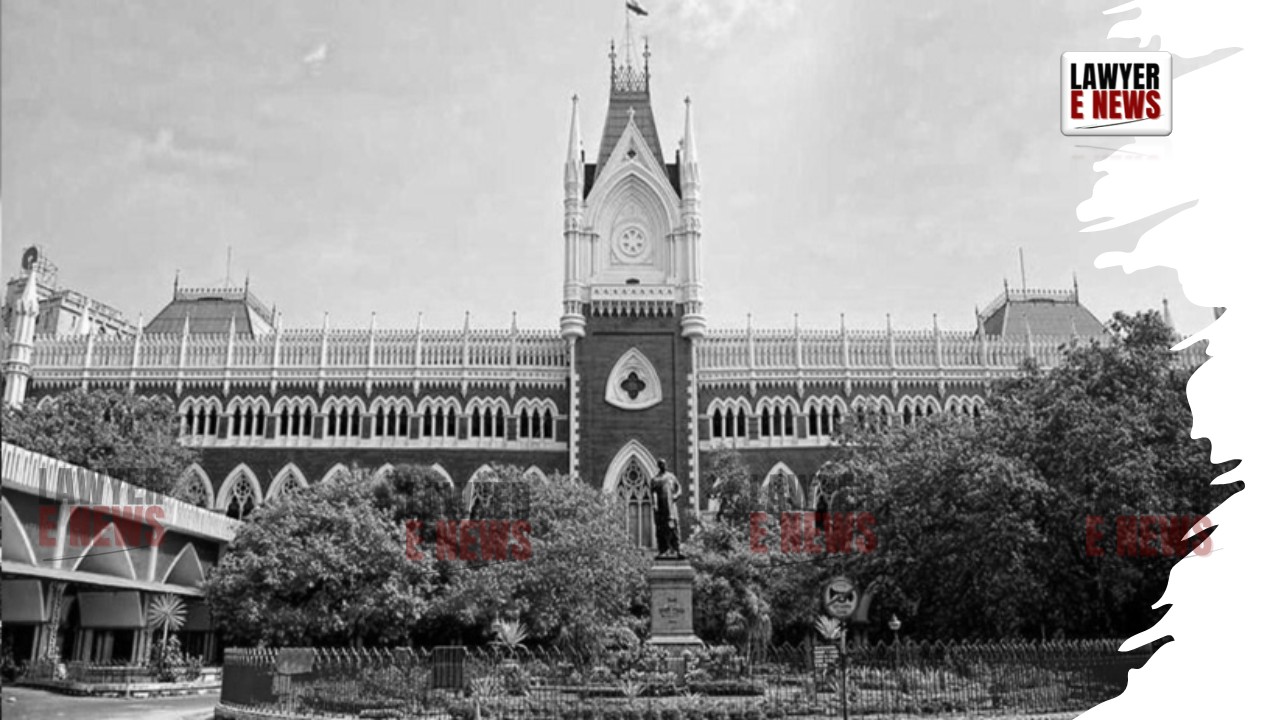
“Mere participation in auction and deposit of bid amount does not create a vested right unless the sale is confirmed and sale certificate is issued” – In a judgment of considerable import for banking and auction jurisprudence under the SARFAESI Act, the Calcutta High Court ruled that an auction purchaser has no enforceable right to compel confirmation of sale in the absence of a concluded sale and issuance of sale certificate, especially when borrowers exercise their statutory right of redemption under Section 13(8) of the SARFAESI Act, 2002, in a pre-2016 amendment context.
Justice Chaitali Chatterjee Das, exercising revisional jurisdiction under Article 227 of the Constitution, refused to interfere with the Debt Recovery Appellate Tribunal’s order dismissing the petitioner’s claim for confirmation of auction sale. However, recognising the petitioner’s legitimate grievance as a bona fide auction purchaser, the Court directed UCO Bank to refund the earnest money deposit of ₹17.5 lakhs along with 5% interest, thus partly allowing the revision.
“Borrower Retains Redemption Right Till Confirmation of Sale” – Section 13(8) in Pre-Amendment Form Prevails
The dispute turned on the interpretation of Section 13(8) of the SARFAESI Act, which, prior to the 2016 amendment, allowed a borrower to redeem a mortgaged property any time before the sale was confirmed. The High Court upheld this position, stating:
“In view of the order of the Tribunal dated 9.2.2010, the Bank was restrained from confirming the sale... Thus, the borrower’s right to redemption under Section 13(8) remained open and legally exercised.”
The Court rejected the auction purchaser’s claim of acquiring title or interest on merely being declared highest bidder and depositing the full bid amount. It held:
“Mere participation in auction and deposit of bid amount does not create any vested right in favour of auction purchaser unless sale is confirmed and sale certificate is issued.”
Importantly, no sale certificate had been issued in favour of the petitioner, and the Tribunal’s order had explicitly restrained confirmation of sale pending final hearing.
“Bank’s Acceptance of Settlement with Borrower Was Not Illegal” – Discretion Exercised Within Law
The borrower had failed to deposit ₹8 lakhs as initially directed by the DRT in February 2010. The bank proceeded with the auction where the petitioner became the highest bidder and paid ₹70 lakhs in total. However, before confirmation of sale, the borrower proposed a compromise settlement, which the bank accepted after DRT did not object to such settlement.
The Court held: “In absence of any statutory bar or restraint order prohibiting settlement, the bank’s decision to accept the compromise cannot be termed illegal or arbitrary.”
While observing that the bank could have exercised discretion in favour of the auction purchaser, the Court found no illegality in choosing the settlement route, especially when it resulted in higher recovery (₹95 lakhs) than the bid amount (₹70 lakhs).
“Auction Purchaser Not a Necessary Party Without Sale Confirmation”
The Court also upheld the DRT’s decision rejecting the petitioner’s application for impleadment, reiterating: “The auction purchaser is not a necessary party in SARFAESI proceedings where the sale is not confirmed and borrower’s redemption right subsists.”
Since the DRT had not passed any conclusive order confirming the sale, and the bank had not handed over possession, the petitioner remained an interested but not an indispensable party in the pending SARFAESI action.
“Refund Directed with Interest – Bank to Return ₹17.5 Lakhs Earnest Money”
While denying relief for confirmation or possession, the Court was sympathetic to the auction purchaser’s loss of opportunity and prolonged litigation. It acknowledged the petitioner’s bonafide participation and the bank’s retention of money despite non-confirmation. Consequently, it passed the following operative order:
“UCO Bank is directed to refund ₹17.5 lakhs along with 5% interest within two months, failing which interest shall increase to 8% per annum.”
The Bank had claimed that it returned the pay order and cheque in 2011, but the petitioner denied receiving the same. In light of conflicting claims, the Court refrained from adjudicating the factual dispute under Article 227 but emphasised that the amount must be returned to prevent unjust enrichment.
“Right of Redemption Must Be Exercised Before Sale is Concluded” – Judicial Analysis of Leading Precedents
Justice Chaitali Chatterjee Das conducted an extensive analysis of pre- and post-amendment jurisprudence under Section 13(8) and the Security Interest Rules, 2002, citing decisions such as:
K. Chidambara Manickam v. Shakeena (AIR 2008 Mad 108)
Surinder Pal Singh v. Vijaya Bank (C.A. No. 6843/2023)
Janak Raj v. Gurdial Singh (AIR 1967 SC 608)
M. Rajendran v. KPK Oils and Proteins India Pvt. Ltd., 2025 LiveLaw (SC) 931
The Court clarified: “Till the sale certificate is issued, the borrower’s right to redeem continues under the unamended SARFAESI framework.”
Quoting the Supreme Court in Mathew Varghese v. Amritha Kumari, it reiterated: “The borrower retains his full right to redeem the property by tendering all dues before the date fixed for sale.”
However, the amended Section 13(8) (post-2016) curtails this right, limiting redemption only till the date of publication of auction notice – a position not applicable in this case.
This judgment settles an important legal proposition – an auction sale under SARFAESI is not complete until confirmation and issuance of a sale certificate. A bidder, even after full payment, cannot enforce a claim of title if the bank, prior to confirmation, settles with the borrower exercising a statutory right of redemption.
At the same time, the High Court protected the financial interests of the auction purchaser by ordering refund with interest, recognising the procedural ambiguity and delay faced by him.
Date of Decision: 09.12.2025